
How to Set a 220V Voltage Protector Correctly
Wrong voltage protector settings can still expose appliances to dangerous fluctuations, causing shutdowns, overheating, or compressor damage. Correct voltage limits and delay settings provide safer, more reliable protection.
To set a 220V voltage protector correctly, choose appropriate high-voltage and low-voltage cutoff limits, set the restart delay according to the appliance type, and confirm the protector’s current and power rating. Typical settings may use a low-voltage limit around 170–190V, a high-voltage limit around 250–260V, and a longer delay for compressor appliances.
However, the best settings depend on the appliance, local electricity conditions, and the specifications of the voltage protection device.
What Does a 220V Voltage Protector Do?
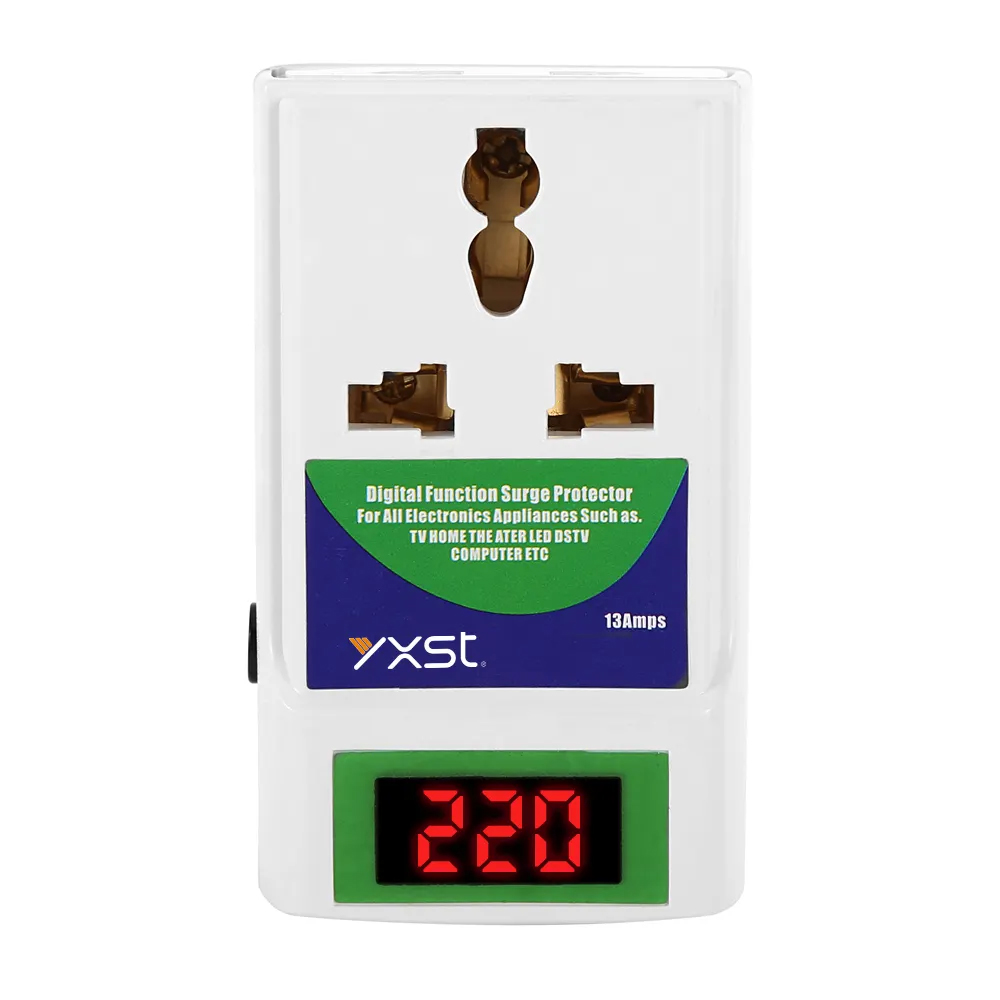
A 220V voltage protector monitors the incoming power supply before electricity reaches the connected appliance. When the voltage moves outside the programmed safe range, the protector automatically disconnects the load.
After voltage returns to an acceptable level, the device waits for the selected delay period before reconnecting the appliance.
This function is especially useful in markets where electricity supply frequently experiences:
-
High voltage
-
Low voltage
-
Sudden voltage fluctuations
-
Power interruptions
-
Rapid power restoration
-
Electrical surges
Voltage protectors are commonly used with refrigerators, freezers, televisions, washing machines, computers, water pumps, and air conditioners.
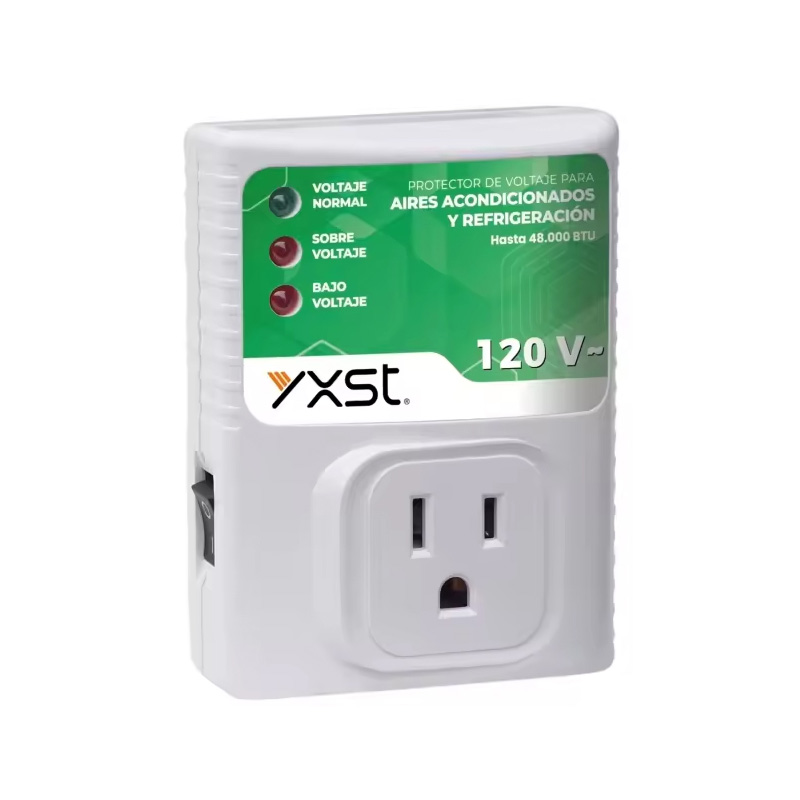
Wenzhou Yixing Electronic Technology Co., Ltd. manufactures voltage protection devices with functions including automatic high- and low-voltage cutoff, delay restart protection, LED indication, and real-time voltage detection. Different plug standards and voltage specifications can also be customized for different export markets.
Step 1: Confirm the Appliance Voltage
Before changing any protector setting, check the appliance nameplate.
For an appliance designed for approximately 220V operation, the voltage protector should allow normal operating voltage while disconnecting the load when voltage becomes dangerously high or low.
Do not simply select the widest possible voltage range.
If the protection range is too wide, the appliance may continue operating under conditions that could cause overheating, poor performance, excessive current, or component stress.
If the protection range is too narrow, the protector may disconnect too frequently even when the electricity supply remains reasonably usable.
The objective is therefore to balance protection with practical operation.
Step 2: Set the Low-Voltage Cutoff
The low-voltage setting determines when the protector disconnects the appliance because the incoming voltage has fallen too far.
For many 220V applications, approximately 170V to 190V can be considered a practical starting range. The correct value should ultimately follow the appliance requirements and the voltage protector specifications.
For example, if the low-voltage cutoff is set to 180V, the protector disconnects the appliance when the detected voltage falls below the programmed threshold.
This is particularly important for compressor-based appliances.
Air conditioners, refrigerators, and freezers contain motors or compressors that may experience increased electrical stress when operating under unsuitable voltage conditions. Preventing prolonged operation at excessively low voltage can therefore improve appliance protection.
Step 3: Set the High-Voltage Cutoff
The high-voltage limit controls when the protector disconnects power because the incoming voltage becomes excessively high.
For many 220V applications, a setting around 250V to 260V may be used as an initial reference, depending on the equipment and local electricity conditions.
A lower cutoff provides more conservative protection but may cause more frequent interruptions in areas where grid voltage regularly rises.
A higher cutoff reduces unnecessary disconnections but must remain within the safe operating requirements of the connected appliance.
Importers and distributors should therefore consider the electricity conditions of their target market when specifying protector settings.
Markets with unstable grids may require different factory settings from markets with relatively stable power supplies.
Step 4: Set the Restart Delay
The restart delay is one of the most important voltage protector settings.
After abnormal voltage occurs, the protector should not necessarily reconnect the appliance immediately when voltage returns to normal.
For televisions, computers, and many non-compressor appliances, a relatively short delay may be sufficient.
For refrigerators, freezers, and air conditioners, a longer delay is generally preferred. A delay of approximately three minutes is commonly used as a practical reference because compressor equipment should not repeatedly restart immediately after power interruption.
The delay allows the electrical system and appliance to stabilize before power is restored.
Yixing voltage protectors and air-conditioner protectors can incorporate delay restart protection specifically for this purpose.
Step 5: Check the Current and Power Rating
Correct voltage settings alone are not enough.
The protector must also have sufficient current and power capacity for the connected appliance.
A protector intended for a television should not automatically be assumed suitable for a large air conditioner.
High-power appliances require appropriately rated relays and internal components. Yixing’s air-conditioner voltage protector category, for example, includes high-power models designed around specifications such as 30A and 3600W, depending on the model and voltage version.
Always compare:
-
Appliance rated voltage
-
Appliance operating current
-
Maximum power consumption
-
Starting current characteristics
-
Protector current rating
-
Protector maximum load
Leaving an appropriate safety margin is preferable to continuously operating a protector near its maximum rating.
Step 6: Test the Protector Before Regular Use
After completing the settings, observe the protector during operation.
Check whether the display indicates normal input voltage, whether the appliance receives power after the delay period, and whether the protector disconnects correctly when voltage moves outside the configured range.
Also confirm that plugs, sockets, terminals, and cables do not become abnormally hot during operation.
For distributors and wholesalers, product consistency is equally important.
Yixing integrates SMT mounting, reflow soldering, wave soldering, injection molding, assembly, and quality-control processes within its manufacturing operation. Products are tested through the production process to support stable performance for international buyers.
Recommended 220V Protector Settings at a Glance
| Setting | Typical Starting Point | Main Purpose |
|---|---|---|
| Nominal voltage | 220V | Match appliance supply |
| Low-voltage cutoff | 170–190V | Prevent excessive undervoltage |
| High-voltage cutoff | 250–260V | Prevent excessive overvoltage |
| Electronics delay | Short delay | Restore power after stabilization |
| Refrigerator/freezer delay | About 180 seconds | Protect compressor restart |
| Air-conditioner delay | About 180 seconds | Reduce compressor restart stress |
These figures are general starting references rather than universal settings. Appliance specifications and the voltage protector manufacturer’s instructions should always take priority.
Choosing a 220V Voltage Protector for Your Market
For importers, wholesalers, and electrical distributors, correct product configuration should match local customer requirements.
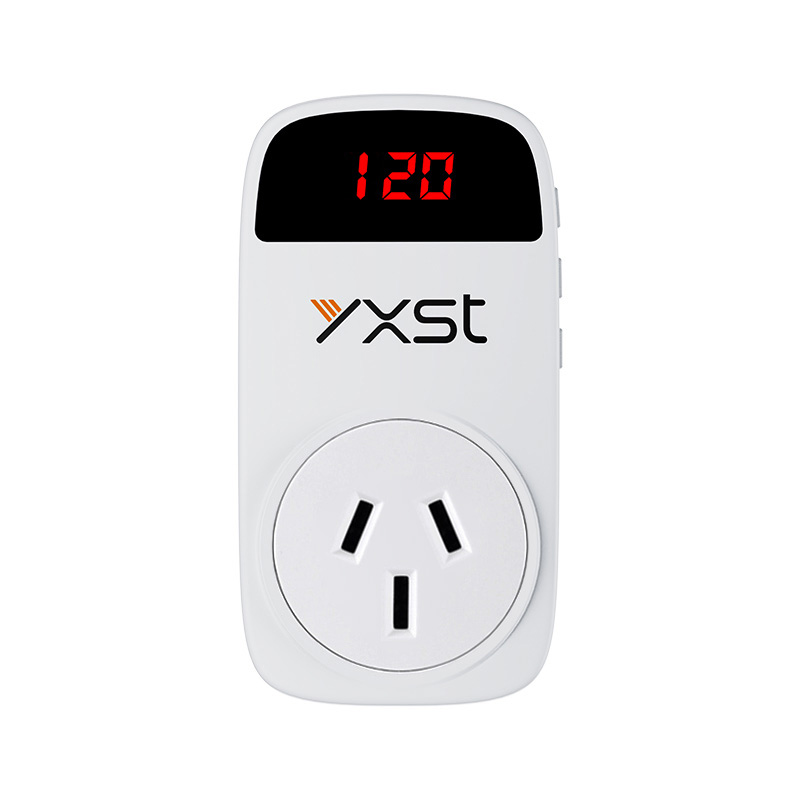
Different markets may require UK, EU, US, or AR plug systems, different voltage thresholds, packaging, shell designs, and protection functions.
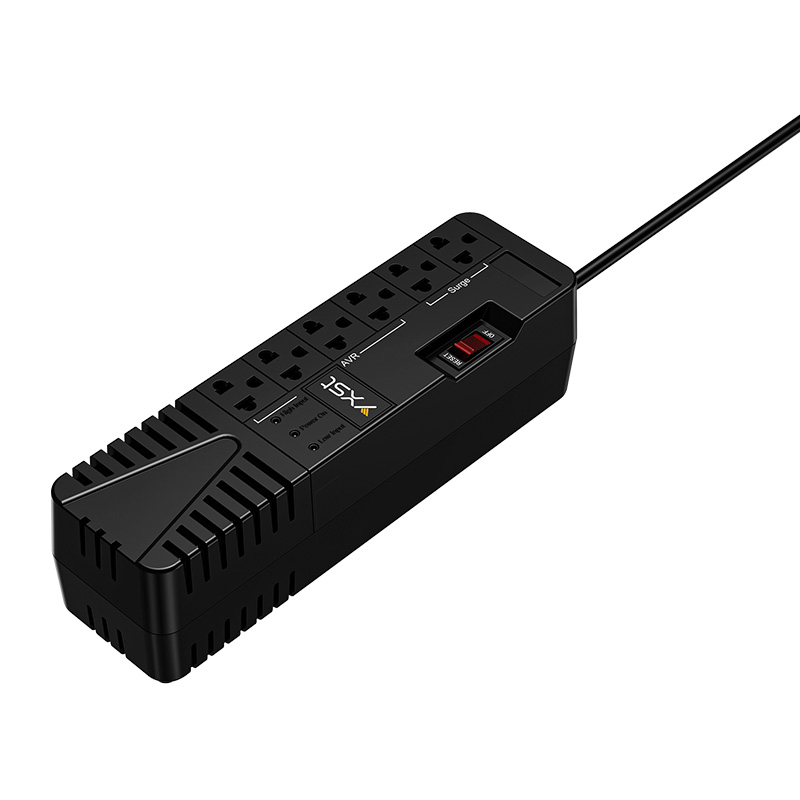
Wenzhou Yixing Electronic Technology Co., Ltd. supports OEM and ODM customization covering plug types, voltage ratings, product appearance, packaging, and functions. The company also manufactures voltage protectors, surge protectors, air-conditioner protectors, and automatic voltage regulators for international markets.
Choosing the right configuration before mass production can reduce customer complaints and make the product more suitable for local electricity conditions.
A correctly configured 220V voltage protector combines suitable voltage limits, proper delay time, adequate load capacity, and reliable manufacturing quality.
 English
  Español
  Deutsch
  Français
  Italiano
  Português