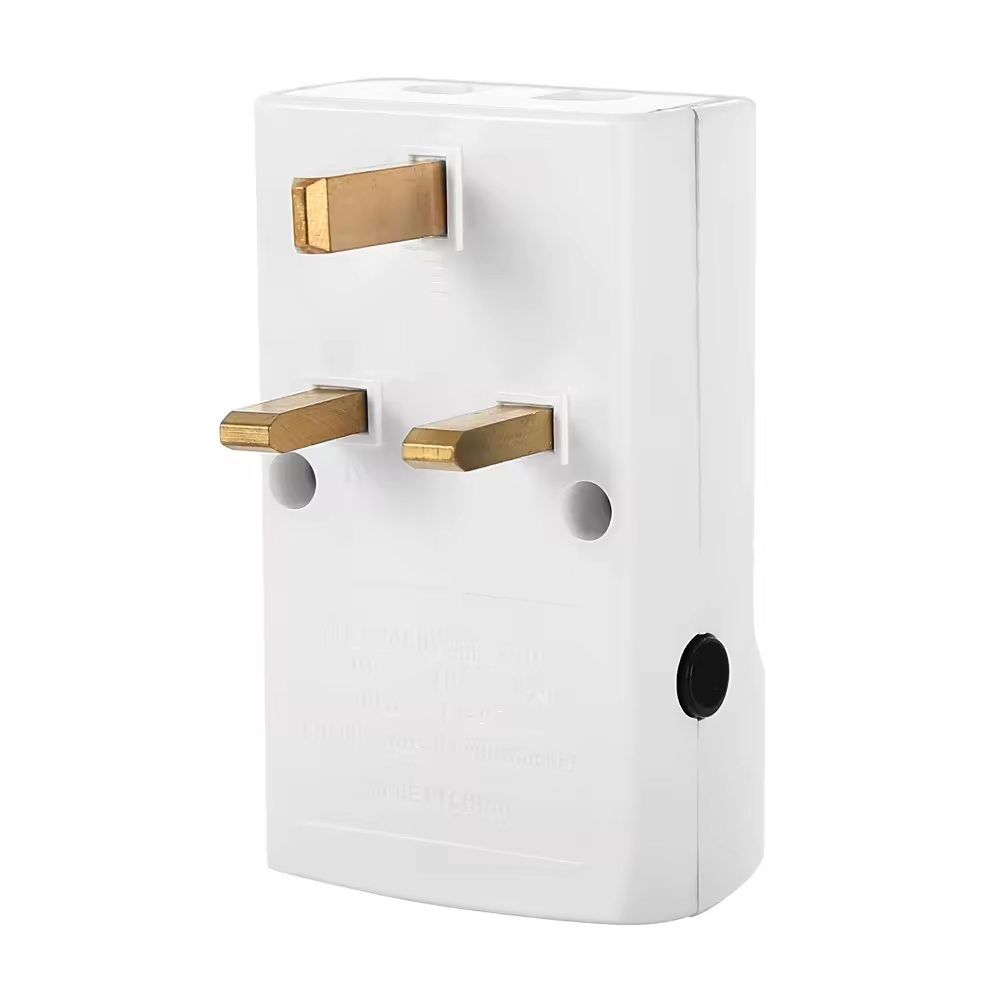
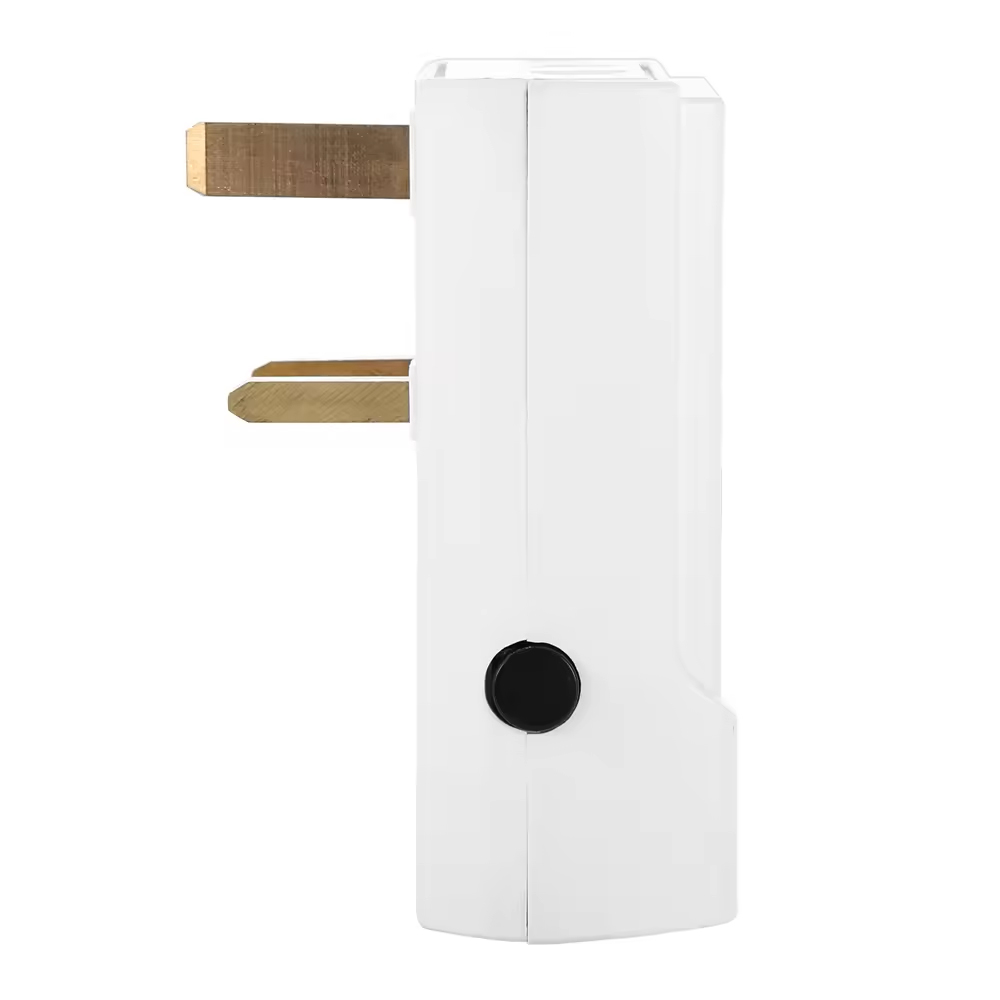
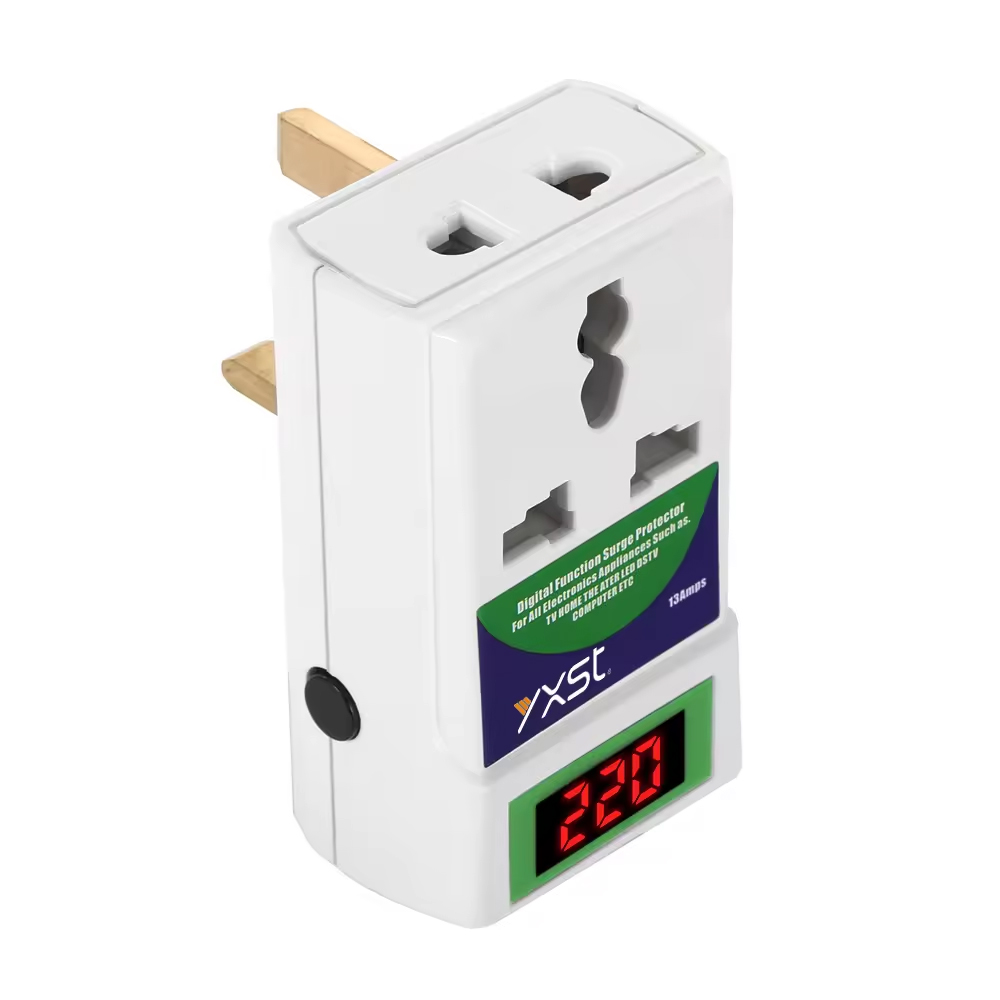
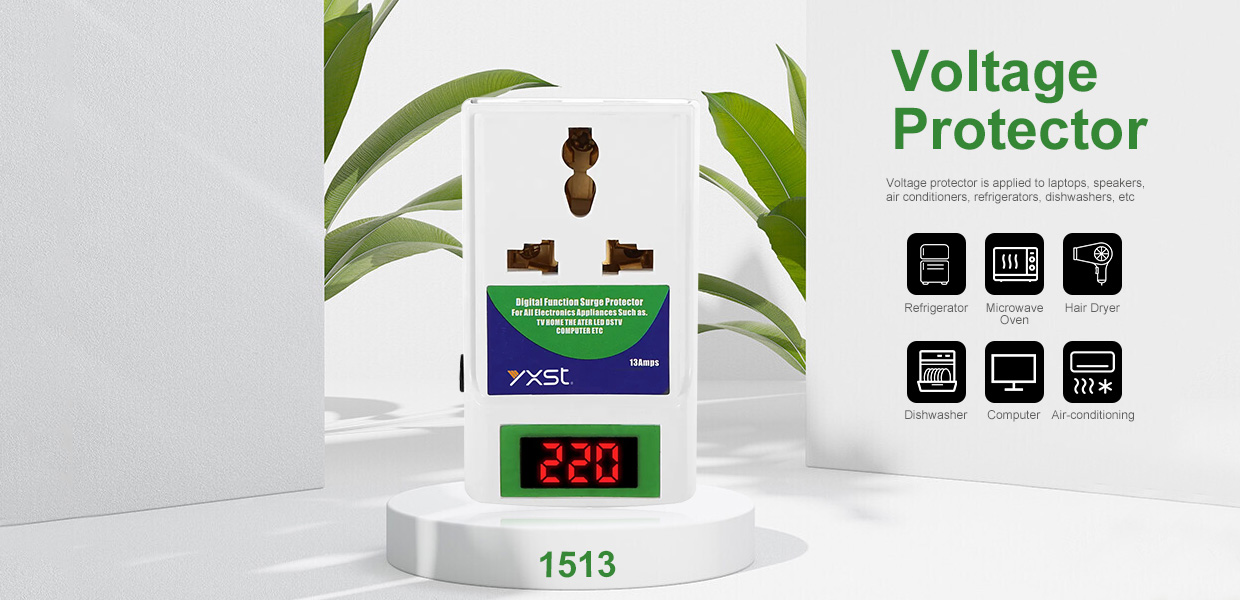
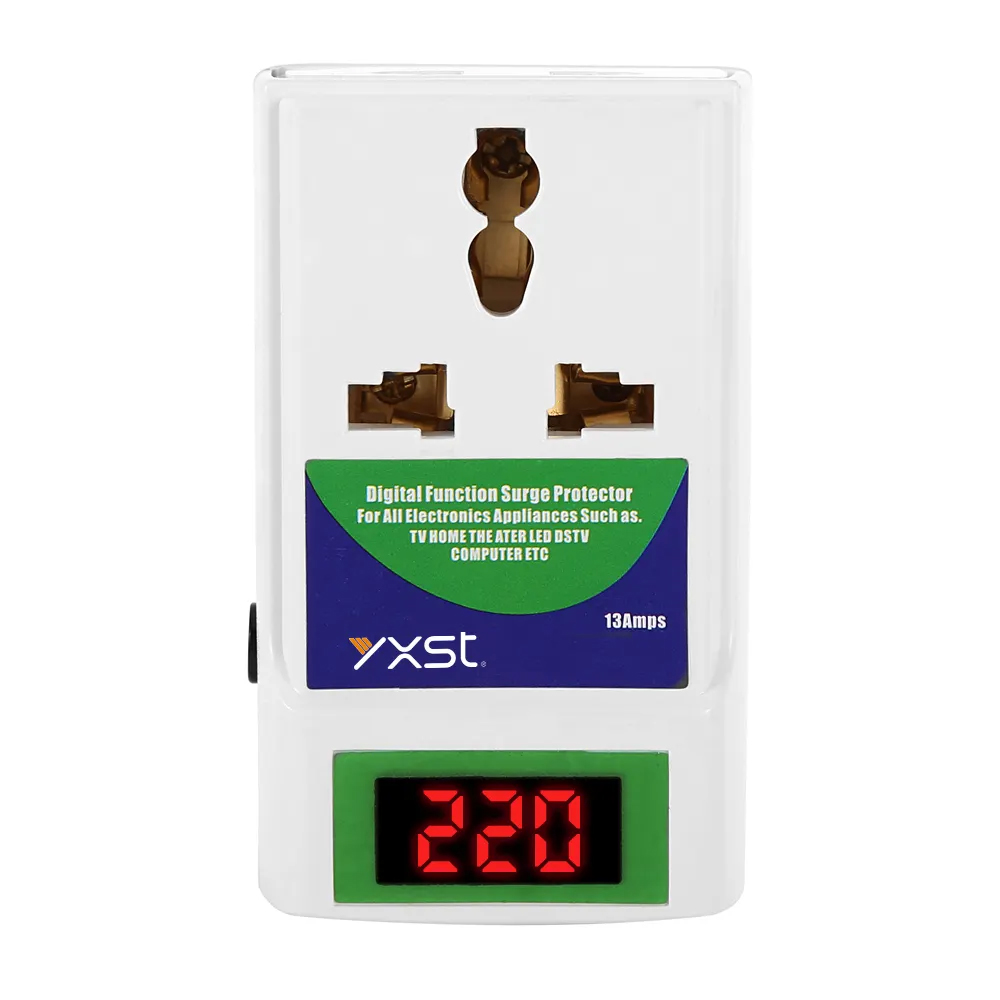
Item No: 1513

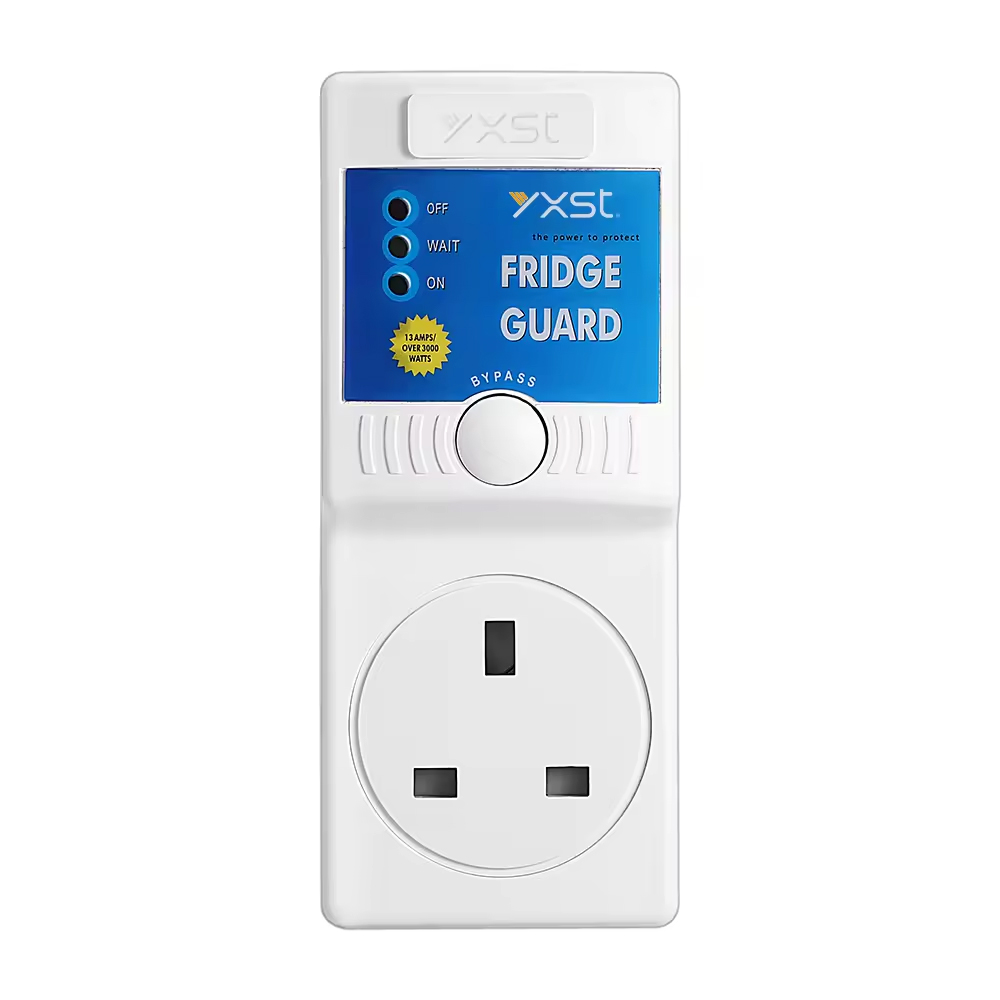
AVS13 Power Voltage Protector


Share:

AVS13 Power Voltage Protector 1513 basic principle

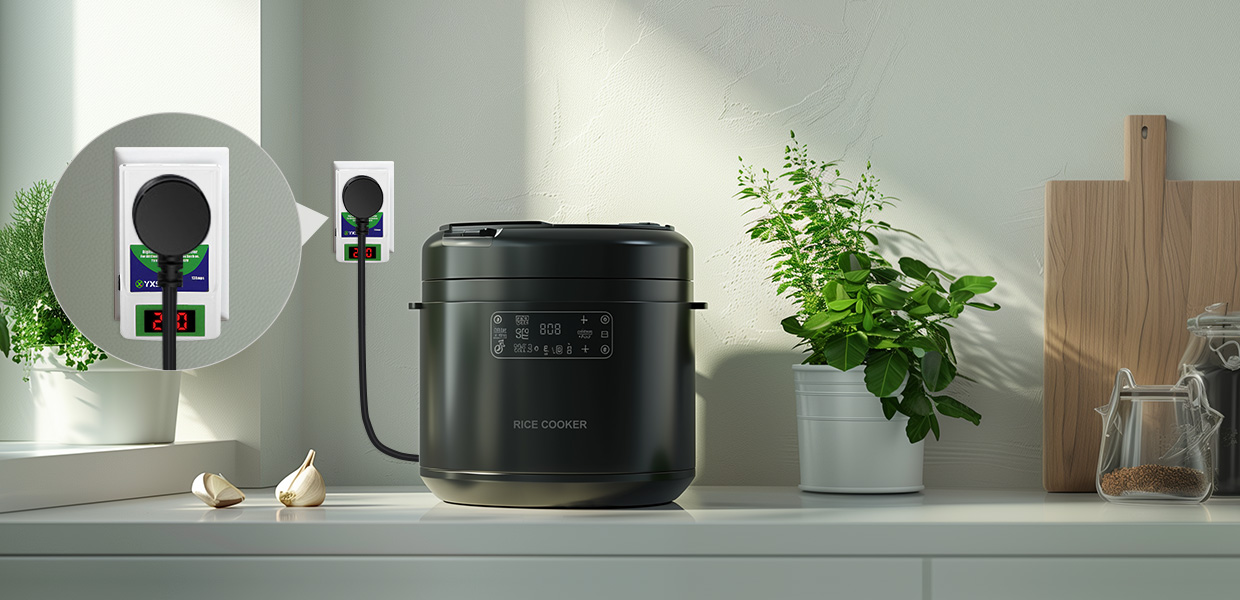
The working principle of the overvoltage and undervoltage protector is to detect the voltage change in the circuit. When the voltage exceeds the specified range, the protector automatically cuts off the circuit to protect the equipment.


AVS13 Power Voltage Protector Parameter

Operating Voltage 220V AC
Operating Frequency 50 Hz-60 Hz
Under Voltage Cut-off 165V AC
Over Voltage Cut-off 255V AC
Delay Time 210s+Bypass
Output Capacity 13A,2860W
Packing Double Blister
Warranty 1 Year
When the voltage exceeds the specified range, the overvoltage and undervoltage protector will automatically cut off the circuit to avoid damage to the appliance. When the voltage returns to the normal working range, the protector will automatically restore power supply to enable the equipment to work normally.

1513 Power Protector Plug With Digital Display AVS13 Installation Precautions

1. When installing, select the appropriate protector model and rated voltage according to the requirements of the electrical equipment;
2. The protector should be installed at the power inlet of the electrical equipment to cut off the circuit in time;
3. The circuit of the protector should be fixed and reliable to avoid loosening due to vibration;
4. Check whether the installed protector is sensitive and reliable to ensure normal operation.

Single Phase Power Voltage Protector 1513

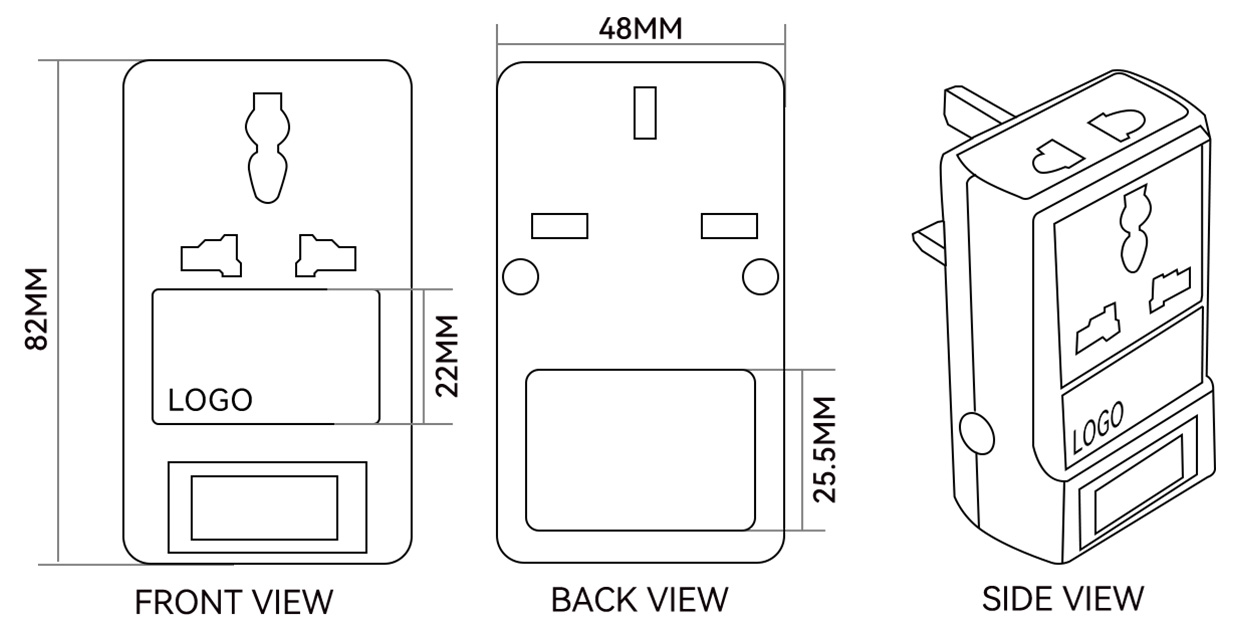
Dimension

1513 Dimension Single Phase Voltage Protector Electronic Power AVS13

Single Phase Power Voltage Protector Manual

Product Name Product Stats Size Download
AVS13 Power Voltage Protector PDF 1.27 MB PDF Icon

Packaging

Package info Carton Q’TY G.W SINGLE PACK
45*33*38CM 100PCS 11.5KGS BLISTER

Learn more about Single Phase Power Voltage Protector

Do voltage protector outlets work?

Yes, voltage protection sockets can effectively prevent abnormal voltage from damaging equipment. This type of socket monitors the voltage in real-time through a built-in overvoltage protection device (such as a Zener diode, thyristor, etc.). When the voltage is detected to exceed the safety threshold (such as 255V), it will automatically cut off the power supply or limit the voltage output to protect the connected appliances.

Working principle:

When the voltage exceeds the preset value, the protection circuit cuts off the power supply.

Applicable scenarios:

Applicable to areas where the grid voltage fluctuates frequently, or precision equipment that is sensitive to voltage (such as computers, electric kettles, TVs, electric heaters, coffee machines, laptops, electric stoves and induction cookers, dryers, audio equipment, etc.)

What should you never plug into voltage protector?

It is not recommended to connect devices with current greater than 13A to voltage protection sockets for the following reasons:
Exceeding load capacity: The current carrying capacity of voltage protection sockets is limited, and high-power devices may cause overload, resulting in damage or failure of the protector.

Starting current shock: The instantaneous starting current of motor equipment (such as refrigerator compressors) may trigger the malfunction of the protector, affecting normal use.

Special equipment requirements: Industrial equipment or equipment that requires stable high current (such as welding machines) should use dedicated circuits instead of ordinary voltage protection sockets.

What is the difference between a surge protector and a voltage protector?

Features Surge Protector Voltage Protector
Main functions Protection against instantaneous high voltage (such as lightning strikes, power grid surges) Deal with continuous overvoltage or undervoltage (such as power grid fluctuations)
Response time Nanosecond response (for transient pulses) Millisecond to second response (for continuous voltage anomalies)
Core components Variator (MOV), gas discharge tube Voltage comparator, relay, SCR, etc.
Protection range Short-term surge (microsecond level) Long-term voltage anomalies (such as continuous high or low voltage)
Typical applications Lightning protection, electromagnetic interference suppression Stabilize household or industrial electricity and protect equipment from overvoltage/undervoltage damage
Reference standards EN61643-11 (international standard for surge protectors) No unified standard, some are integrated in sockets (such as safety sockets)

Summary: Surge protectors are for instantaneous high voltage pulses, while voltage protectors are for continuous voltage anomalies. The two can be used complementary

Contact Us

Unwavering in our dedication to customers and delivering cutting-edge innovations, Yixing stands as your steadfast ally on the journey ahead.

en_USEnglish