
What Problem Does a Voltage Protector Solve?
Unstable electricity is a hidden threat that silently damages appliances, disrupts production, and increases maintenance costs. When voltage spikes or drops occur, the consequences can be severe: burnt circuit boards, short equipment lifespan, data loss, and even electrical fires. These failures cause financial losses for homes, factories, and businesses. The solution lies in using a reliable Voltage Protector, a device designed to automatically cut off abnormal voltage and restore power only when it becomes safe. Understanding how voltage protection works helps you choose the right device to prevent unexpected electrical damage.
What Is a Voltage Protector?
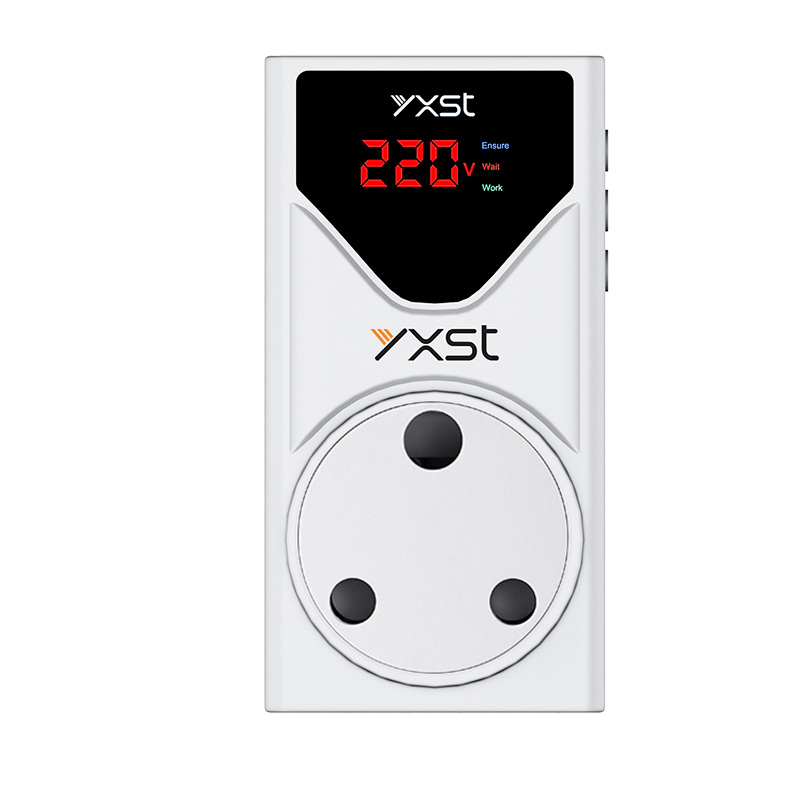
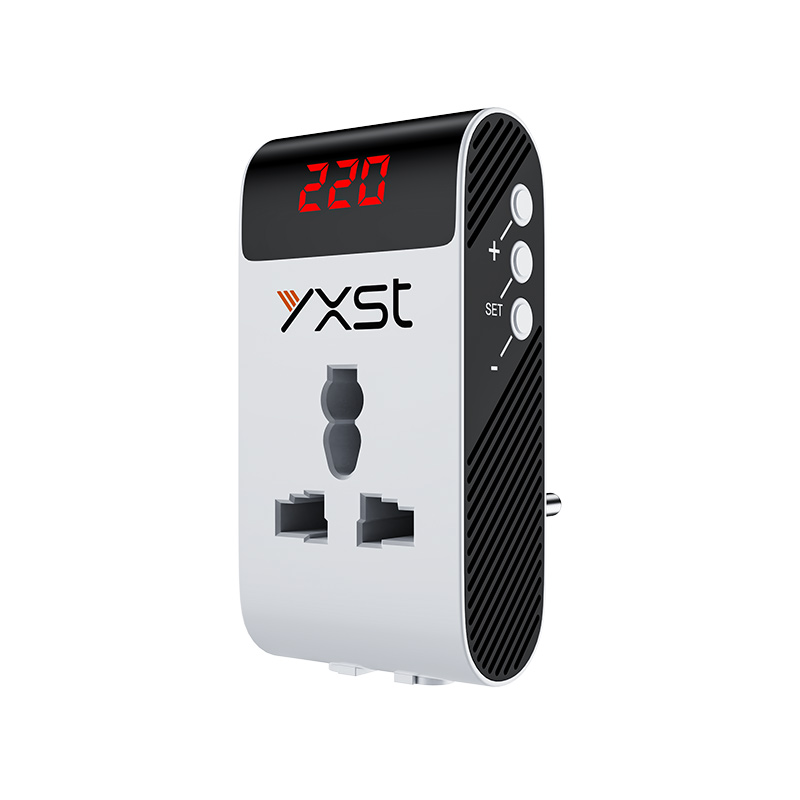
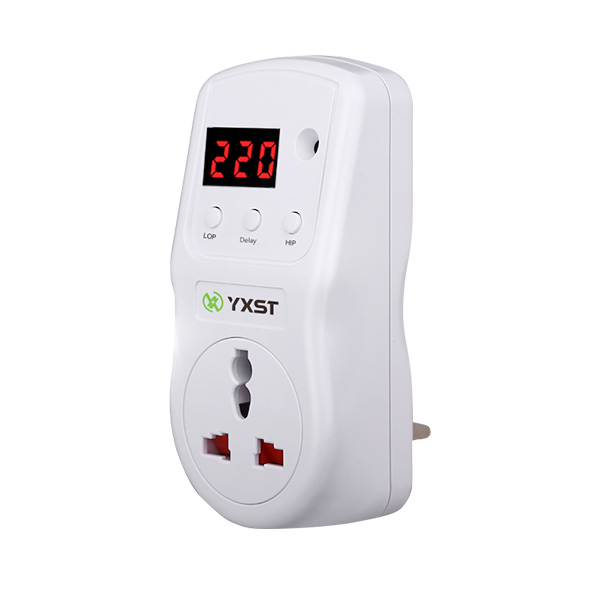
A voltage protector is an automatic electronic device designed to safeguard electrical appliances from harmful voltage fluctuations. It continuously monitors incoming power and disconnects equipment when voltage rises above or drops below a safe threshold. Once normal voltage is restored, the protector automatically reconnects power after a safety delay. Voltage protectors prevent overheating, component burnout, electrical fires, and operational failures caused by unstable electricity. They are widely used in homes, offices, industrial sites, and commercial buildings to ensure safe and stable electrical operation.
Understanding voltage protectors requires exploring their functions, internal working principles, applications, and how to choose the right model.
What Does a Voltage Protector Do?
A Voltage Protector performs multiple critical functions that ensure the safety and longevity of electrical equipment. Its primary job is to shield appliances from voltage instability, which is common in regions with weak electrical infrastructure, heavy industrial loads, or frequent storms. Voltage fluctuations—especially high-voltage surges—can instantly destroy sensitive electronics such as refrigerators, air conditioners, pumps, CNC machinery, and computers.
A voltage protector monitors the incoming electricity in real time. When voltage goes beyond the safe working range (too high or too low), the device instantly disconnects the power. This prevents overheating, coil burnout, PCB failure, insulation damage, and other costly consequences.
Another important function is automatic restoration. Once voltage returns to normal, the protector reconnects the load after a timed delay—often 5 to 30 seconds. This delay is essential for equipment with compressors or motors, preventing frequent restarts that can damage internal components.
Many modern voltage protectors, including those produced by Wenzhou Yixing Electronic Technology Co., Ltd., include additional features such as overload protection, surge suppression, overcurrent cutoff, and digital real-time voltage display. Some advanced models combine voltage protection with automatic voltage regulation (AVR), offering both stabilization and safety cutoff in one unit.
In summary, a voltage protector acts as a first line of defense between unstable grid power and valuable electrical equipment. It protects devices, reduces maintenance costs, and ensures long-term stable operation.
How Do Voltage Protectors Work?
Voltage protectors operate through a combination of real-time monitoring, intelligent control circuitry, and automatic switching components. At the core of most protectors is a microcontroller or sensing circuit that continuously detects the incoming AC voltage. This circuit compares the measured voltage with preset safe ranges. If the voltage deviates beyond limits—such as dropping below 170V or rising above 260V—the internal logic triggers an immediate disconnection.
The cutoff is typically achieved using an electromagnetic relay or solid-state relay (SSR). Mechanical relays provide strong switching capacity, making them suitable for high-power appliances like refrigerators or industrial pumps. SSRs offer silent, fast, and durable switching for sensitive electronics and digital equipment.
The delay-timer mechanism is another vital part of a voltage protector’s operation. When abnormal voltage is detected, the device disconnects instantly. But when electricity returns to normal, a time-delay counter ensures that the equipment restarts only after a safe interval. This protects motors, compressors, and induction loads from rapid on-off cycling that can cause irreversible damage.
Advanced protectors, such as Yixing’s digital voltage protection series, include microprocessor-controlled measurement circuits that offer precise voltage detection, surge suppression components, and real-time LED or LCD displays. These models may also include overcurrent protection, overheating detection, or short-circuit isolation for enhanced safety.
Overall, the working principle of a voltage protector is built on detecting abnormal voltage, interrupting power, waiting for stabilization, and restoring electricity safely—a continuous cycle that protects equipment 24/7.
The Importance of Voltage Protectors
Voltage protectors play an essential role in both residential and industrial electrical systems. In many developing regions, voltage instability is common due to overloaded grids, aging power infrastructure, or extreme weather conditions. Sudden spikes during lightning storms, drops caused by heavy machinery startup, or brownouts during peak hours can cause catastrophic electrical failures.
Without a voltage protector, expensive appliances and equipment are exposed to unpredictable electrical stress. Motors may overheat, circuit boards may burn, compressors may lock, and sensitive electronics may fail unexpectedly. These damages lead not only to repair expenses but also to production downtime, safety risks, and operational disruption.
For households, voltage protectors safeguard essential appliances like refrigerators, televisions, and air conditioners—reducing long-term maintenance costs. For businesses and factories, voltage protection helps maintain stable operation of precision equipment, CNC machines, laboratory instruments, and server systems. Electrical disturbances can also affect IoT devices, security cameras, and communication systems, making protection even more valuable.
Companies such as Wenzhou Yixing Electronic Technology Co., Ltd. have spent more than a decade developing reliable voltage protection devices to help solve these global issues. Their products ensure stable operation, reduce equipment failures, and extend the lifecycle of appliances across commercial, industrial, and residential sectors.
In short, voltage protectors are not optional accessories—they are essential tools for maintaining electrical safety, economic efficiency, and reliable power usage.
Application of Voltage Protection Devices
Voltage protection devices are used in a wide variety of applications across different industries.
Residential Applications
-
Refrigerators
-
Freezers
-
Washing machines
-
Televisions
-
Air conditioners
-
Home electronics and appliances
Commercial Applications
-
Restaurants and supermarkets
-
Retail stores
-
Office buildings
-
Cold storage facilities
-
POS systems and IT equipment
Industrial Applications
-
CNC machines
-
Motors and pumps
-
PLC controllers
-
Automation systems
-
Welding equipment
-
Industrial refrigeration
Voltage protection is also essential for telecom stations, laboratories, medical devices, agricultural irrigation systems, and solar/off-grid energy systems.
Manufacturers like Wenzhou Yixing Electronic Technology Co., Ltd. provide various protector types—plug-in, relay-type, industrial-grade, panel-mounted, and AVR-integrated models—to meet diverse operational needs.
Choose the Right Voltage Protector
Choosing the right voltage protector requires evaluating several factors:
1. Load Capacity
Select a protector that matches or exceeds the equipment’s wattage or current requirements.
2. Voltage Range
Different countries use 110V, 220V, or dual-voltage systems.
Motor-based appliances require protectors with longer delay times.
3. Additional Features
-
Digital voltage display
-
Overload and overcurrent protection
-
Surge suppression
-
Automatic voltage regulation (AVR)
-
Temperature resistance
-
Industrial-grade relays
4. Manufacturer Reliability
With over 10 years of experience, Wenzhou Yixing Electronic Technology Co., Ltd. produces high-quality voltage protectors, AVRs, electronic circuit breakers, digital meters, rechargeable emergency lamps, switches, and sockets trusted worldwide.
5. Installation Type
-
Plug-in protectors → Home use
-
Wall-mounted protectors → Commercial use
-
Panel-mounted protectors → Industrial systems
Selecting the right voltage protector ensures safety, reduces equipment failures, and prolongs operational lifespan.
Conclusion
A voltage protector is an essential device that prevents electrical damage, reduces maintenance costs, and ensures stable equipment operation. By understanding its functions, applications, and selection criteria, users can choose the right model—especially from trusted manufacturers like Wenzhou Yixing Electronic Technology—to ensure long-term electrical safety.

 English
  Español
  Deutsch
  Français
  Italiano
  Português