
What Does a Voltage Protector Do? Functions & Benefits
Unstable voltage can destroy appliances, increase repair costs, and trigger customer complaints. A voltage protector disconnects dangerous power before permanent damage occurs.
A voltage protector continuously monitors incoming electricity and automatically cuts power when voltage becomes too high or too low. After the supply returns to a safe level, it reconnects the appliance, often after a protective delay. This helps safeguard compressors, motors, circuit boards, and other sensitive electrical components.
Understanding its functions helps buyers choose suitable protection products for different appliances and markets.
What Is a Voltage Protector?
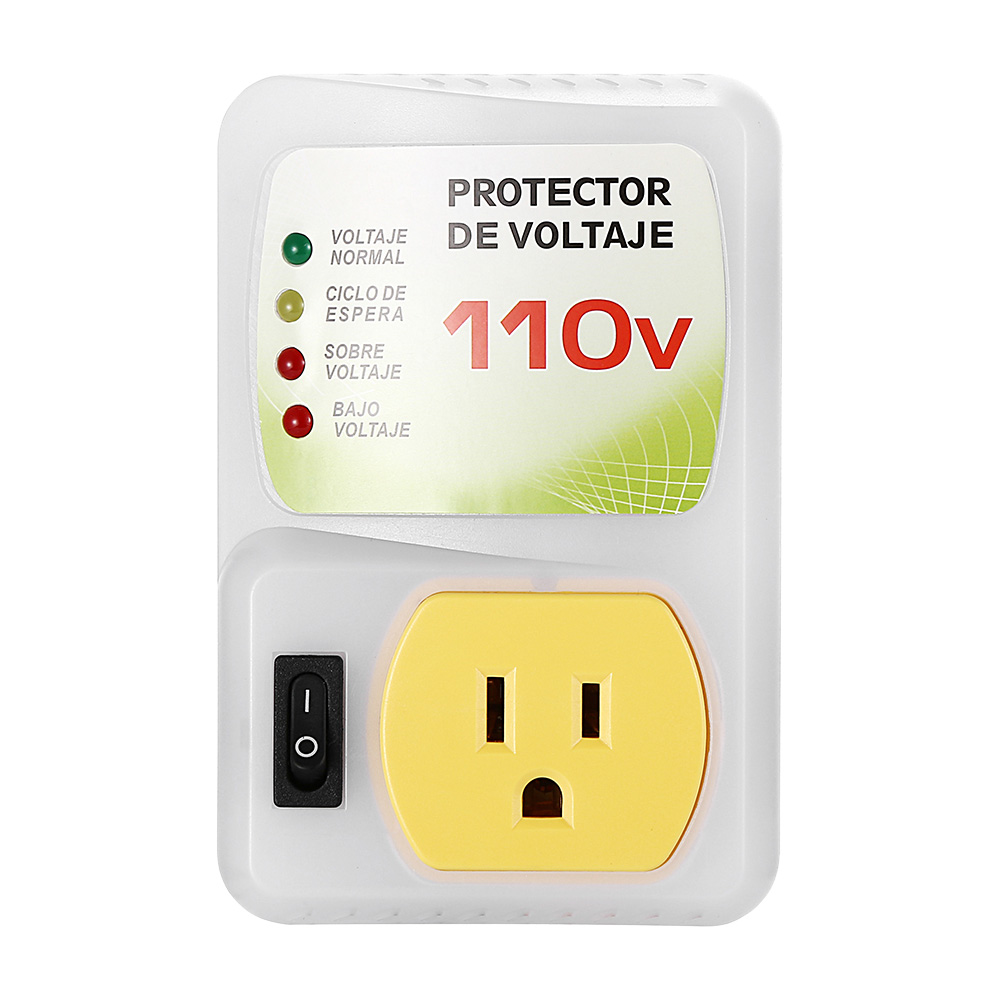
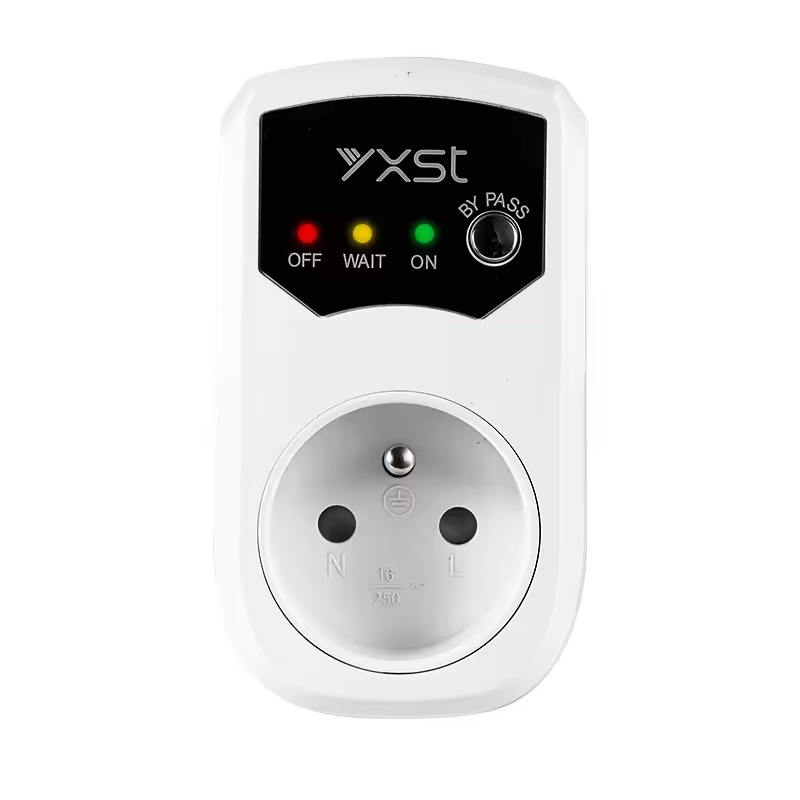
A voltage protector is an electrical safety device installed between a wall socket and an appliance. Its main purpose is to monitor the incoming power supply and prevent unsafe voltage from reaching connected equipment.
When the voltage exceeds or falls below a preset operating range, the protector automatically disconnects the power. Once the electricity becomes stable again, it restores the connection.
Voltage protectors are commonly used for:
-
Refrigerators and freezers
-
Air conditioners
-
Televisions
-
Washing machines
-
Computers and routers
-
Microwave ovens
-
Water pumps
-
Other household appliances
They are especially valuable in regions where power grids frequently experience voltage fluctuations, power cuts, sudden power restoration, or electrical surges.
What Are the Main Functions of a Voltage Protector?
1. High-Voltage Protection
High voltage occurs when the incoming electricity rises above the safe operating limit of an appliance.
Excessive voltage may:
-
Burn electronic control boards
-
Damage capacitors
-
Overheat motors
-
Reduce appliance service life
-
Cause complete equipment failure
A voltage protector detects the abnormal increase and immediately cuts off the electricity. This prevents dangerous voltage from reaching sensitive internal components.
2. Low-Voltage Protection
Low voltage can be equally harmful, especially for appliances that use motors or compressors.
When voltage is too low, equipment may draw more current to continue operating. This can cause overheating, weak starting performance, compressor stress, and motor failure.
Refrigerators, freezers, air conditioners, and water pumps are particularly vulnerable to low-voltage conditions.
A voltage protector disconnects the appliance until the electricity returns to a safe level.
3. Automatic Restart Delay
Many voltage protectors include an automatic restart delay.
This function is important for compressor-based appliances, including:
-
Refrigerators
-
Freezers
-
Air conditioners
-
Commercial cooling equipment
After a power interruption, pressure may remain inside the compressor system. If the appliance restarts immediately, the compressor may operate under excessive load.
A delayed restart gives the internal pressure time to balance before power is restored. This reduces startup stress and helps extend compressor life.
4. Surge and Spike Protection
Some voltage protectors also include surge protection.
Electrical surges and spikes may result from:
-
Sudden power restoration
-
Grid switching
-
Electrical faults
-
Heavy equipment starting
-
Nearby lightning activity
Although a spike may last only a short time, it can damage circuit boards, power supplies, and digital control systems.
Buyers should confirm the product specification carefully because voltage cutoff protection and surge suppression are related but not always identical functions.
5. Real-Time Voltage Monitoring
Digital voltage protectors may display the incoming voltage through an LED screen.
Depending on the model, the display or indicator lights may show:
-
Current voltage
-
Normal operating status
-
High-voltage warning
-
Low-voltage warning
-
Delay countdown
-
Disconnection status
Clear indicators make the protector easier to use, especially for customers with limited electrical knowledge. They can quickly understand why the appliance has been disconnected and when power will be restored.
What Are the Benefits of Using a Voltage Protector?
Reduced Appliance Damage
The most important benefit is preventing unsafe electricity from reaching the appliance.
This helps protect:
-
Compressors
-
Motors
-
Control boards
-
Power supplies
-
Capacitors
-
Electronic components
Lower Repair and Replacement Costs
A refrigerator, freezer, television, or air conditioner may cost significantly more to repair or replace than a voltage protector.
Using a suitable protection device can reduce maintenance expenses and unexpected equipment downtime.
Longer Appliance Service Life
Repeated voltage fluctuations gradually weaken electrical components, even when they do not cause immediate failure.
By blocking unsafe voltage, a protector reduces long-term electrical stress and helps appliances operate more reliably.
Better Customer Confidence
For importers and distributors, stable product performance can reduce returns, warranty claims, and after-sales complaints.
Professional packaging, clear specifications, genuine certification, and consistent quality can also strengthen the distributor’s reputation in the local market.
Strong Market Demand
Voltage protectors solve a common problem in markets with unstable electricity.
They can be sold through:
-
Appliance stores
-
Electronics shops
-
Hardware wholesalers
-
Supermarkets
-
Electrical distributors
-
Online retail channels
This makes them a practical product category for wholesalers, importers, and retail chain buyers.
Voltage Protector vs. Automatic Voltage Regulator
| Feature | Voltage Protector | Automatic Voltage Regulator |
|---|---|---|
| Main function | Disconnects unsafe power | Adjusts unstable voltage |
| High-voltage protection | Yes | Yes |
| Low-voltage protection | Yes | Yes |
| Voltage correction | No | Yes |
| Restart delay | Commonly available | Depends on model |
| Typical cost | Lower | Higher |
| Suitable for | Basic appliance protection | Continuous voltage instability |
A voltage protector cuts power when the supply becomes unsafe. It does not normally correct the incoming voltage.
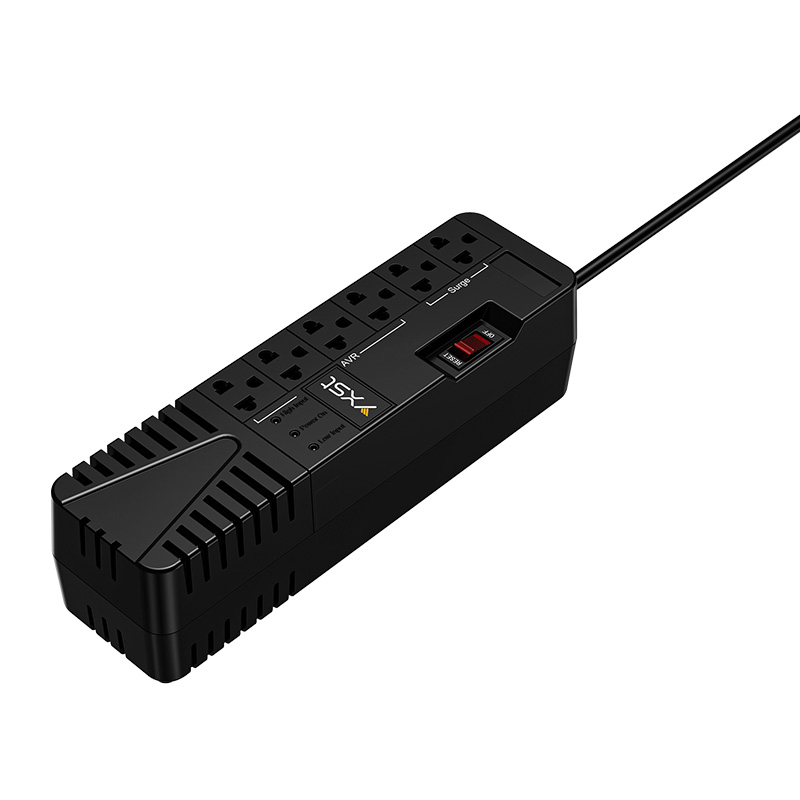
An automatic voltage regulator, also called an AVR or stabilizer, adjusts unstable voltage and provides a more stable output.
Customers who need basic automatic cutoff protection may choose a voltage protector. Customers dealing with frequent and continuous voltage instability may require an AVR.
How to Choose the Right Voltage Protector
Buyers should evaluate the following specifications before placing an order:
-
Rated voltage
-
Maximum current
-
Maximum power
-
High-voltage cutoff level
-
Low-voltage cutoff level
-
Restart delay time
-
Plug and socket standard
-
Intended appliance
-
Surge protection capability
High-power appliances require protectors with suitable current ratings and heavy-duty relays.
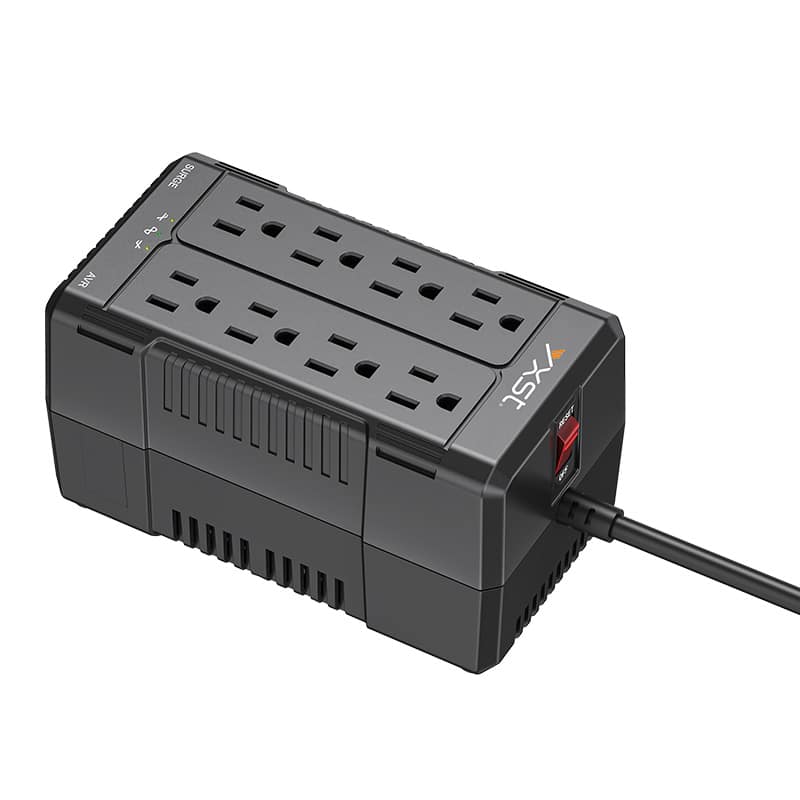
For example, air conditioners, large freezers, and high-capacity refrigerators may require models rated around 30A or 3600W.
Importers should also select plug standards that match their local markets, including:
-
UK plug
-
EU plug
-
US plug
-
AR plug
Customized voltage settings, colors, shells, packaging, branding, and product functions can help distributors meet local demand and build a stronger private-label product line.
Why Choose an Experienced Voltage Protector Manufacturer?
Wenzhou Yixing Electronic Technology Co., Ltd. manufactures voltage protectors, surge protectors, air conditioner protectors, and automatic voltage regulators for international B2B customers.
Its in-house manufacturing processes include:
-
SMT mounting
-
Reflow soldering
-
Wave soldering
-
Plastic injection molding
-
Product assembly
-
Quality inspection
-
Finished-product testing
The company also supports OEM and ODM customization for voltage ranges, plug standards, shell designs, packaging, colors, branding, and product functions.
For importers, wholesalers, and retail buyers, working with an experienced factory helps improve product consistency, supply stability, communication efficiency, and delivery reliability.
A voltage protector blocks unsafe electricity, protects valuable appliances, reduces repair costs, and creates strong commercial value for distributors.
 English
  Español
  Deutsch
  Français
  Italiano
  Português