
Voltage Protector vs. Surge Protector: Which Device Delivers Better Electrical Safety?
Modern homes and businesses depend heavily on sensitive electronics, yet unstable voltage and sudden power spikes quietly threaten these valuable devices. When these issues occur repeatedly, refrigerators burn out, computers fail unexpectedly, and industrial equipment stops working—leading to costly downtime and expensive repairs.
Without proper protection, the risks continue to grow. The solution lies in choosing the correct electrical protection device, but many users misunderstand the differences between a Voltage Protector and a Surge Protector. This comprehensive guide clarifies how both devices work and helps you make the right decision.
What Are Voltage Protectors and Surge Protectors?
A voltage protector disconnects power when incoming voltage becomes dangerously high or low, while a surge protector blocks or absorbs extremely fast spikes caused by lightning, grid switching, or electrical faults. Voltage protectors handle long-duration voltage problems, whereas surge protectors address short, sharp surges. Understanding these differences helps protect appliances—including refrigerators, TVs, air conditioners, computers, and industrial equipment—from electrical damage.
Before choosing the right device, let’s explore how each solution works and where they offer the best protection.
Understanding What a Voltage Protector Really Is
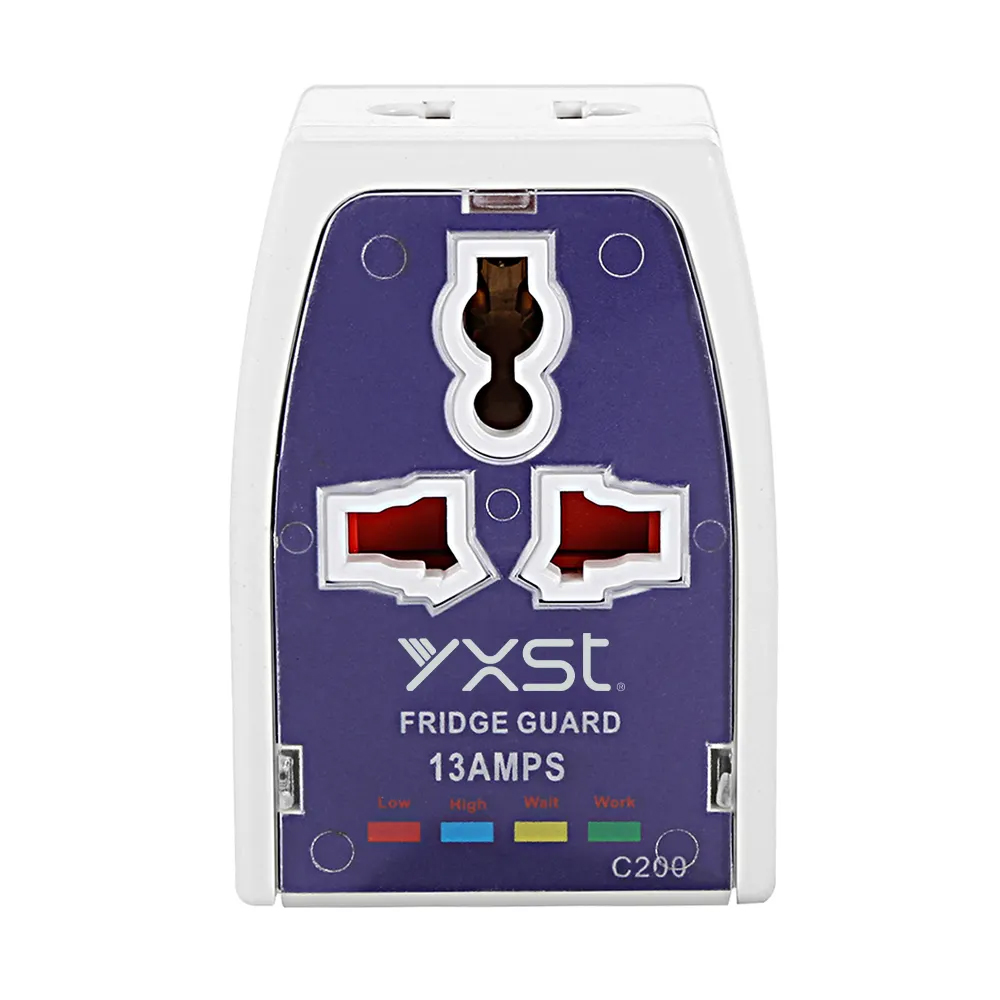
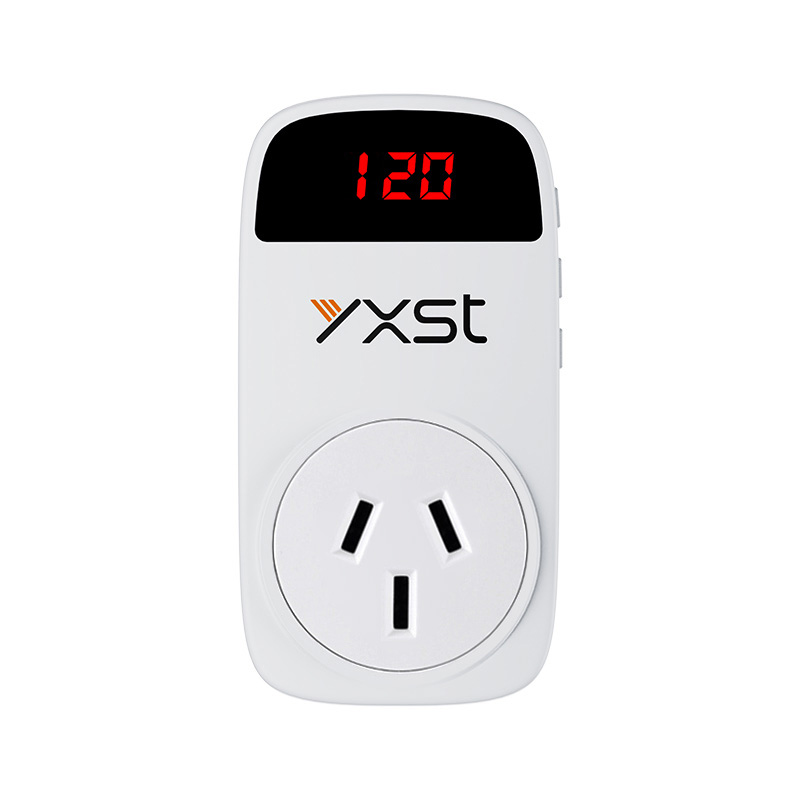
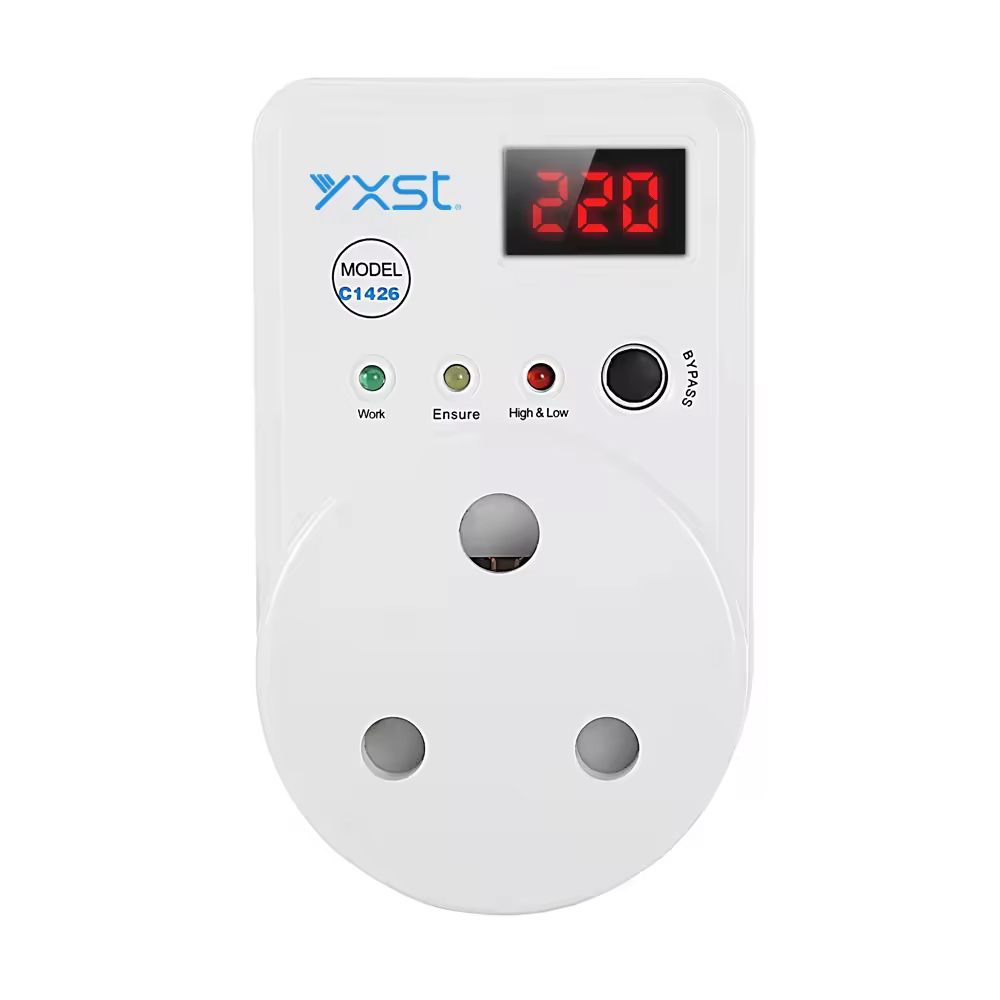
A Voltage Protector is an electrical safeguarding device designed to monitor voltage levels continuously and disconnect the load when voltage is outside a safe operating range.
Key characteristics include:
-
Protection from long-duration under-voltage
-
Protection from long-duration over-voltage
-
Built-in delay timers to stabilize power
-
Relay-based cut-off mechanism
-
Optional digital display and adjustable thresholds
This device is especially critical in areas with:
-
Unstable power grids
-
Overloaded distribution networks
-
Voltage drops caused by industrial equipment
Voltage Protectors protect motors, compressors, and microprocessors from premature failure, ensuring safe and stable operation for home appliances and industrial machines.
Explaining the Nature of Surge Protectors
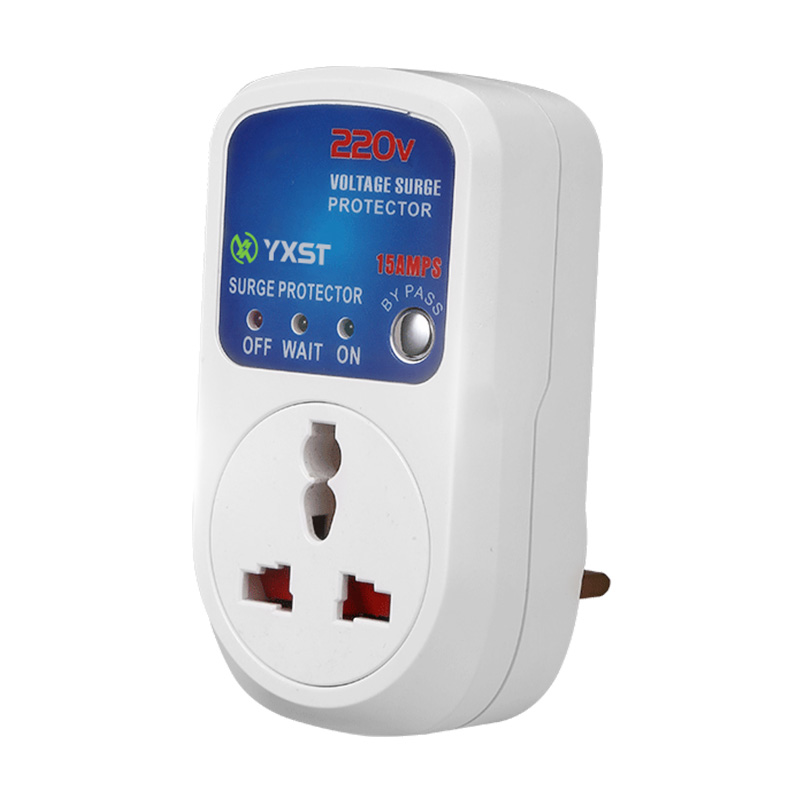
A Surge Protector is designed to shield electrical devices from extremely fast, high-energy spikes that last only microseconds.
Surge protectors defend against:
-
Lightning-induced spikes
-
Grid switching transients
-
Transformer faults
-
Sudden load changes
-
Communication line surges
Core components include:
-
MOV(Metal Oxide Varistor)
-
Gas discharge tube(GDT)
-
Thermal fuse
-
Grounding connection
Surge protectors do not regulate voltage. Instead, they instantly divert dangerous spikes away from sensitive electronics such as:
-
Computers
-
TVs
-
Routers
-
Printers
-
Industrial controllers
Major Functional Differences Between Voltage and Surge Protection
| Feature | Voltage Protector | Surge Protector |
|---|---|---|
| Function | Long-term voltage regulation | Instant spike suppression |
| Response Time | Milliseconds | Nanoseconds |
| Protection Type | High/low voltage | Lightning, transients |
| Best For | Appliances, compressors | Electronics, microchips |
In short:
-
Voltage Protector = Long-duration stability
-
Surge Protector = Instant spike defense
Both can be combined for full protection.
Detailed Look at How Voltage Protectors Operate
Voltage Protectors work through a combination of:
1. Voltage sensing circuit
Constantly measures incoming voltage.
2. Relay switching
Disconnects load instantly when voltage reaches unsafe levels.
3. Delay timer
Prevents rapid on-off cycles and protects compressors.
4. Indicator system
Shows voltage level, error codes, and working status.
Voltage Protectors prevent:
-
Overheating motors
-
Compressor burnout
-
Humming noise during low voltage
-
Power supply failure
They are essential for refrigerators, freezers, AC units, and industrial motor loads.
Technical Breakdown of Surge Protector Working Principles
Surge Protectors activate when a high-energy spike hits the line.
Core working mechanism:
-
MOV becomes conductive
-
Excess voltage is diverted to ground
-
Connected devices receive only safe voltage
-
Thermal fuse disconnects if overheating occurs
Ideal protection targets include:
-
Computers & servers
-
TVs and LED panels
-
Office electronics
-
Automation systems
-
Smart home devices
Without a surge protector, microchips can burn instantly—even from a small lightning-induced spike.
Situations Where Voltage Protectors Are the Best Choice
Use a Voltage Protector when you experience:
-
Flickering lights
-
Dim lights during heavy appliance startup
-
Low voltage at night
-
Sudden voltage rises
-
Compressor humming
-
Frequent brownouts
Perfect for:
-
Refrigerators
-
Air conditioners
-
Commercial freezers
-
Medical devices
-
Industrial motors
Voltage Protectors provide slow-stability protection that surge protectors cannot.
Situations Where Surge Protectors Perform Better
Use a Surge Protector when your environment has:
-
Frequent thunderstorms
-
Sensitive electronics
-
Risks of lightning strikes
-
Heavy industrial switching
-
Large office with multiple computer systems
Best for devices like:
-
PCs
-
TVs
-
Routers
-
Gaming consoles
-
AV equipment
-
Industrial control boards
Surge Protectors provide ultra-fast protection against instant voltage spikes.
Comparing Protection Levels Across Both Device Types
Voltage Protector:
-
Deals with long-duration voltage problems
-
Protects motors and compressors
-
Prevents overheating, low-voltage stall, burnout
Surge Protector:
-
Handles high-energy transient spikes
-
Protects circuit boards and microchips
-
Prevents instant breakdowns
Best practice: Use BOTH together.
How to Select the Right Protective Device for Your Equipment
Step 1:Identify your environment
-
Unstable grid → Voltage Protector
-
Frequent lightning → Surge Protector
Step 2:Identify equipment type
-
Motorized load → Voltage Protector
-
Electronic circuits → Surge Protector
Step 3:Combine both when in doubt
A layered protection system provides maximum safety.
Key Factors to Review When Choosing a Voltage Protector
When selecting, evaluate:
-
Cutoff voltage range
-
Delay time (5–30 seconds)
-
Load capacity
-
Display visibility
-
Relay durability
-
Response speed
-
Overcurrent protection
Choose a model rated 20–30% higher than your appliance load.
Important Criteria to Evaluate When Selecting a Surge Protector
Check the following:
-
Joule rating(越高越久)
-
Clamping voltage(330V/400V/600V)
-
Response time(≤1 ns)
-
Number of outlets
-
Grounding quality
-
Certification(UL、CE)
High-joule surge protectors protect longer and more effectively.
Best-Practice Steps for Proper Installation and Setup
-
Install voltage protectors close to appliances
-
Ensure surge protectors have proper grounding
-
Do NOT daisy-chain protectors
-
Avoid using damaged or heated units
-
Follow manufacturer safety instructions
How to Diagnose and Fix Common Protection Device Problems
Common issues include:
1. Frequent tripping
-
Check actual voltage
-
Equipment may exceed load capacity
2. Overheating
-
Protector is too small
-
Poor ventilation
3. Voltage misreading
-
Sensor needs reset
-
Input connections may be loose
4. Surge protector no longer works
-
MOV has worn out
-
Replace every 2–3 years
Expert Insights and Recommendations for Electrical Protection
Professionals recommend:
-
Use Voltage Protectors for compressors
-
Use Surge Protectors for electronics
-
Combine both for dual-layer defense
-
Replace old surge protectors regularly
-
Ensure proper grounding in all installations
A combined protection strategy significantly reduces equipment failure risk.
Summary
Voltage protectors stabilize long-term voltage fluctuations, while surge protectors block sudden spikes. Each has unique advantages, and combining both provides the most complete protection for homes, businesses, and industrial equipment.
 English
  Español
  Deutsch
  Français
  Italiano
  Português