
Varistors in surge protectors for household appliances
Abstract and Introduction: Importance of Surge Protection for Home Appliances
In modern homes, the number of electronic devices is growing exponentially, from refrigerators and air conditioners to smart TVs and computer systems, all facing the inevitable threat of voltage fluctuations in the power system. As the first line of defense, the performance of the core component of the surge protector, the varistor, directly determines the protection effect. Statistics show that more than 35% of electronic equipment failures are related to voltage transients, and devices equipped with high-quality surge protectors can reduce the probability of damage by more than 80%.
A varistor, full name “voltage-dependent resistor”, is a semiconductor component with nonlinear volt-ampere characteristics. Its main components are zinc oxide (ZnO) and other metal oxides. When an abnormal overvoltage occurs in the circuit, the varistor can change the resistance value from high resistance (megaohm level) to low resistance (ohm level) within nanoseconds, thereby directing the surge energy to the ground wire and protecting the precision electrical appliances connected at the back end. This unique performance makes it an indispensable core component in modern surge protection devices.
This article will systematically analyze the technical principles, selection standards, application scenarios, and fault diagnosis methods of varistors in household appliance surge protectors. The content covers the working principle and main functions of varistors, deeply explores the state performance and detection methods of varistors after breakdown, and analyzes the typical phenomena of varistors damaged. At the same time, combined with the performance requirements of international standards for surge protectors, it provides selection recommendations and maintenance strategies for home scenarios to help users fully understand this key protection component and build a reliable overvoltage protection system for home electronic devices.
Basic concepts and core parameters of varistors
Varistor (Varistor or Voltage Dependent Resistor) is a semiconductor component whose resistance value changes significantly with the applied voltage, and plays an irreplaceable role in the field of circuit overvoltage protection. This electronic component has various names in different regions. For example, Taiwan, China often calls it a “surge absorber”, while mainland China sometimes calls it a “varistor”. The core material of the varistor is zinc oxide (ZnO), which usually accounts for 85%-95% of the total composition, and the rest is a variety of metal oxide additives. These materials are sintered to form a special microstructure, giving the varistor unique nonlinear conductive properties.
Structure and naming rules of varistor
A typical varistor consists of three parts from the inside to the outside: zinc oxide ceramic body, metal electrode, and external packaging material. The zinc oxide ceramic body is a multiphase system composed of a large number of zinc oxide grains and the grain boundary layer between them. This structure determines its nonlinear conductive properties. The grains themselves have low resistivity, while the grain boundary layer presents a high resistance state under normal voltage. When the voltage exceeds a certain threshold, the potential barrier in the grain boundary layer is broken and the resistance drops sharply. The International Electrotechnical Commission (IEC) has established standardized naming rules for varistors, which usually include the following information sequence: trademark, size code, varistor voltage value and tolerance, maximum allowable impulse current, and other parameters.
Analysis of key performance parameters
To select a varistor suitable for surge protection of household appliances, you need to understand the following core parameters:
※ Varistor voltage (V1mA): refers to the terminal voltage of the varistor when a 1mA DC passes through it, which is a key parameter that marks its conduction threshold. For 220V household circuits, products with a varistor voltage in the range of 385V-470V are usually selected, leaving enough margin to cope with normal voltage fluctuations.
※ Limiting voltage (Up): A characteristic indicator that measures the ability of a varistor to suppress transient overvoltages, indicating the residual voltage across the varistor under a given surge current. A high-quality surge protector should ensure that the limiting voltage is lower than the tolerance level of the protected device.
※ Energy dissipation capacity: In joules (J), it indicates the maximum surge energy that the varistor can absorb without damage. For household scenarios, 100J-400J products are generally selected, while areas prone to lightning require higher specifications.
※ Maximum surge current (8/20μs wave): refers to the value that the varistor can withstand a single maximum surge current without damage. Household protectors are usually 3kA-20kA.
※ Response time: The response time of a high-quality varistor can be as short as 5-25 nanoseconds, which is much faster than other overvoltage protection devices.
Table: Typical parameter selection of varistors in surge protectors for household appliances
| Circuit type | Recommended varistor voltage (V1mA) | Minimum energy capacity (J) | Maximum surge current (8/20μs wave) | Applicable electrical appliance type |
| 120V AC system | 150V-180V | 100J-200J | 3kA-10kA | Small household appliances, electronic equipment |
| 220V AC system | 385V-470V | 200J-400J | 10kA-20kA | Refrigerators, air conditioners, televisions |
| 380V three-phase system | 620V-750V | 400J-600J | 20kA-40kA | High-power industrial equipment |
Classification and application scenarios of varistors
Based on the manufacturing materials and characteristics, varistors are mainly divided into three categories: zinc oxide varistors, silicon carbide varistors, and strontium titanate varistors. The zinc oxide type is almost entirely used in the field of surge protection for household appliances because it has the best nonlinear coefficient and response speed. According to the packaging form, it can be divided into lead type, sheet type, and module type. Among them, the lead type is most commonly used in power socket protectors, while the module type is mostly used for overall protection in distribution boxes.
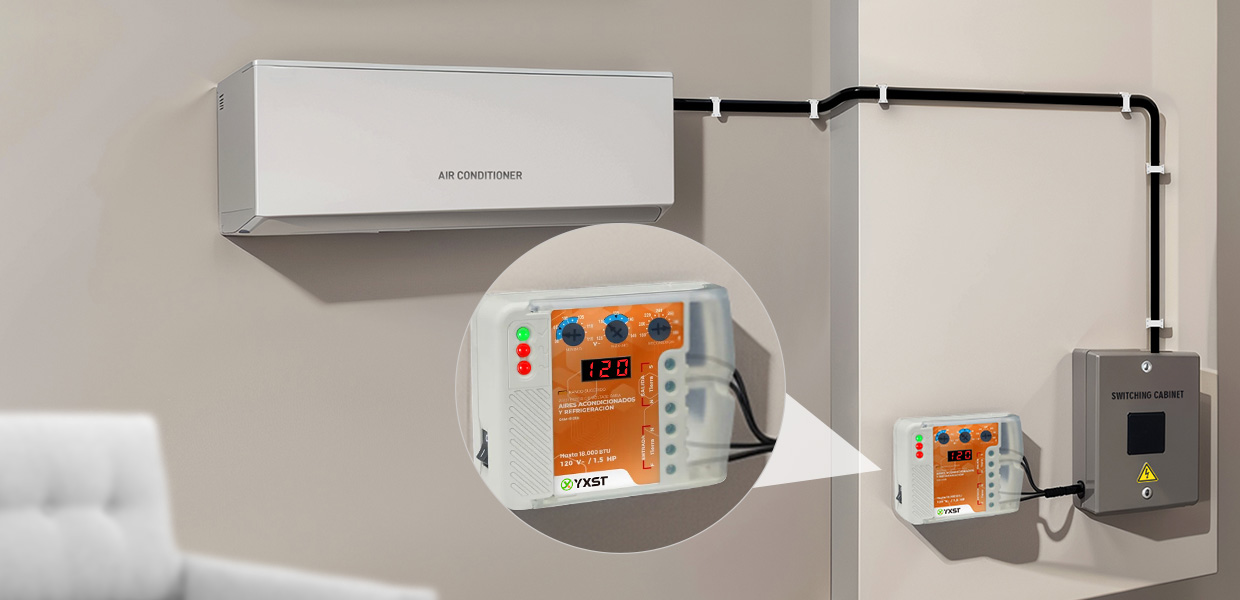
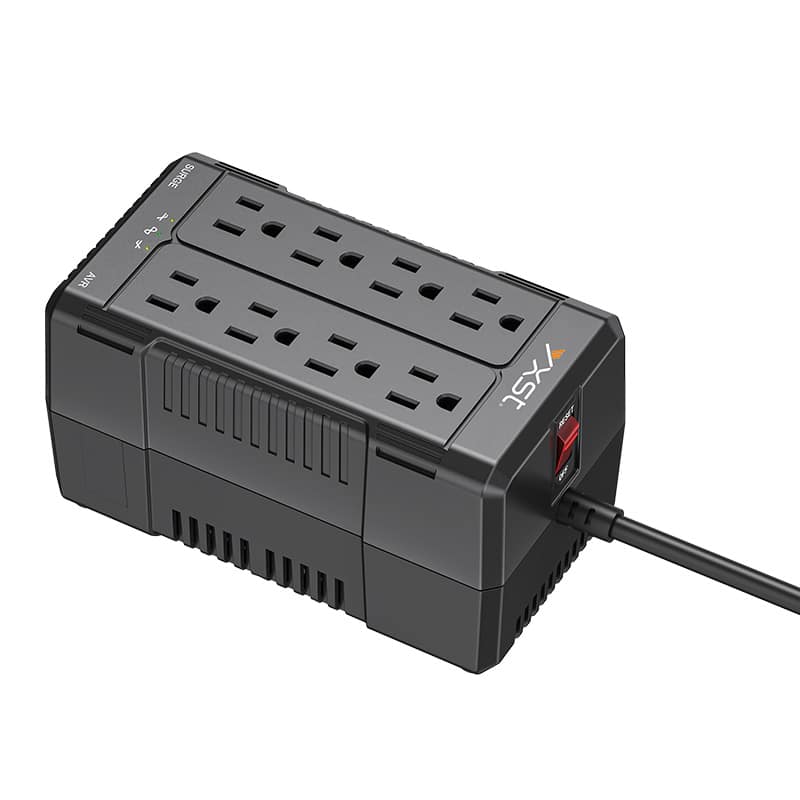
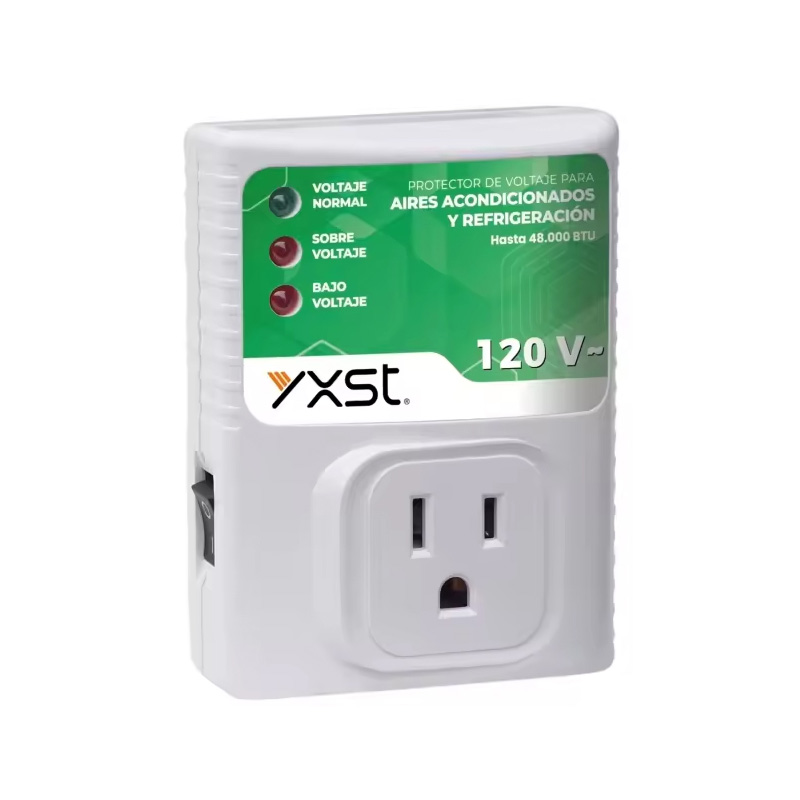
In modern household appliance surge protectors, varistors are usually combined with gas discharge tubes (GDRs) or transient voltage suppression diodes (TVS) to form multi-level protection circuits to achieve complementary advantages. As described in Dell’s technical support document, this combination design can take into account the needs of large energy absorption and fine protection, providing more comprehensive protection for connected devices. Typical applications include: refrigerator/air conditioner special protection socket (such as Yixing-N021-120 model), computer power surge protection socket, home theater system protection device, etc. These products all rely on varistors as core protection components.
Working principle and main function of varistor
Varistor exhibits a unique and efficient working mechanism in the field of circuit protection. Its core function is reflected in the rapid response and energy dissipation of transient overvoltage. A deep understanding of this working principle will help us correctly select and maintain surge protection devices for household appliances. The conductive properties of varistors are completely different from those of conventional resistors. It follows the nonlinear Ohm’s law. Its volt-ampere characteristic curve can be divided into three characteristic regions: small current region (high resistance state), conduction region (nonlinear region), and flip region (low resistance state). This special electrical behavior makes it an ideal overvoltage protection component.
Microscopic working mechanism and conductive principle
At the molecular level, the working mechanism of the varistor can be explained by the “double Schottky barrier” theory. Zinc oxide varistor ceramics are composed of alternating ZnO grains with good conductivity and insulating grain boundary layers. Under normal voltage, the barrier of the grain boundary layer prevents current from passing through. At this time, the varistor presents a high resistance state (up to megohm level) and a very small leakage current (microampere level). When the applied voltage reaches the varistor voltage threshold, the electrons in the grain boundary layer gain enough energy due to the strong electric field and cross the potential barrier through the quantum tunneling effect, causing the resistance value to drop sharply by 3-5 orders of magnitude, forming an “avalanche” conduction. This physical process takes only a few nanoseconds to complete, which is about 100 times faster than a gas discharge tube, slightly slower than a TVS diode but with a larger energy capacity.
This nonlinear characteristic of the varistor originates from the complex barrier structure formed by the zinc oxide grain boundary. Experimental data show that before reaching the threshold voltage, the resistivity of the varistor can reach 10⁸Ω·cm; once the threshold is exceeded, the resistivity drops rapidly to 1-10Ω·cm, and this transformation is reversible. However, when the overvoltage lasts too long or the energy is too large, this transformation may become irreversible, resulting in component damage, which is why the varistor needs to be checked regularly.
Core role in home surge protectors
In-home appliance surge protectors, varistors play multiple key roles, including:
- Transient overvoltage clamping: When transient overvoltages such as lightning induction or switching surges occur, the varistor quickly turns on and limits the voltage to a safe range. For example, a component with a nominal varistor voltage of 385V can limit a 500V transient voltage to less than about 600V (depending on the current) to protect the back-end 220V appliances.
- Surge energy absorption: By converting overvoltage energy into heat energy for dissipation, energy is prevented from being transmitted to the protected device. A 20mm diameter varistor can absorb up to 300J of energy, which is equivalent to the energy of a 1kW appliance working for 0.3 seconds.
- System voltage stabilization: Suppress instantaneous voltage fluctuations caused by the start and stop of large appliances or power grid fluctuations, and maintains system voltage stability. This function is particularly important for precision electronic devices such as computers and smart TVs.
- Prevent arcs and sparks: Absorbs the back EMF generated by inductive loads when switch contacts or relays are opened, preventing contact erosion and electromagnetic interference.
Working mode in practical application
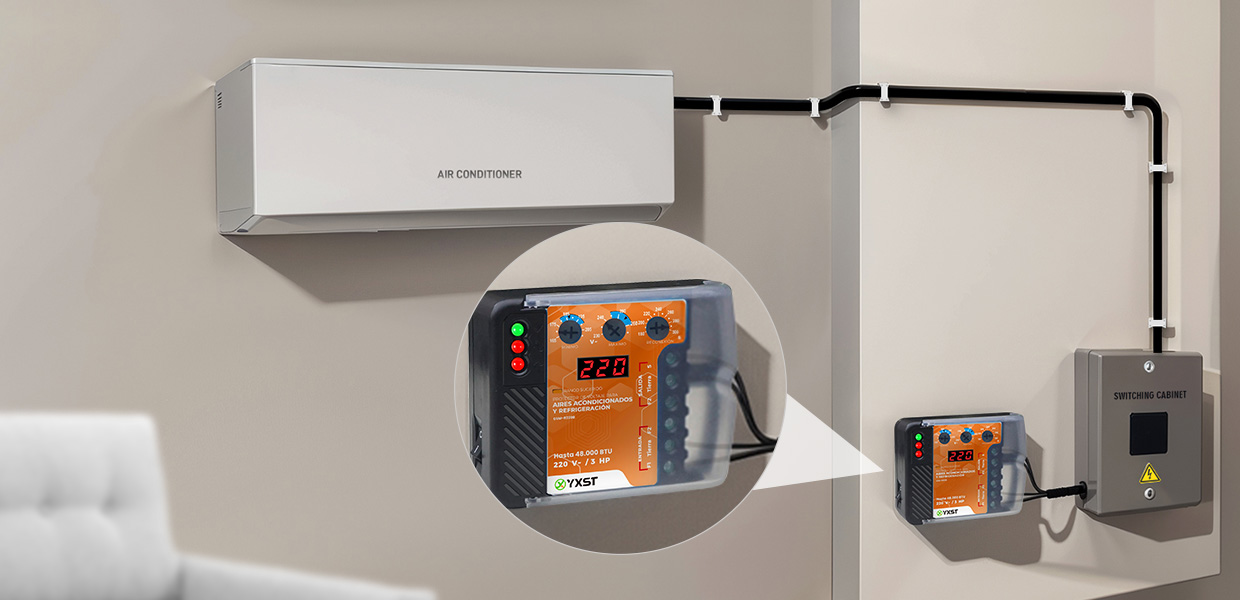
The varistors in typical household surge protectors are usually connected in parallel. In normal operation, they are in a high-resistance state with almost no effect on the circuit; when a surge occurs, they change to a low-resistance state, forming a current discharge channel. Modern advanced protectors, such as the N021-220 model shown at Yixing, also integrate multiple protection functions such as overvoltage, undervoltage, and overload, which are still based on the fast response characteristics of the varistor.
High-quality surge protectors should include both MOV (metal oxide varistor) and GDR (gas discharge tube) protection elements. In this design, the varistor is used as the first-level protection to handle common short-term medium-energy surges, while the gas discharge tube handles rare extremely high-energy impacts (such as direct lightning induction). This combined design ensures fast response and improves the overall energy dissipation capacity, significantly extending the effective life of the protector.
It is worth noting that the protection performance of the varistor is closely related to the quality of its connection line. In particular, the grounding wire must have low impedance and reliable connection, otherwise the protection effect will be greatly reduced. The surge protector must be clearly marked with its grounding method and performance parameters, and the user should strictly follow the instructions during installation to ensure that the protector performs at its best. When using a varistor between the power line and the earth, poor grounding may cause the voltage between the line and the earth to rise, so it is usually necessary to use a varistor with a higher nominal voltage than when used between lines.
Failure modes and damage phenomena of varistors
As a protection element, varistors themselves also face performance degradation and failure problems caused by various stresses. Understanding the phenomenon of varistors and their state after breakdown is crucial for the maintenance and fault diagnosis of surge protectors for household appliances. The failure modes of varistors are complex and diverse, but can generally be divided into two categories: progressive aging failure and sudden destruction failure. These failures will not only cause the loss of protection functions but may also cause fire risks in severe cases, so users need to pay special attention.
Common failure modes and their mechanisms
The failure modes of varistors are mainly divided into three forms: open circuit, short circuit, and performance degradation. Each mode corresponds to a different physical damage mechanism:
※ Short circuit failure: This is the most common form of failure, accounting for about 70% of all failure cases. When the surge energy borne by the varistor exceeds its rated capacity, the internal zinc oxide grain boundaries will partially melt, forming a conductive channel with a diameter of about 0.1-1mm, causing the component to present a low resistance state. Short-circuit failure can be divided into two subtypes: one is an aging failure, due to the cumulative effect of multiple small surges, the grain boundary layer gradually deteriorates, the leakage current slowly increases, and finally thermal runaway; the other is transient overvoltage damage, which directly forms a short-circuit channel under a single large surge impact.
※ Open circuit failure: accounts for about 25% of failure cases, usually manifested as the physical explosion of components. When the transient current passing through the varistor is extremely large (such as a direct lightning strike), the Joule heat generated inside it can cause the temperature to rise to more than 2000℃ instantly, causing the ceramic body to burst due to thermal stress. Although this failure mode looks drastic, it is relatively safe, at least it will not cause continuous short-circuit current. The analysis report of Chuangxin Testing pointed out that open circuit failure often occurs when the MOV flows through a surge current far exceeding its tolerance, usually manifested as the explosion of the zinc oxide varistor body, but this mode will not cause combustion.
※ Performance degradation: The remaining 5% of cases are manifested as parameter degradation but not complete failure. When the varistor voltage drops by more than 10% or the leakage current increases several times, the protection threshold drifts, which greatly reduces the protection effect. This failure is the most dangerous because it is difficult to detect through routine observation, but the protection performance has been seriously reduced.
Intuitive phenomena and judgment methods of damage
When the varistor in the surge protector of household appliances fails, it usually shows the following phenomena, and users can preliminarily judge the status of the protector through these signs:
→ Physical deformation: The surface of a normal varistor should be flat and free of cracks. A damaged varistor may crack, bulge, discolor (usually turn light yellow or brown), or have electrodes fall off. In the case of a serious short circuit, the external packaging material may be carbonized or burnt, accompanied by a pungent odor.
→ Loss of protection function: The device connected to the failed protector begins to restart abnormally, and has unstable performance or an increased damage rate, indicating that the surge protection function has been lost. Especially when multiple devices on the same socket have similar failures one after another, the protector should be suspected of failure first.
→ Leakage protector tripping: When a varistor fails in a short circuit, it may cause an increase in circuit leakage current, resulting in frequent tripping of the household residual current protection switch (RCD). The CN87215351U patent document mentions that a leakage protection device with a varistor-type overvoltage protection device may malfunction due to a varistor failure.
→ Overheating phenomenon: Even without a surge event, a failed varistor (especially when in a soft breakdown state) may continue to heat up, causing the protector housing temperature to rise abnormally. This phenomenon can be detected non-contact using an infrared thermometer.
Analysis of failure causes and influencing factors
Failure of varistors is not random, but is affected by a variety of factors. Understanding these factors can help extend the life of the protector:
→ Electrical stress factors: including surge intensity, duration, and repetition frequency. A single large surge can easily cause a burst and open circuit, while frequent small surges accelerate aging. Dell technical support documents point out that although the appearance of the surge protector may be intact, the internal components (such as MOV) can only withstand a limited number of impacts.
→ Environmental factors: High temperature and high humidity environments will accelerate the aging process of varistors. For every 10°C increase in temperature, the aging rate is about 1 times faster. In addition, the life of protectors in areas prone to lightning (such as tropical areas) is significantly shorter than that in areas with less lightning.
→ Circuit factors: Poor grounding will cause the surge energy to be unable to be effectively discharged, causing the varistor to be subjected to higher stress. Excessive power supply impedance will increase the limiting voltage (Up) and reduce the protection effect.
→ Manufacturing defects: Varistors with uneven microstructures or poor electrode contact are more likely to fail early at weak points. This is also an important reason for choosing a well-known brand protector.
When there are manufacturing defects in the varistor, it is prone to early failure. Multiple effects of low-intensity electrical shocks will also accelerate the aging process and cause aging failure to occur earlier. Therefore, even if used in a relatively mild environment, the surge protector has a certain service life. It is usually recommended to replace it every 3-5 years or replace it in time after a large surge event.
Conventional detection methods and operation steps of varistors
For ordinary household users, the following methods can perform basic detection of the varistor in the protector without disassembling the device:
→ Appearance inspection method: Regularly check whether the surge protector shell is deformed, discolored, or burnt. For example, in the JL-VP2188 model protector displayed by Alibaba, the indicator light should be stable during normal operation. If the indicator light is found to be abnormally flashing or off, it may indicate that the internal varistor is damaged. Physical inspection should also include smelling for abnormal burnt smells and touching the shell temperature to see if it is abnormally high (normally it should be close to room temperature).
→ Resistance measurement method: Use the resistance range (2MΩ range) of a digital multimeter to measure the resistance across the varistor. Under normal conditions, the measured resistance should be close to infinity (displaying “OL”). If the resistance is less than 500kΩ, it indicates that the component has been severely degraded; if it is close to zero ohms, it is confirmed that the short circuit is damaged. The CSDN blog clearly states: “If the measured resistance is very small, it proves that the varistor has been broken down and damaged.” When measuring, make sure that the protector is powered off and the capacitor is discharged.
→ Functional test method: Indirect judgment by observing the operating status of the connected device. If the device restarts abnormally, the screen flickers or the performance is unstable, it may indicate that the surge protection function has failed. A more professional method is to use an oscilloscope to capture noise and transients on the power line, but this requires a higher level for home users.
→ Capacitance detection method: The varistor has an inherent capacitance of about 100-2500pF when it is not broken down. This capacitance value changes significantly when the soft breakdown occurs. This parameter can be detected using a multimeter with a capacitance measurement function. The video tutorial of Electronic Goods City details how to use the capacitance measurement function of a multimeter to determine whether a varistor is damaged. In particular, when a varistor has a soft breakdown phenomenon, ordinary resistance measurement methods may not be able to accurately determine its state. At this time, capacitance measurement is more effective.
Comparison and applicable scenarios of different varistor detection methods
| Detection method | Tools required | Detection parameters | Accuracy | Applicable occasions |
| Appearance inspection | Visual/smell | Physical state | Low | Daily rapid screening |
| Resistance measurement | Digital multimeter | DC resistance | Medium | Home user detection |
| Capacitance measurement | Capacitance meter | Equivalent capacitance | Medium-high | Soft breakdown diagnosis |
| V1mA test | Special tester | Variator voltage | High | Professional maintenance |
| Leakage current test | Microammeter + power supply | Leakage current | High | Quality assessment |
| Limit voltage test | Surge generator + oscilloscope | Residual voltage | Extremely high | Laboratory testing |
Testing precautions and safety guidelines
When performing testing of varistor, the following safety specifications must be followed to prevent accidental injury or equipment damage:
→ Power-off operation: Before testing, be sure to disconnect the protector from the power supply and use an insulated screwdriver to short-circuit and discharge to avoid residual voltage interfering with the measurement or causing electric shock.
→ Anti-static measures: Use an anti-static wristband or touch grounded metal to release human static electricity to prevent static electricity from damaging semiconductor components.
→ Measurement environment: Test in a dry environment to avoid moisture affecting the measurement results. The ambient temperature is best kept between 15-25℃, and extreme temperatures will affect the measurement accuracy.
→ Parameter comparison: Compare the measurement results with the nominal value of the component or a normal component of the same model. Looking at the absolute value alone may lead to misjudgment. The resistance value of the varistor is usually marked on the varistor. The status can be preliminarily judged by measuring its resistance value with a multimeter to see if it is consistent with the mark.
→ Comprehensive judgment: When the results of a single test method are suspicious, multiple methods should be combined for cross-verification. In particular, for cases where performance is degraded but not completely failed, a more comprehensive evaluation is required.
Traditional varistor testing methods often only focus on static parameters, while ignoring the dynamic performance under actual working conditions. Therefore, for protectors used on critical occasions, it is recommended to use professional equipment for comprehensive testing, or directly replace them regularly to ensure protection reliability. Chuangxin Testing’s technical article also pointed out that when the varistor is in a degraded state, the leakage current will increase when a multimeter is used to test the varistor, and the varistor voltage will drop significantly until it reaches zero. These subtle changes require precision instruments to accurately capture.
Varistor selection guide and household protector purchase recommendations
The reasonable selection of varistor is a prerequisite for ensuring the effective operation of household appliances surge protectors. Faced with a wide range of protection products on the market, consumers need to master scientific selection principles to match the best protection solutions for different appliances. High-quality surge protectors not only rely on high-performance varistors, but also need to consider multiple factors such as overall circuit design, auxiliary protection components, and compliance with international standards. This section will provide a systematic selection method based on technical parameters and practical applications.
Classification protection strategy for household appliances
Different types of appliances have different requirements for surge protection, and a classification protection strategy should be adopted:
→ Precision electronic equipment: including computers, TVs, stereos, etc., which require fine protection. Choose a protector with low limiting voltage (<600V) and fast response, preferably with an EMI/RFI filtering function. For example, the protector recommended by Dell should meet the strict transient voltage suppression requirements specified in the UL 1449 standard.
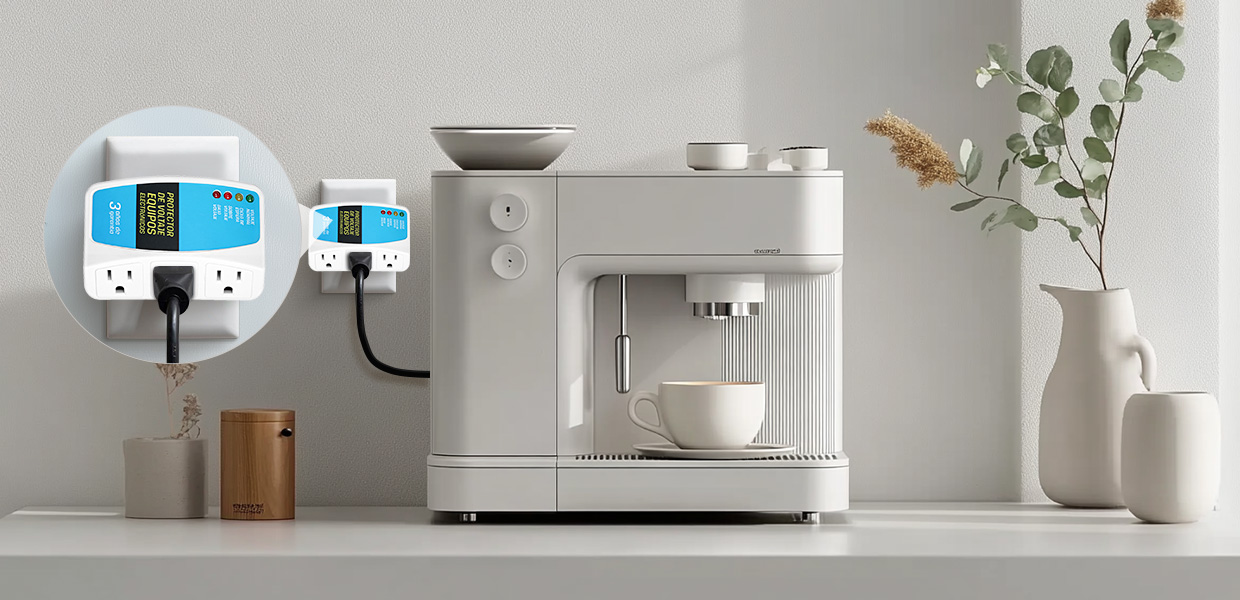
→ High-power appliances: such as air conditioners, refrigerators, washing machines, etc., mainly prevent surges caused by motor start and stop. Choose a protector with a large current capacity (more than 15A) and strong energy absorption capacity. The JL-VP2188 model on Alibaba is a protector designed for refrigerators with a current capacity of 15A.
→ Lighting circuit: Not sensitive to surges, you can choose a basic protector, focusing on preventing lightning induction. Pay attention to compatibility with dimmers.
→ Whole-house protection: Adopting the concept of hierarchical protection, Type 1 or Type 2 high energy protectors (above 40kA) are installed at the household electricity meter box, and then Type 3 fine protectors are installed at the room level.
Analysis and purchase suggestions of mainstream products in the market
There are good and bad household surge protectors on the market, and consumers need to choose carefully. Based on product analysis, the following purchase points can be summarized:
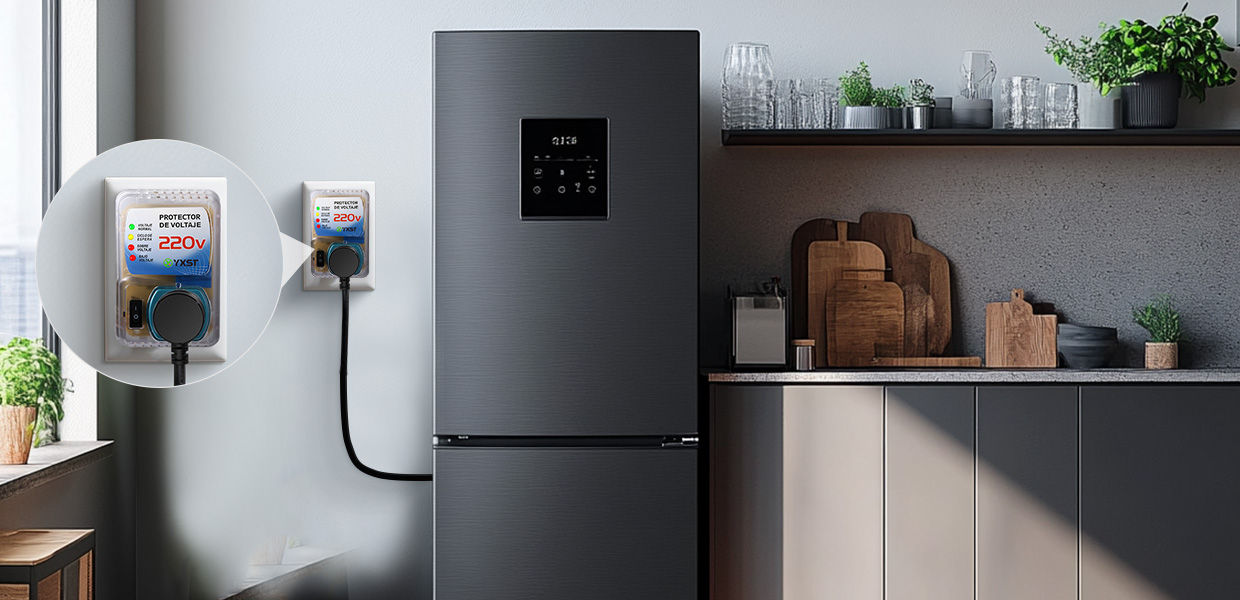
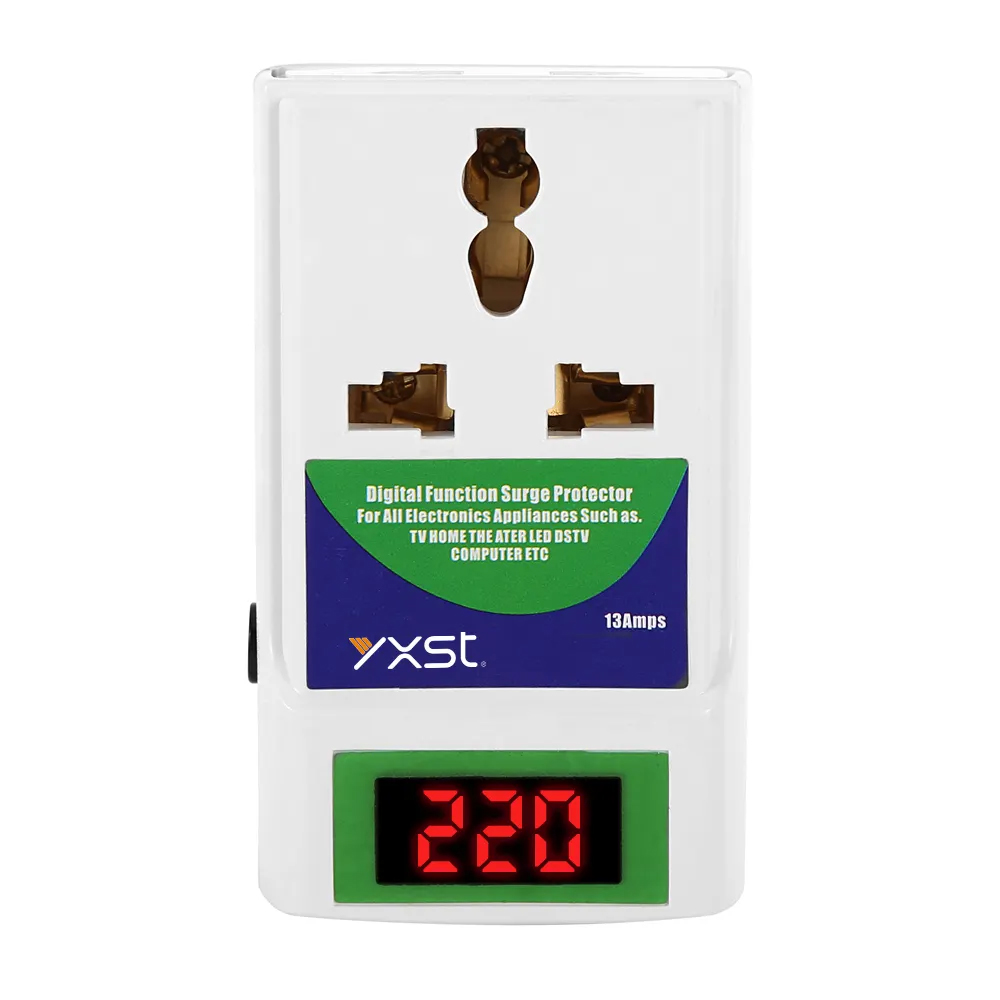
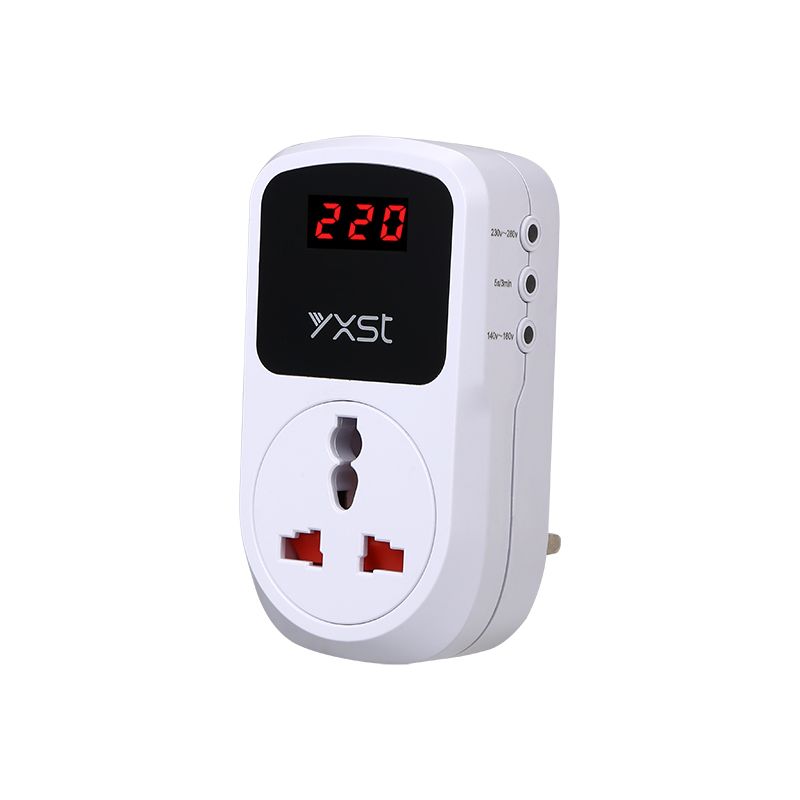
→ Functional integrity: A high-quality protector should have multiple protections such as overvoltage, undervoltage, and overload. For example, the Yixing N008-220 model has “5 types of protection (overvoltage, undervoltage, interruption, surge/spike, overload protection)”, and has a voltage display and delayed start function.
→ Parameter authenticity: Be wary of products with false parameters. Formal products will mark key parameters such as maximum discharge current (such as 20kA), response time, limiting voltage, etc.
→ Structural design: Check whether the product uses combined protection technology (MOV+GDR or MOV+TVS). This design can improve reliability and life. At the same time, pay attention to the heat dissipation design. High-quality products will have good ventilation or metal heat sinks.
→ Brand and after-sales service: Choose well-known brands or certified industrial brand products, which usually use high-quality varistors and undergo rigorous testing.
→ Ease of use: Consider whether it has a status indication (such as LED/LCD display), reset function, installation method, etc. For example, in some products “when the voltage display is normal, use the forced start button to easily start working”, which brings convenience to use.
Consumers are especially reminded not to make choices based on price alone. Low-priced protectors may use inferior varistors, whose actual protection capabilities are limited and even pose safety hazards. Chuangxin Testing’s analysis pointed out that if the varistor has manufacturing defects, it is prone to early failure, and multiple effects of low-intensity electrical shocks will also accelerate the aging process. Therefore, although the initial cost of choosing regular products that have passed safety certification is higher, in the long run, it can provide more reliable protection and avoid greater losses caused by electrical damage.
Maintenance strategy and replacement standard for varistors
As sacrificial protection components, the performance of varistors will gradually deteriorate over time and with the number of times they are used. Developing a scientific maintenance plan is essential to ensure that home appliance surge protectors continue to be effective. Unlike fuses, the deterioration of varistors often has no obvious external manifestations, which makes regular inspection and preventive replacement particularly important. This section will introduce the life assessment method, maintenance strategy and replacement standard of varistors in detail to help users establish a systematic protector management plan.
Life evaluation and influencing factors of varistor
| Influencing factors | Impact on lifespan | Mitigation measures | Inspection methods |
| Surge intensity and frequency | Directly determines lifespan | Graded protection to reduce surges reaching the protector | Record abnormal power events |
| Ambient temperature | High temperature accelerates aging | Maintain good ventilation and stay away from heat sources | Infrared temperature measurement |
| Humidity and pollution | Causes corrosion and leakage | Choose moisture-proof design and keep dry | Visual inspection |
| Grounding quality | Poor grounding reduces protection effect | Ensure ground resistance <10Ω | Ground resistance test |
| Continuous working voltage | Long-term voltage stress causes aging | Choose appropriate varistor voltage (V1mA) | Leakage current test |
Maintenance plan and inspection method
To ensure that the home surge protector is always in good condition, it is recommended to implement the following maintenance strategy:
→ Regular appearance inspection: Visually inspect the protector status once a quarter to check whether the indicator light is normal and whether the shell is deformed, discolored, or abnormally heated.
→ Function test: Perform a protection function test at least once a year. A simple method is to simulate a surge with a tester with an indicator light or observe whether the connected device is abnormal. A more professional method is to use a dedicated protector tester.
→ Parameter measurement: Measure the key parameters of the varistor every 1-2 years, including insulation resistance (should be >1MΩ) and varistor voltage (deviation from the nominal value <±10%).
→ Event response inspection: After experiencing a significant power event (such as lightning, power grid failure, and start-up and shutdown of nearby large equipment), the protector status should be checked in time.
→ Environmental monitoring: The installation location of the protector should be kept dry and well-ventilated, and the ambient temperature should preferably be between -10℃~+40℃. Avoid installing in direct sunlight or humid places.
During the application of varistors, it is necessary to ensure that “when the voltage fluctuates greatly, the continuous working voltage will not exceed the maximum allowable value, otherwise the service life of the varistor will be shortened”. At the same time, when using a varistor between the power line and the earth, “sometimes due to poor grounding, the voltage between the line and the ground rises, so a varistor with a higher nominal voltage than the line-to-line use occasion is usually used”. These professional suggestions need to be considered during maintenance.
Replacement standards and upgrade suggestions
The replacement of varistors should be based on clear standards to avoid wasting resources by replacing too early or bringing risks by replacing too late. The following are typical replacement opportunities:
→ Regular replacement: It is recommended to replace the protector every 3-5 years in ordinary home environments; it is recommended to replace it every 2-3 years in commercial environments or areas prone to lightning. Even if there is no obvious damage, the performance of a varistor used for a long time will deteriorate due to aging.
→ Parameters exceed the standard: When the measurement shows that the varistor voltage changes >±10%, the insulation resistance <1MΩ or the leakage current >1mA, it should be replaced immediately.
→ Function failure: If the protector indicator light is abnormal, the device damage rate increases or it has experienced a known large surge event, you should consider replacing it. If the protector has experienced a surge that caused the fuse to blow, even if it still appears to be working, the internal varistor may have been seriously damaged.
→ Technology upgrade: When purchasing more sophisticated or more expensive equipment, you should consider upgrading the protector. Technology from ten years ago may not meet the protection needs of modern smart homes.
When replacing the protector, it is recommended to choose a product with newer technology. Modern advanced protectors, such as the models displayed by Alibaba, integrate functions such as voltage display, automatic delay, and multiple protections, providing more comprehensive protection than basic models.
Finally, it should be emphasized that any maintenance and replacement operations should be performed with power off and by qualified personnel. In particular, the replacement of the overall protector in the distribution box involves high-voltage operations and should not be attempted by non-professionals.
 English
  Español
  Deutsch
  Français
  Italiano
  Português