
Tips for Buying Best Voltage Stabilizer for Home
Unstable voltage can damage appliances, raise repair costs, and disrupt daily life — the right voltage stabilizer helps prevent losses and keeps homes protected.
The best voltage stabilizer for home should match local voltage conditions, appliance load, response speed, and protection needs. For buyers in unstable power markets, a stabilizer with a wide input range, stable output, delay protection, and certified factory quality delivers much better long-term value than simply choosing the lowest price.
Before making a purchase, buyers should understand what really determines stabilizer performance, durability, and market value.
When buying the best voltage stabilizer for home use, many buyers first compare price, appearance, or the wattage label. However, in markets with unstable electricity, that is not enough.
A voltage stabilizer is not just a small electrical accessory — it is a protective device for valuable home appliances. It helps reduce the risk of compressor burnout, PCB damage, overheating, and early appliance failure.
For importers, wholesalers, and distributors, the right product choice means more than sales alone. It also means:
-
fewer complaints
-
lower after-sales risk
-
better customer trust
-
stronger repeat orders
The first thing buyers should check is the actual voltage situation in the target market.
In many countries across Africa, Latin America, the Middle East, and Southeast Asia, voltage is not stable. It may drop sharply during peak hours, rise suddenly at night, or fluctuate all day long.
Under these conditions, a stabilizer with a wide input voltage range is far more practical than a basic model made for stable grid conditions. For example, in weak-grid areas, many households need products that can operate within a wide range such as 90V–260V.
If the input range is too narrow, the stabilizer may fail to protect appliances when voltage becomes too high or too low. That is why buyers should always pay close attention to this point.
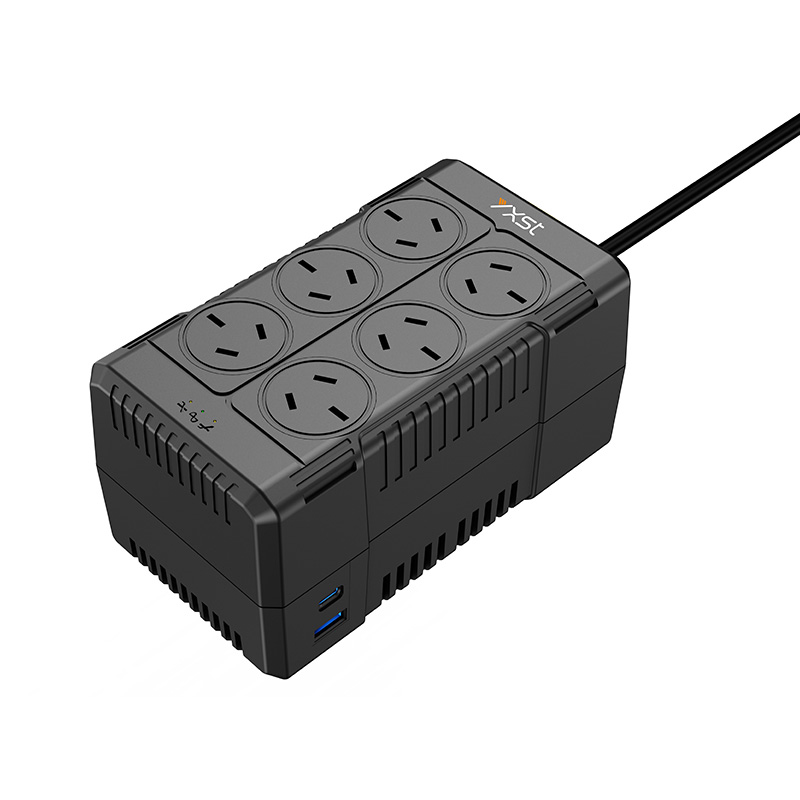
At Yixing, we develop voltage stabilizers and AVR products specifically for unstable power environments. This helps our customers provide more effective protection for household appliances and reduce expensive electrical damage.
The second key factor is load capacity.
A stabilizer must match the real power demand of the appliance it protects. If the rated capacity is too low, the product may overheat, trip repeatedly, or lose output stability.
Different home appliances require different solutions. For example:
-
TVs and computers need precise and stable protection
-
refrigerators and freezers need reliable delay protection
-
washing machines need stable operating support
-
air conditioners often require stronger, dedicated protection models
This is why product selection should never be based on price alone. Buyers need to choose according to the real application.
Yixing offers multiple stabilizer and AVR models for different household uses — helping distributors and importers match products more accurately to local market needs.
Another very important point is the protection function.
The best voltage stabilizer for home should do more than regulate voltage. It should also provide protection against:
-
over-voltage
-
under-voltage
-
surges and spikes
-
sudden restart shock after power recovery
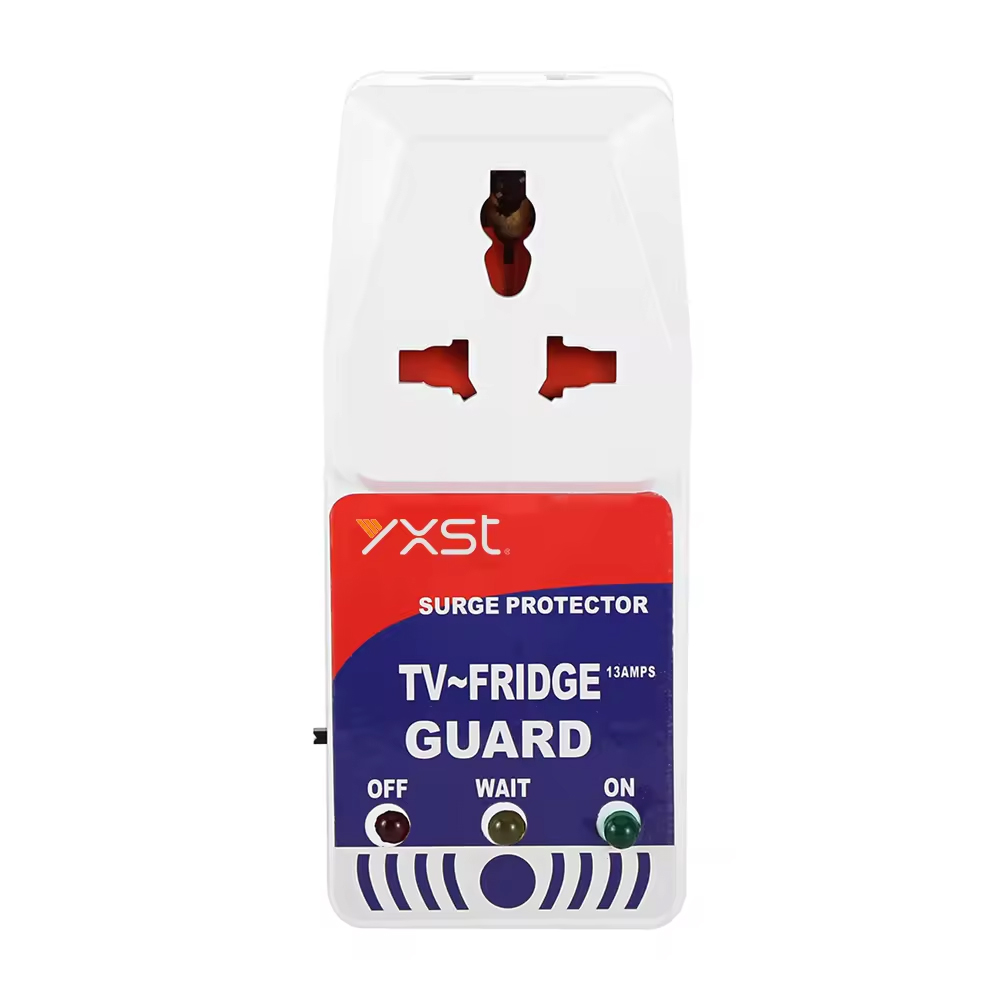
Among these features, delay protection is especially important for refrigerators and air conditioners. Why? Because compressors can be seriously damaged if power returns and the appliance restarts immediately.
A stabilizer with a delay function gives the appliance enough time to balance before reconnecting. This helps extend appliance life and reduce maintenance problems.
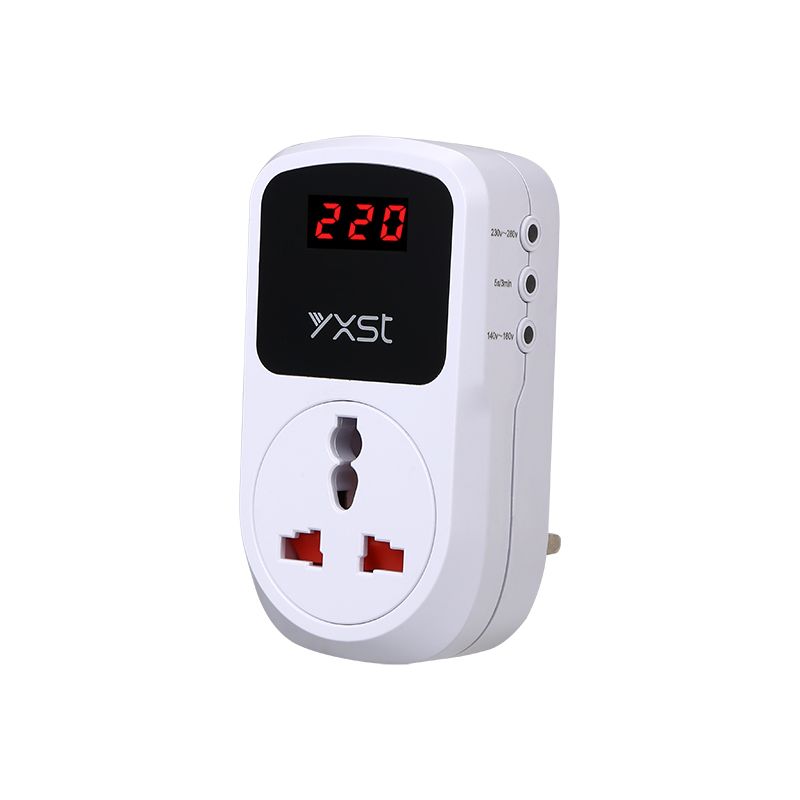
In addition, user-friendly functions also matter — especially in markets where some buyers or end users have limited technical knowledge. Features such as automatic cutoff, real-time voltage display, and clear LED indicators make the product easier to use and easier to sell.
Yixing products are designed with these real market needs in mind — combining protection, practicality, and ease of use.
Build quality is another factor buyers should never ignore.
A low quotation may look attractive at first; however, poor-quality products often lead to bigger hidden costs later, such as:
-
product returns
-
customer complaints
-
damaged appliances
-
weak market reputation
That is why buyers should always ask whether the supplier has its own production system and quality control process.
A manufacturer with in-house capabilities — such as SMT mounting, reflow soldering, wave soldering, injection molding, assembly, and final inspection — can usually provide more stable quality than a supplier that mainly depends on outsourcing.
Yixing has complete in-house manufacturing lines and internal quality control, which helps ensure consistent product performance, stable supply capacity, and on-time delivery for overseas buyers.
Certification is also essential.
For importers and distributors, a voltage stabilizer is not only a product — it is also a reflection of safety, reliability, and market trust.
Reliable suppliers should provide products made under recognized quality systems and supported by valid certifications. Yixing is ISO9001 certified, and many of our products meet CE requirements.
This gives buyers stronger confidence when entering quality-sensitive markets and helps reduce concerns about certification authenticity and compliance risk.
Finally, buyers should also consider customization capability.
Different countries require different plug types, voltage standards, packaging styles, and branding needs. A supplier with OEM/ODM capability can help buyers adapt faster to local demand and build a stronger competitive position.
Yixing supports customized solutions for UK, EU, US, and AR plug types, as well as customized voltage options, logo printing, packaging design, and function adjustment.
For wholesalers, distributors, and private-label buyers, this flexibility is a real advantage — especially when serving multiple markets.
In the end, the best voltage stabilizer for home is not simply the cheapest one. It is the one that offers the right capacity, wide input range, strong protection, stable quality, and reliable factory support.
Choose a voltage stabilizer based on protection, quality, and market fit — not price alone.

 English
  Español
  Deutsch
  Français
  Italiano
  Português