
The Ultimate Guide to Overvoltage and Undervoltage Protection
Unstable electricity damages appliances silently. Overvoltage burns circuits, undervoltage overheats motors, and failures cause costly downtime. Reliable voltage protection stops damage before it starts.
Overvoltage and undervoltage protection works by monitoring incoming power and automatically disconnecting electricity when voltage exceeds safe limits. Using voltage protectors or automatic voltage regulators (AVR) protects appliances, extends service life, reduces repair costs, and prevents sudden failure in unstable power environments.
Keep reading to understand how voltage problems occur, why protection is critical, and which solutions fit different applications.
Table of Contents
Toggle⚡ What Is Overvoltage and Undervoltage?
Overvoltage happens when supplied voltage rises above safe operating limits.
✔ Common causes include lightning, grid switching, generator instability, and sudden load changes.
✔ Even short spikes can burn PCBs, damage control boards, and destroy compressors.
Undervoltage occurs when voltage drops below required levels.
✔ Motors and compressors draw higher current to compensate.
✔ This leads to overheating, insulation damage, and early failure.
In many developing regions, both conditions occur daily, making voltage protection essential rather than optional.
🚨 Why Voltage Fluctuations Are So Dangerous
Voltage problems often cause hidden damage, not instant failure.
• Refrigerators may run normally for months before compressors fail
• Air conditioners suffer repeated startup stress
• TVs and electronics experience gradual circuit degradation
For importers and distributors, this creates:
-
❌ Increased warranty claims
-
❌ Customer complaints
-
❌ Brand reputation damage
The root cause is often unstable power—not product quality.
🔌 How Overvoltage and Undervoltage Protection Works
Modern voltage protection devices provide real-time voltage monitoring.
When voltage is unsafe:
-
🔺 Overvoltage → power cuts off immediately
-
🔻 Undervoltage → power cuts off to prevent overload
When voltage stabilizes:
-
⏳ Delay restart function reconnects power safely
-
🧊 Prevents compressor short cycling
-
🧠 Reduces mechanical and electrical stress
Additional features include:
-
LED or digital voltage display
-
Automatic reset
-
Compact plug-and-play installation
These features are especially important for users with limited technical knowledge.
🔄 Voltage Protectors vs. Automatic Voltage Regulators (AVR)
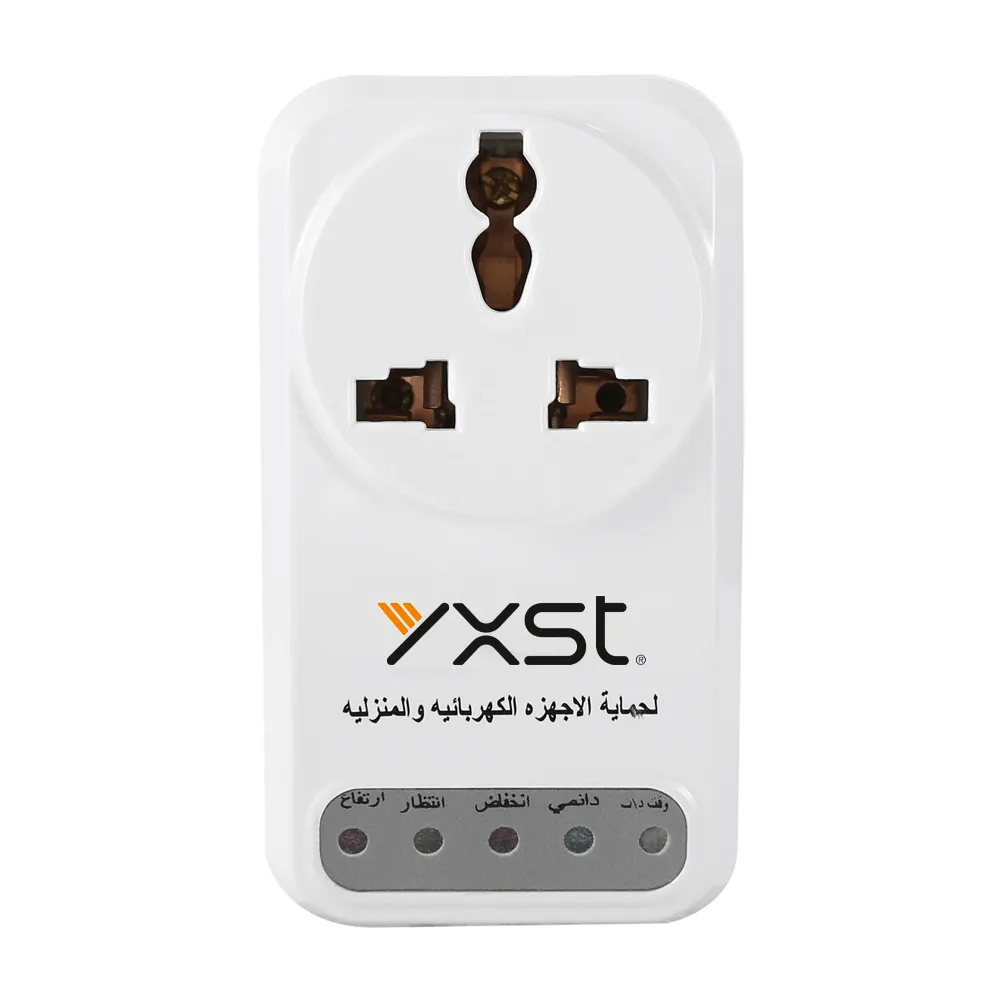
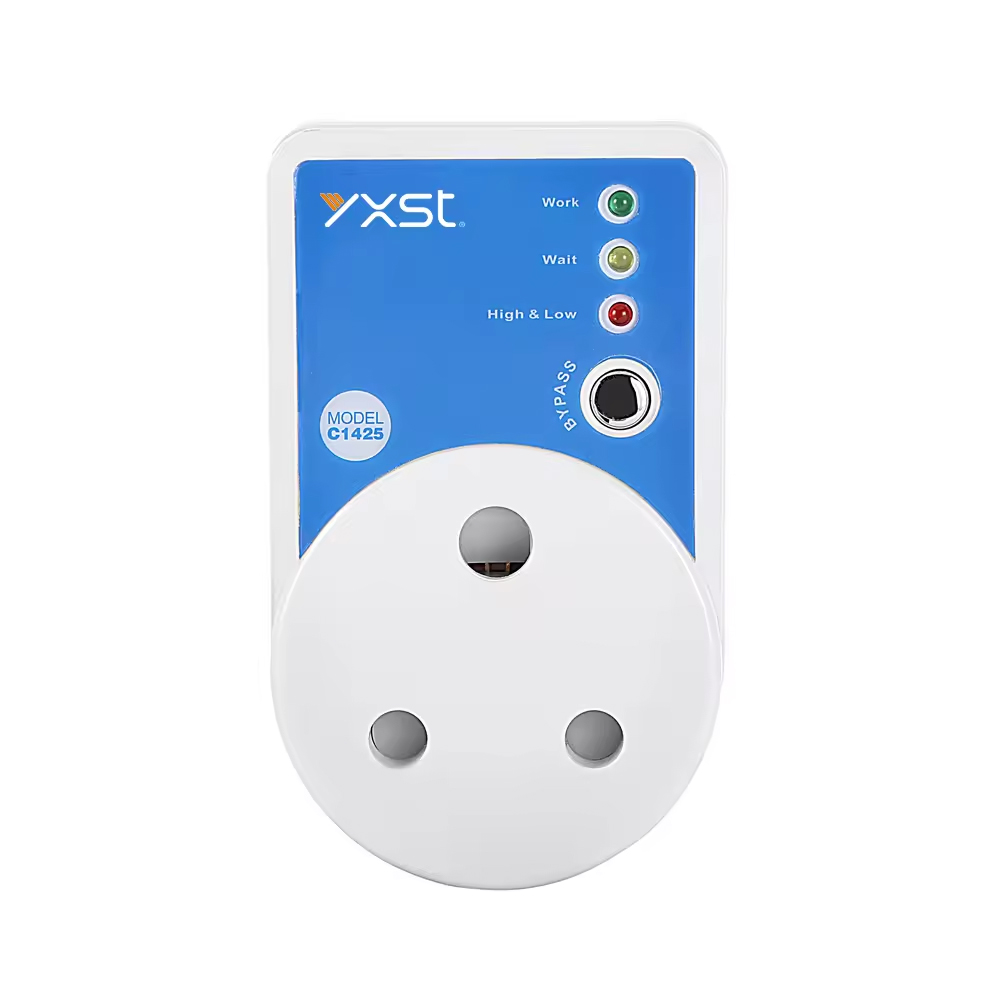
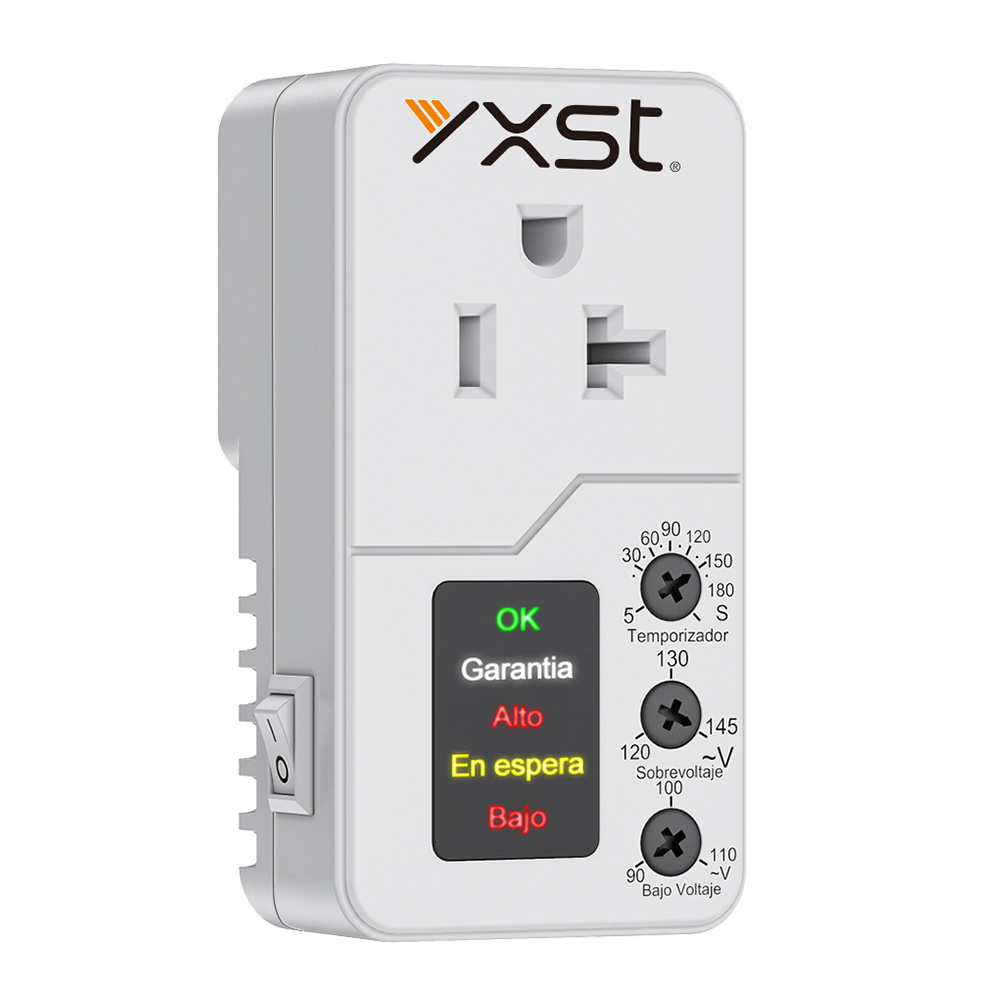
Voltage Protectors
-
✔ Cut power during unsafe voltage
-
✔ Cost-effective and easy to install
-
✔ Ideal for single appliances (TVs, refrigerators, air conditioners)
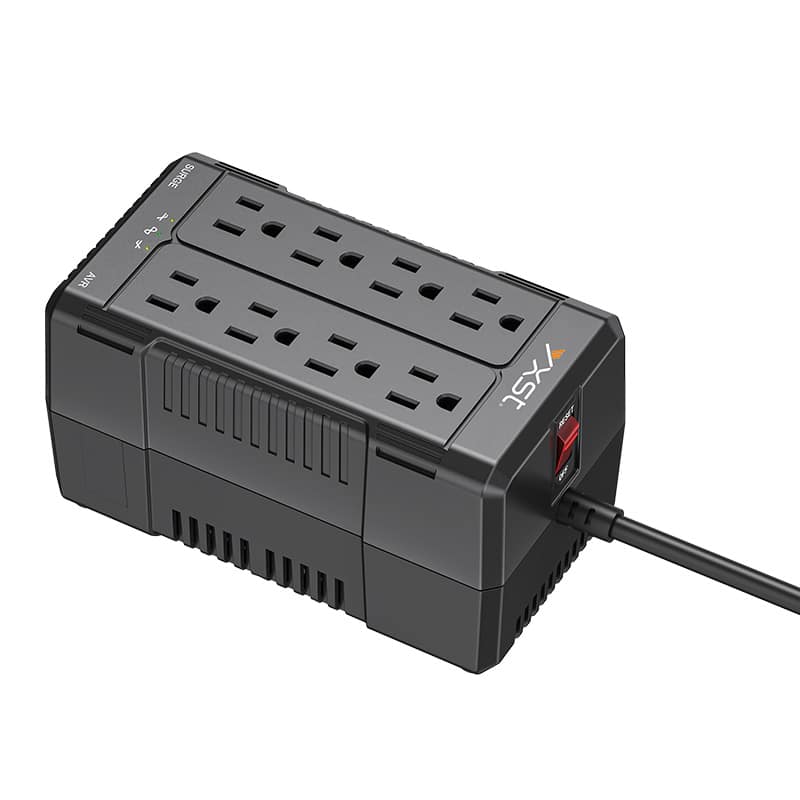
Automatic Voltage Regulators (AVR)
-
✔ Actively stabilize voltage output
-
✔ Wide input range (e.g. 90–260V)
-
✔ Suitable for multiple devices or full-house protection
💡 Many distributors successfully sell both solutions to cover different customer needs and budgets.
🏠 Key Applications in Unstable Power Regions
Household appliances
-
Refrigerators
-
Freezers
-
Air conditioners
-
Washing machines
Small businesses
-
Retail shops
-
Internet cafés
-
Repair centers
These appliances represent high-value investments, and protection devices offer strong perceived value with low selling resistance.
🏭 What to Look for in a Reliable Voltage Protection Supplier
When sourcing voltage protection products, buyers should prioritize:
✔ CE & ISO9001 certification
✔ 100% product testing
✔ Stable monthly production capacity
✔ Multiple plug options (US / EU / UK / AR)
✔ 110–240V voltage customization
✔ OEM / ODM branding support
Suppliers with in-house SMT, injection molding, assembly, and QC deliver more consistent quality and on-time shipments.
📈 Why Voltage Protection Is a Strong Business Opportunity
Voltage protection products solve a clear and urgent problem.
For distributors and wholesalers:
-
💰 High demand and repeat orders
-
💰 Strong margins
-
💰 Low after-sales risk
For end users:
-
🛡 Appliance safety
-
🛡 Lower repair costs
-
🛡 Longer equipment lifespan
As electricity demand grows in unstable-grid regions, voltage protection will remain a necessity, not a luxury.
Overvoltage and undervoltage protection keeps appliances safe, reduces losses, and creates long-term value for both sellers and users.
 English
  Español
  Deutsch
  Français
  Italiano
  Português