
Should You Choose a Voltage Protector or Surge Protector for Your Appliances?
Unstable electricity damages appliances, leading to costly repairs or replacements. Choosing the wrong protection makes it worse. This guide helps you select the right device.
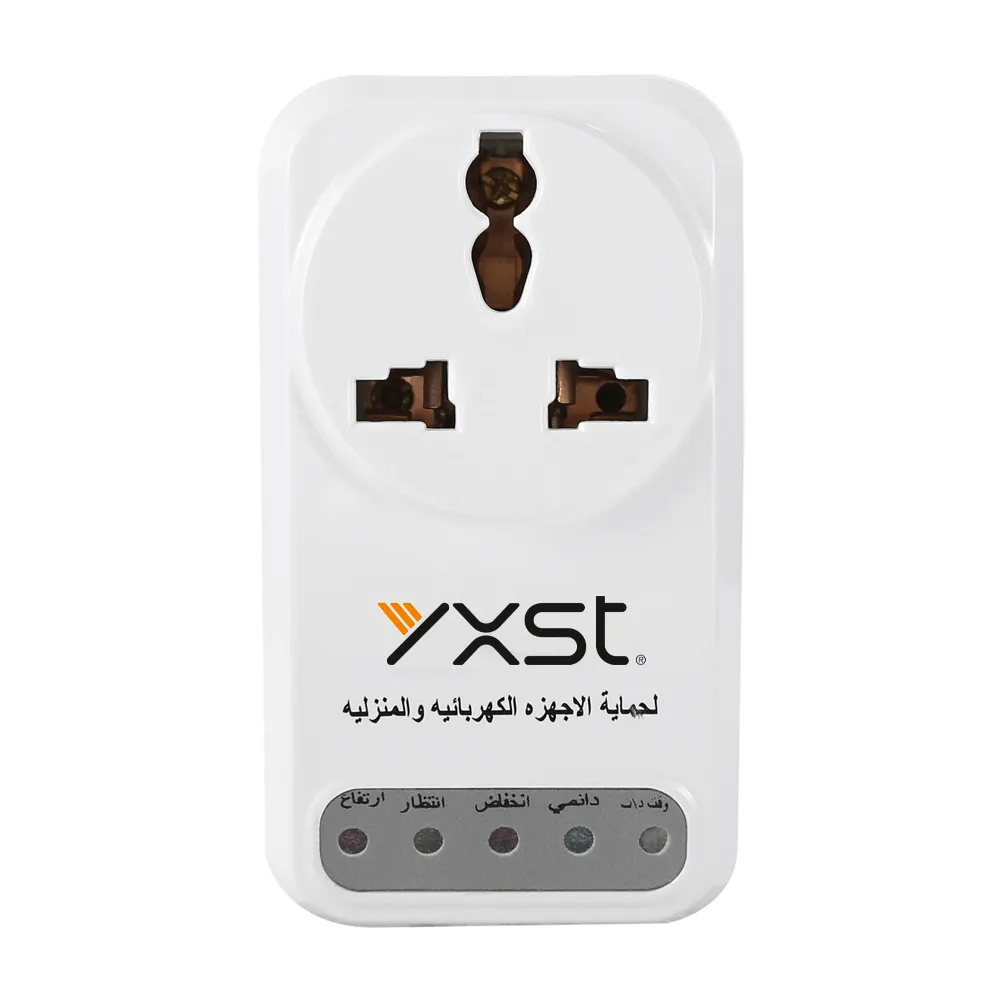
A voltage protector guards appliances against overvoltage and undervoltage by cutting off power outside safe limits, while a surge protector absorbs short, high-energy spikes. Appliances in unstable grids need voltage protectors; areas with lightning or switching spikes need surge protectors. The key decision depends on whether voltage fluctuation or sudden surge is the main risk.
Below, we break down definitions, selection criteria, risks, and real-world buying comparisons.
Table of Contents
ToggleDefinition & Scope
What Is a Voltage Protector?
A voltage protector is an electrical safety device that disconnects power when voltage exceeds or drops below preset thresholds.
Its main function is preventing long-duration overvoltage or undervoltage damage to appliances.
It does not absorb lightning surges or regulate voltage output continuously.
What Is a Surge Protector?
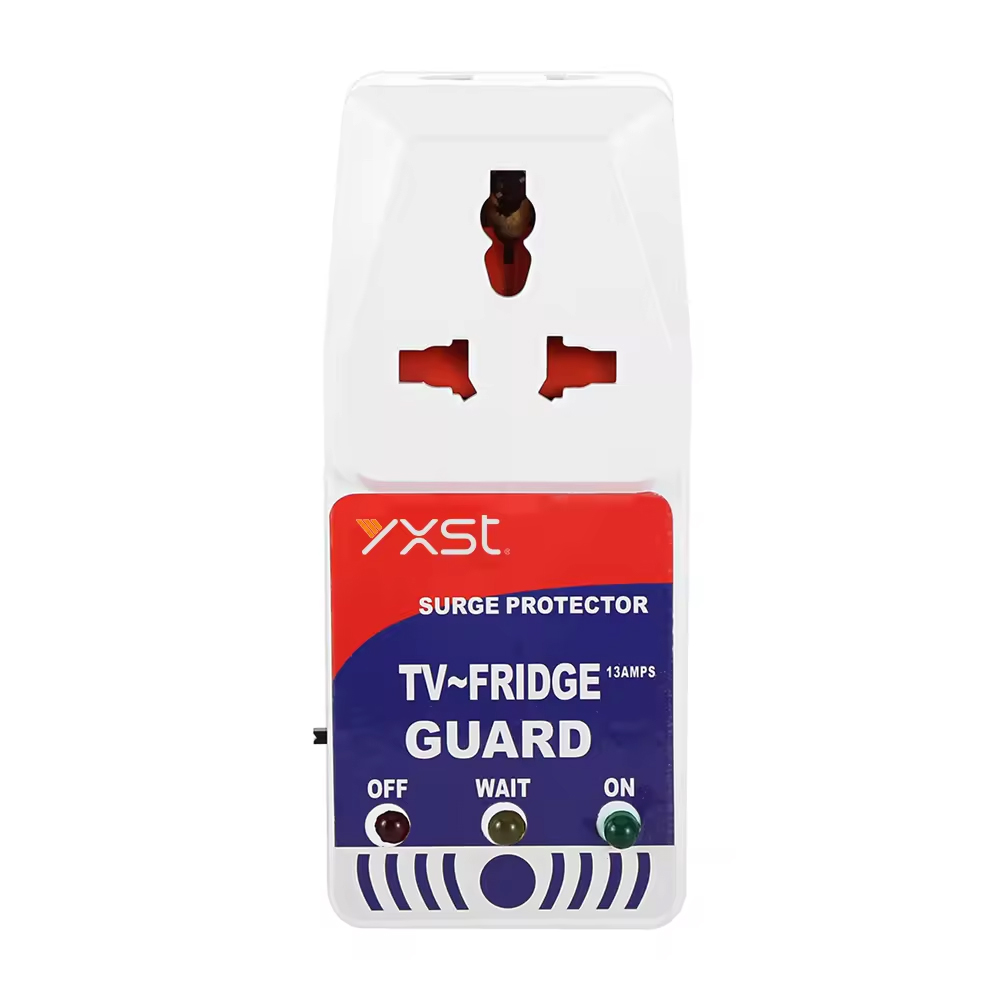
A surge protector is a device designed to divert or absorb transient voltage spikes.
Its main role is protecting electronics from short, high-energy surges.
It does not disconnect power during prolonged high or low voltage conditions.
Who Should Choose This Option?
Voltage Protector
-
Homes in regions with frequent high/low voltage fluctuations
-
Refrigerators, air conditioners, freezers, and compressors
-
Markets with unstable power grids (e.g., developing regions)
Surge Protector
-
Areas with frequent lightning or power switching surges
-
TVs, computers, routers, and sensitive electronics
-
Locations with generally stable voltage levels
Who Should Avoid This Option?
-
Surge protectors in areas with chronic low/high voltage
-
Voltage protectors where lightning surge risk is the primary threat
Key Evaluation Factors
Factor 1: Type of Electrical Risk
-
Why it matters: Different risks require different protection principles.
-
How to verify: Check local grid stability and outage history.
-
Common mistake: Assuming surge protectors handle voltage fluctuation.
Factor 2: Appliance Power Rating
-
Why it matters: Underrated devices may fail or overheat.
-
How to verify: Match amperage (e.g., 30A for air conditioners).
-
Common mistake: Using general-purpose protectors for high-power loads.
Factor 3: Protection Response Mechanism
-
Why it matters: Cutoff vs. absorption determines damage prevention.
-
How to verify: Review product specs (cutoff range, joule rating).
-
Common mistake: Focusing only on price, not protection logic.
Risks and How to Reduce Them
-
Wrong device type → Assess voltage stability before purchasing
-
Inadequate power rating → Select models designed for appliance load
-
False certifications → Work with compliance-focused manufacturers
Comparison with Alternatives
| Item | Voltage Protector | Surge Protector | AVR (Stabilizer) |
|---|---|---|---|
| Cost | Low–Medium | Low | Medium–High |
| MOQ | Flexible | Flexible | Higher |
| Lead Time | Short | Short | Medium |
| Compliance | CE, ISO | CE | CE, ISO |
| OEM Ability | Strong | Moderate | Strong |
Common Real-World Mistakes
-
Using surge protectors for refrigerators in unstable grids
-
Ignoring delay-restart features for compressors
-
Mixing uncertified products with certified appliances
Why Experienced Buyers Prefer Structured Suppliers
-
Clear communication process
-
Compliance-first mindset
-
Stable production and QC systems
Final Summary
Choose voltage protectors for unstable grids and surge protectors for lightning spikes—risk type determines the correct solution.


 English
  Español
  Deutsch
  Français
  Italiano
  Português