
Why Don’t PC Power Supplies Have Built-In Surge Protection?
Power surges silently damage expensive PC components, causing unexpected failures and costly replacements. External surge protection offers a safer, more reliable solution for long-term equipment safety.
Most PC power supplies include basic protection circuits such as over-voltage, over-current, and short-circuit protection, but they are not designed to absorb powerful external electrical surges caused by lightning or unstable power grids. Dedicated surge protectors provide stronger surge suppression, better equipment protection, and longer service life, especially in regions with unstable electricity.
Understanding why PC power supplies rely on external surge protection helps buyers choose the right electrical safety solution for every application.
Understanding the Difference Between Internal Protection and Surge Protection
Many users assume that because a PC power supply includes multiple protection functions, it can completely protect the computer from every electrical problem. In reality, internal protection circuits and dedicated surge protection perform different tasks.
A modern power supply mainly protects itself and connected components from abnormal operating conditions. It monitors voltage, current, temperature, and short circuits inside the power supply. However, when a high-energy surge enters through the electrical grid, the internal components may not be capable of safely dissipating that sudden energy.
This is why manufacturers typically recommend using external surge protection devices alongside quality power supplies.
What Protection Functions Are Already Built into PC Power Supplies?
Most reputable PC power supplies include several important safety mechanisms:
-
Over Voltage Protection (OVP)
-
Under Voltage Protection (UVP)
-
Over Current Protection (OCP)
-
Over Power Protection (OPP)
-
Short Circuit Protection (SCP)
-
Over Temperature Protection (OTP)
These features protect the power supply during abnormal operating conditions.
For example, if the output voltage rises beyond a safe level, the power supply automatically shuts down to prevent damage. Likewise, if excessive current flows because of a fault, protective circuits disconnect the power.
Although these protections greatly improve reliability, they are not intended to absorb large external surge energy.
What Is a Power Surge?
A power surge is a sudden spike in electrical voltage that lasts from microseconds to milliseconds. Despite its short duration, the energy can be extremely destructive.
Common causes include:
-
Lightning strikes
-
Utility grid switching
-
Large industrial equipment starting or stopping
-
Generator transitions
-
Faulty electrical wiring
-
Power restoration after outages
Even relatively small surges can gradually weaken electronic components over time, shortening their lifespan.
Why Don’t Manufacturers Build Strong Surge Protection into Every Power Supply?
There are several practical engineering reasons.
1. Cost Control
High-quality surge suppression components increase manufacturing costs. Since many consumers already use surge-protected power strips or UPS systems, adding heavy-duty surge protection inside every power supply would unnecessarily increase product prices.
2. Space Limitations
Modern PC power supplies are compact and densely packed with transformers, capacitors, heat sinks, cooling fans, and control circuitry. Adding larger surge protection components requires additional space that may not be available.
3. Heat Management
Surge protection devices such as Metal Oxide Varistors (MOVs) absorb excess energy by converting it into heat. Integrating larger MOVs inside the power supply can increase thermal stress and complicate cooling system design.
4. Replaceable Protection
External surge protectors are designed to sacrifice themselves after absorbing multiple large surges. Replacing a surge protector is inexpensive compared to replacing an entire computer power supply.
This modular approach simplifies maintenance while reducing repair costs.
Why External Surge Protectors Are More Effective
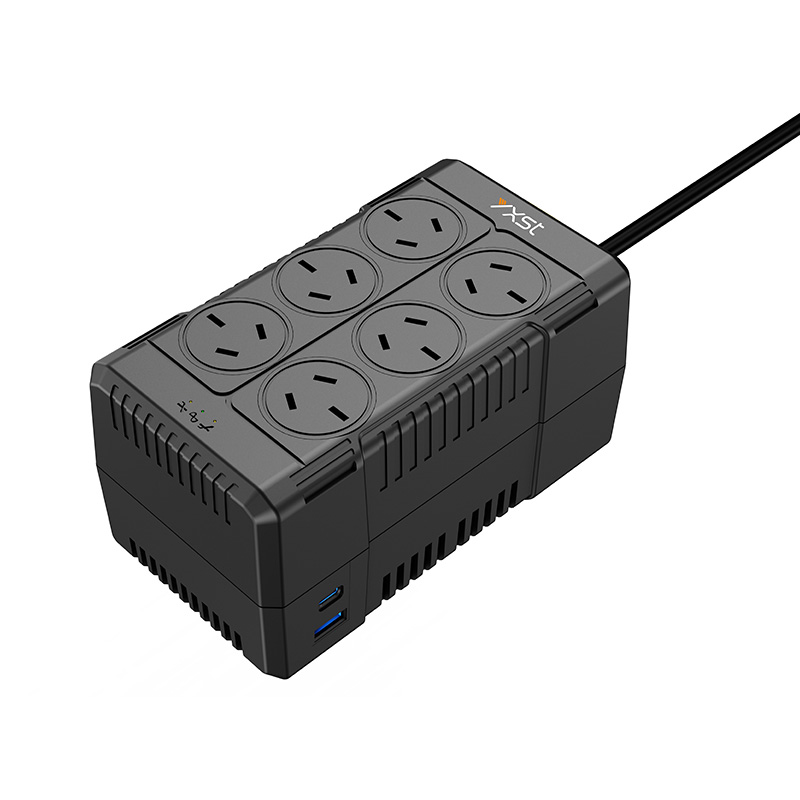
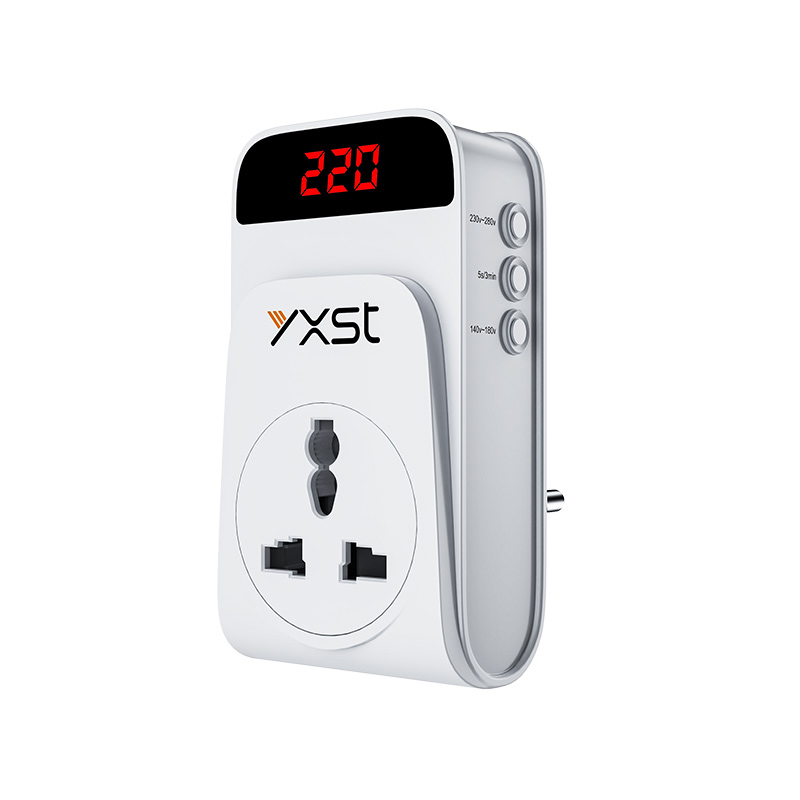
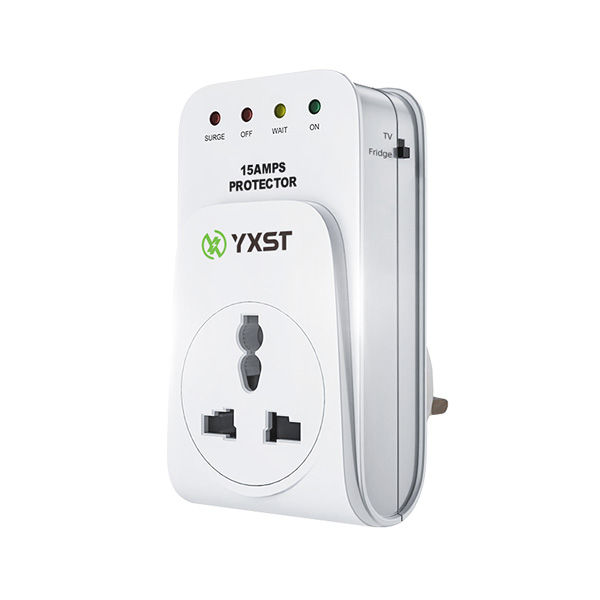
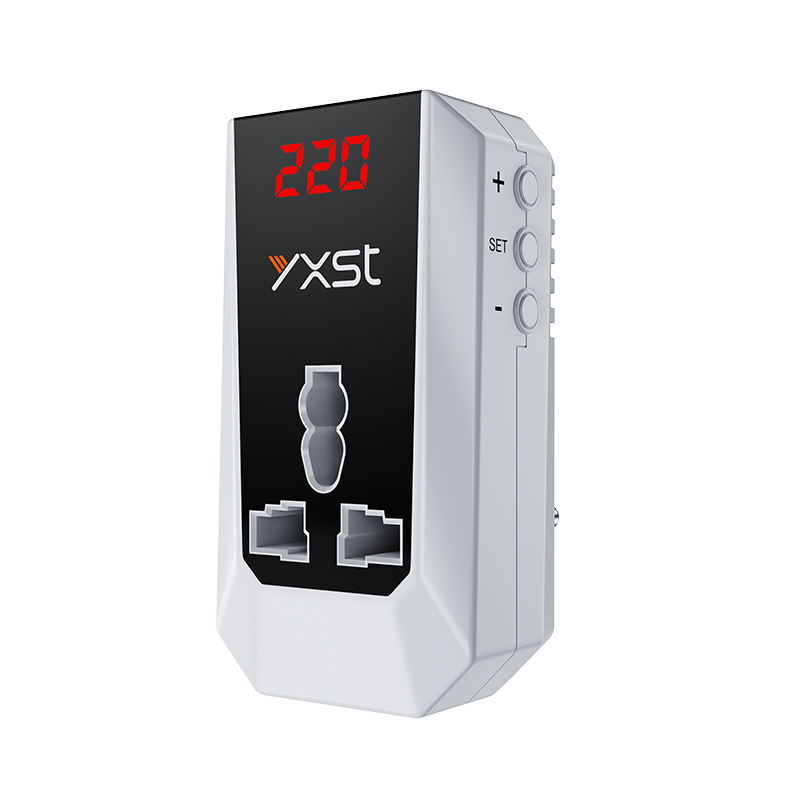
Dedicated surge protectors are specifically engineered to intercept dangerous voltage spikes before they reach sensitive electronics.
High-quality surge protectors typically provide:
-
Faster response time
-
Higher surge current capacity
-
Better energy absorption
-
Multiple protection stages
-
Replaceable protection devices
-
Protection for several connected devices simultaneously
For offices, homes, and commercial environments, one surge protector can safeguard computers, monitors, routers, printers, and other valuable equipment.
The Importance of Surge Protection in Areas with Unstable Power
In many developing countries across Africa, Latin America, Southeast Asia, and the Middle East, unstable electrical grids expose computers and household appliances to frequent voltage fluctuations and surges.
For importers, wholesalers, and electrical distributors serving these markets, supplying reliable surge protection products offers significant value to customers while reducing warranty claims and equipment failures.
Professional manufacturers such as Wenzhou Yixing Electronic Technology Co., Ltd. specialize in voltage protectors, surge protectors, automatic voltage regulators (AVRs), and customized electrical safety solutions. Their products support OEM and ODM services, multiple plug standards, strict quality control, CE certification, and ISO9001-certified manufacturing systems, making them suitable for global electrical safety markets.
Should You Use Both a Quality Power Supply and a Surge Protector?
Absolutely.
A reliable power supply ensures stable power conversion and protects against internal electrical faults, while an external surge protector defends against dangerous voltage spikes entering from the electrical grid.
Using both devices together creates multiple layers of protection, significantly reducing the risk of expensive hardware damage and extending the service life of computers and other electronic equipment.
For businesses purchasing computer equipment in bulk, this combination also lowers long-term maintenance costs and improves operational reliability.
Reliable power protection combines quality power supplies with dedicated surge protection for maximum equipment safety and longer service life.
 English
  Español
  Deutsch
  Français
  Italiano
  Português