
What differentiated protection measures does voltage protector have for different types of electrical appliances?
The protection measures of voltage protectors for different electrical appliances need to be designed differently in combination with the characteristics of the equipment (such as power, sensitivity, operating mode, etc.). The following are specific classifications and protection strategies:
Protection measures classified by electrical appliance type
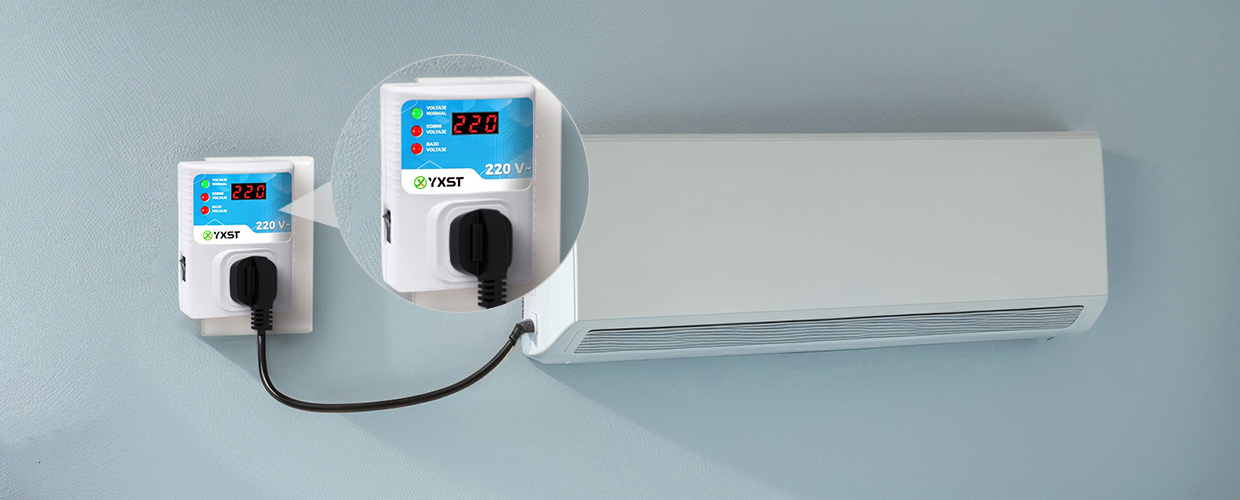
Motor appliances (refrigerators, air conditioners, water pumps, etc.)
Core risks: low-voltage startup leads to stalling and coil overheating.
Protection strategy:
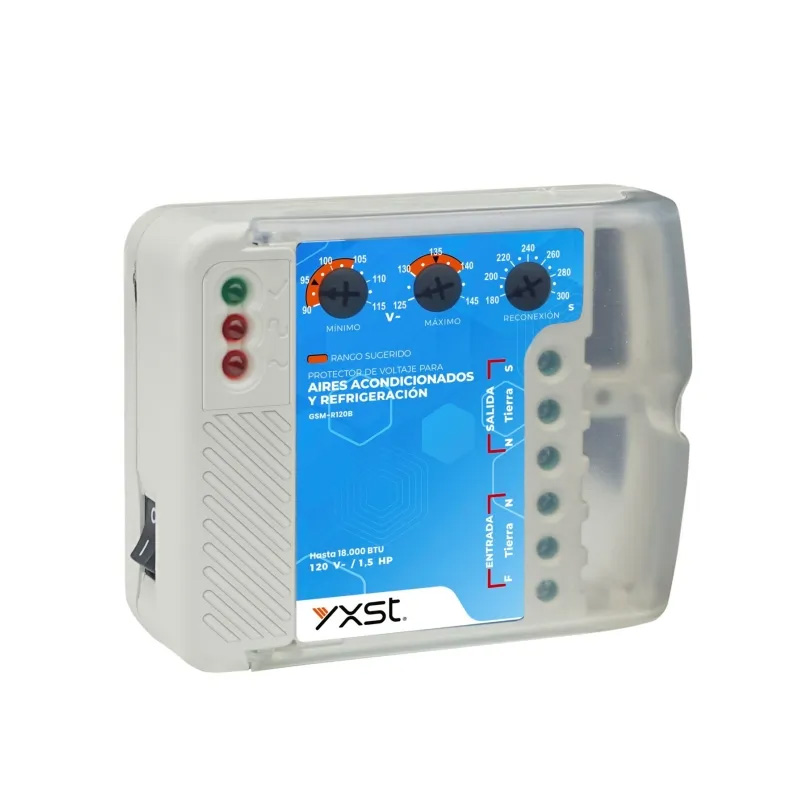
Delayed restart: delay 5s/180s to power on after Undervoltage recovery to avoid instantaneous motor overload (such as Fridge Guard).
Voltage range lock: set the action threshold (such as <180V cut off, >260V recovery) to prevent frequent start and stop.
Current monitoring: additional detection of whether the current exceeds the standard (current surges during stalling), double protection.
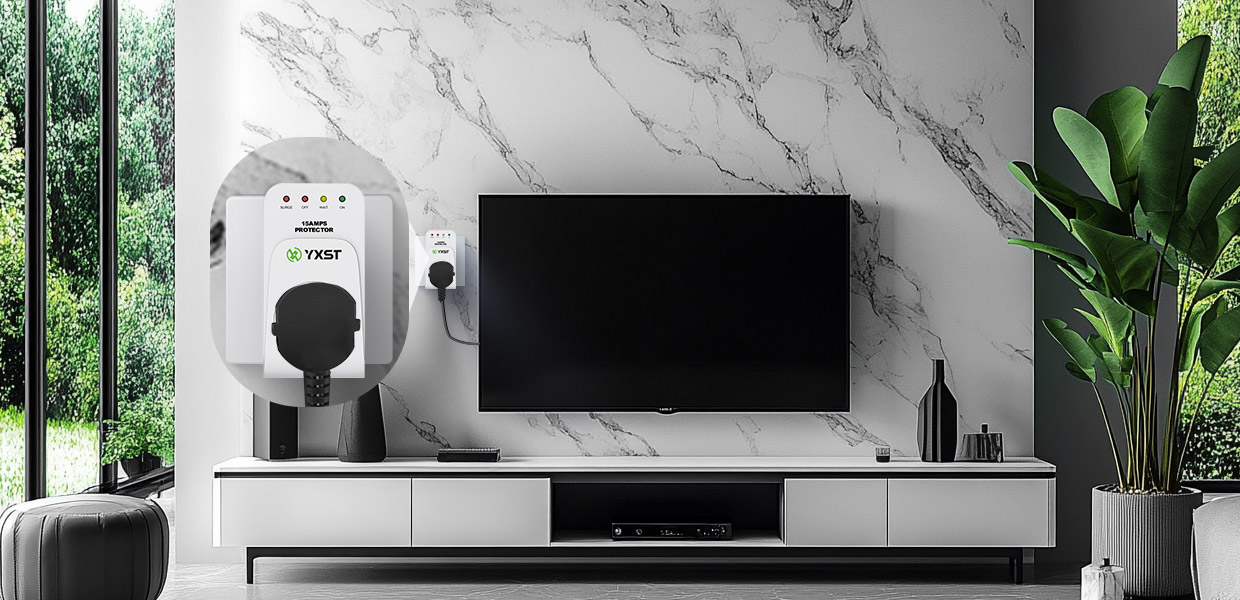
Electronic equipment (TV, computer, router)
Core risk: voltage fluctuations damage the power module or motherboard chip.
Protection strategy:
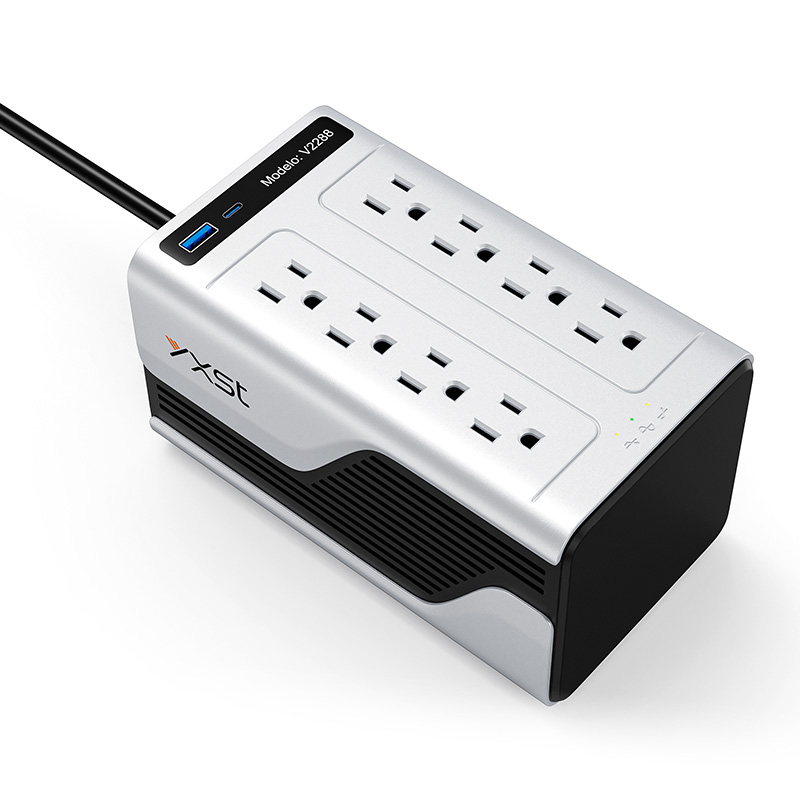
Quick cut-off: short response time (such as Volt Guard) to prevent transient low-voltage shocks.
Overvoltage linkage protection: Suppress high voltage (such as >280V) and low voltage at the same time, because electronic equipment is sensitive to bidirectional fluctuations.
Filtering function: Integrated EMI filter to eliminate harmonic interference in voltage distortion.
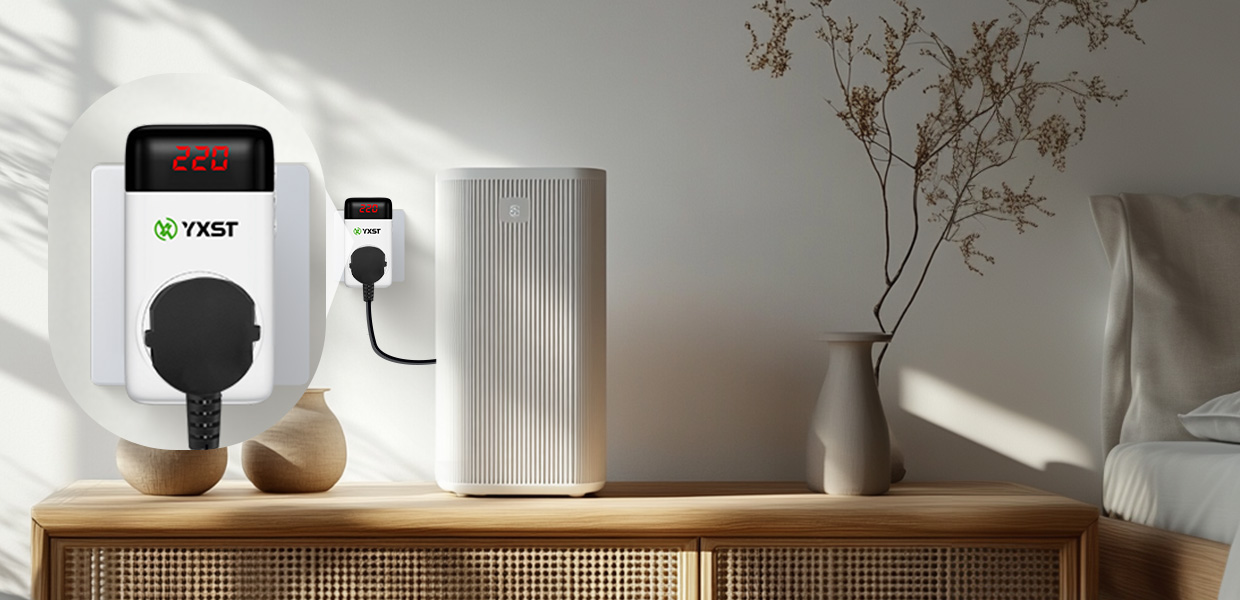
Heating appliances (oven, electric heater)
Core risk: Low voltage leads to reduced heating efficiency and a surge in power consumption during long-term operation.
Protection strategy:
Power limitation: Automatically reduce power operation (such as limiting 70% power when the voltage is lower than 200V).
Temperature feedback protection: Equipped with a temperature control probe to prevent overheating due to low voltage (such as insufficient heat dissipation of electric heating pipes).
Differentiated designs based on protector function
| Protector type | Applicable electrical appliances | Key technologies | Representative Products |
| Delayed restart type | Refrigerators, air conditioners | Time relay + voltage detection | Fridge Guard |
| Quick cut-off type | TVs, computers | Solid-state relay (SSR) + high-speed comparator | Volt Guard |
| Voltage stabilization compensation type | Medical equipment, laboratory instruments | Servo motor voltage regulator or PWM control | UPS/Voltage Regulator |
Special scenario protection scheme
Multiple electrical appliances in a parallel circuit
Problem: The total power exceeds the limit, causing the protector to malfunction.
Solution:
Hierarchical protection: The main protector monitors the total voltage, and the branch protector sets the threshold according to the type of appliance (such as independent protection of the kitchen circuit).
Priority cut-off: Non-critical appliances (such as lighting) are cut off first to ensure the operation of equipment such as refrigerators.
High altitude/high-temperature environment
Problem: The air is thin and the heat dissipation is poor, so the protector needs to be used at a reduced rating.
Solution:
Temperature compensation: Adjust the action threshold according to the ambient temperature (such as a 5% increase at 40°C).
Enhanced heat dissipation: The metal shell protector is equipped with heat dissipation fins.
User selection suggestions
Home users:
For motor appliances, choose a delayed restart type (such as Fridge Guard).
For electronic devices, choose a fast cut-off type (such as Volt Guard).
Industrial users:
Precision equipment is equipped with online UPS+DVR dual protection.
The motor group uses a combination of inverter + voltage compensator.
Through differentiated protection measures, voltage protectors can maximize equipment life and reduce the risk of failure. When selecting, be sure to match the electrical characteristics and usage environment.

 English
  Español
  Deutsch
  Français
  Italiano
  Português