
Voltage Protector vs Surge Protector: Five Key Differences
⚠️ Unstable electricity silently destroys appliances, leading to high replacement costs and business losses. Choosing the wrong protection device increases risks. Understanding voltage protectors versus surge protectors ensures correct, cost-effective electrical safety.
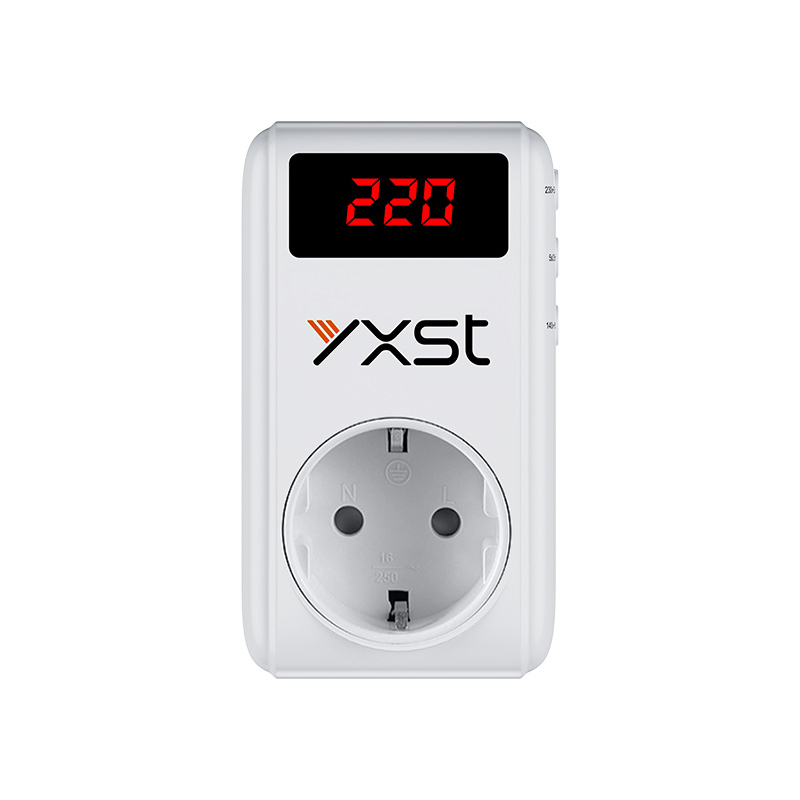
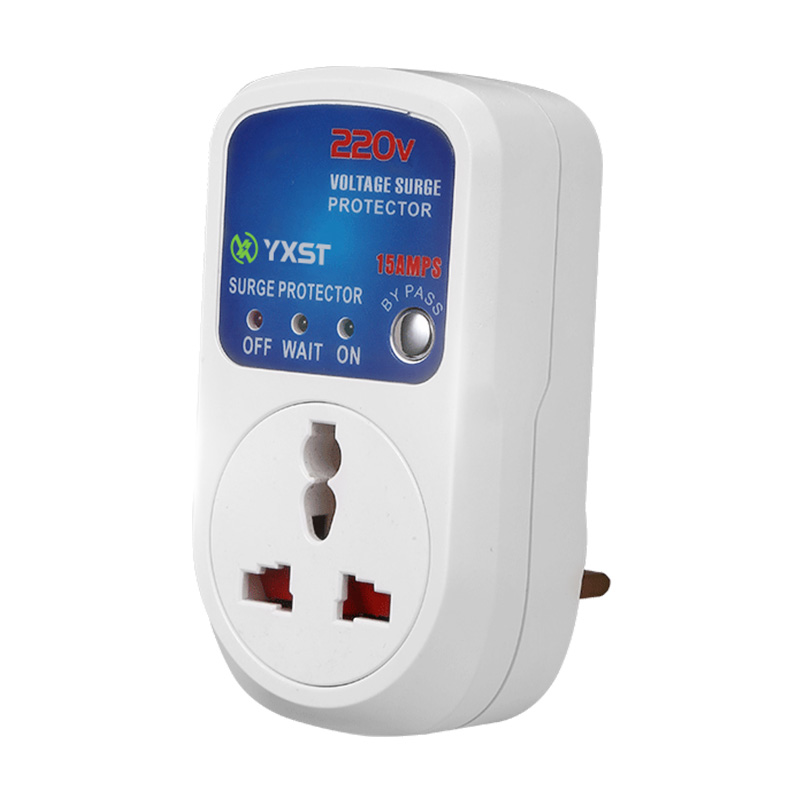
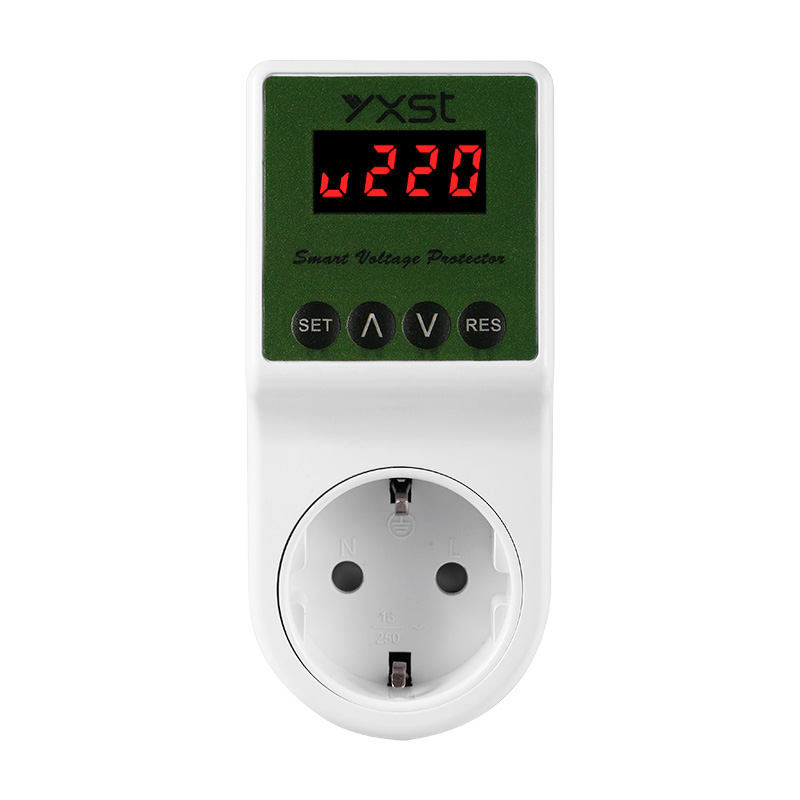
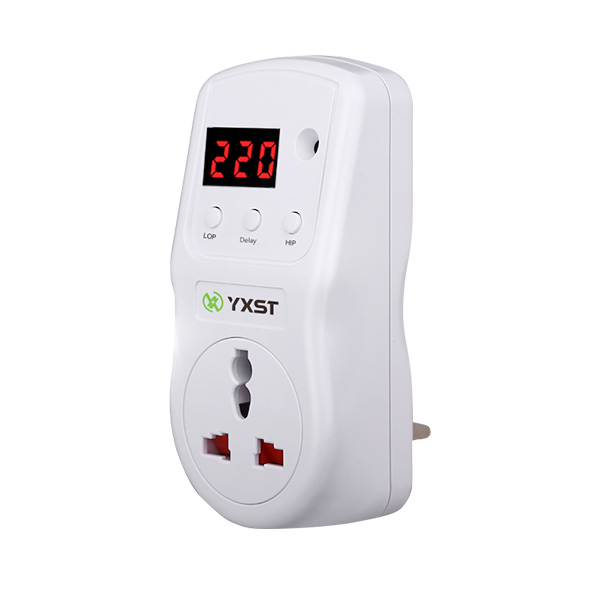
Voltage protectors and surge protectors serve different purposes in power protection systems. Voltage protectors guard appliances against over-voltage, under-voltage, and long-term fluctuations, while surge protectors mainly suppress short, high-energy spikes caused by lightning or switching events. Selecting the right device depends on grid stability, appliance sensitivity, and application environment.
👉 Many buyers confuse these two devices, but understanding their differences helps importers and distributors make smarter sourcing decisions.
Table of Contents
Toggle🔍 Difference 1: Type of Electrical Problem They Handle
Surge Protectors
-
⚡ Designed for sudden, high-voltage spikes
-
Common causes:
-
Lightning strikes
-
Power grid switching
-
Large equipment start/stop
-
-
Spike duration: microseconds
-
Function: Clamp and divert excessive voltage instantly
Voltage Protectors
-
🔌 Designed for continuous voltage abnormalities
-
Typical issues:
-
Over-voltage
-
Under-voltage
-
Long-term fluctuation
-
-
Action: Automatically disconnect power when voltage is unsafe
📌 In many regions across Africa, Latin America, and Southeast Asia, long-term voltage instability is more damaging than short surges.
⏱ Difference 2: Protection Duration and Logic
Surge Protectors
-
Event-based protection
-
Internal components absorb energy once per surge
-
Protection capacity degrades over time
-
Often no visible failure indication
Voltage Protectors
-
🧠 Intelligent, real-time voltage monitoring
-
Automatically:
-
Cut off power during abnormal voltage
-
Reconnect after voltage stabilizes
-
-
Include delay restart to protect compressors and motors
✔ Ideal for refrigerators, air conditioners, and freezers with long operating cycles.
🏠 Difference 3: Suitable Application Scenarios
Surge Protectors are suitable for:
-
Areas with relatively stable grids
-
Frequent lightning or switching surges
-
Typical applications:
-
Computers
-
TVs
-
Routers
-
Office electronics
-
Voltage Protectors are essential for:
-
Regions with weak or unstable power infrastructure
-
Voltage range swings (e.g. 150V–260V)
-
Appliances with motors and compressors:
-
Refrigerators
-
Air conditioners
-
Washing machines
-
⚠️ A surge protector alone cannot prevent damage caused by low voltage overheating.
⚙️ Difference 4: Internal Structure and Components
Surge Protector Structure
-
Key components:
-
MOVs (Metal Oxide Varistors)
-
Gas discharge tubes
-
-
Advantages:
-
Extremely fast response
-
-
Limitations:
-
Components degrade after repeated surges
-
Voltage Protector Structure
-
Core components:
-
Microcontroller
-
Voltage detection circuit
-
Heavy-duty relay
-
-
Advantages:
-
Accurate voltage sensing
-
Mechanical durability
-
Long service life
-
🔧 Designed for frequent voltage fluctuation environments.
💰 Difference 5: Long-Term Cost and Business Value
Surge Protectors
-
Lower unit cost
-
Simple structure
-
Higher risk of:
-
Customer complaints
-
Misuse expectations
-
Voltage Protectors
-
Higher perceived value
-
Stronger demand in unstable-grid markets
-
Business advantages:
-
Lower appliance failure rates
-
Higher customer satisfaction
-
Better margins for distributors
-
Strong OEM customization potential
-
📈 Ideal for long-term brand building and repeat orders.
🧭 How to Choose the Right Product for Your Market
✔ Choose Voltage Protectors if your market experiences:
-
Frequent low voltage
-
Power drops
-
Daily voltage instability
✔ Choose Surge Protectors if your market mainly faces:
-
Lightning surges
-
Switching spikes
🔗 Many professional suppliers now offer combined solutions, integrating:
-
Surge suppression
-
Over-/under-voltage protection
This approach is increasingly popular in developing markets.
🏭 Why Professional Manufacturing Matters
Regardless of product type, quality determines real protection.
Key manufacturing requirements:
-
Accurate voltage detection
-
Certified components
-
Reliable relays
-
100% testing before shipment
For B2B buyers, factories with OEM plug types, voltage ranges, and certifications ensure regulatory compliance and stable supply capacity.
✅ Choosing the right protection device reduces losses, protects appliances, and builds long-term trust between suppliers, distributors, and end users.
 English
  Español
  Deutsch
  Français
  Italiano
  Português