
VOLTAGE PROTECTOR 220V
Unstable 220V power can damage appliances, increase warranty claims, and destroy customer trust. A reliable voltage protector prevents these costly problems.
A voltage protector 220V automatically disconnects appliances when input voltage becomes dangerously high or low. Once electricity returns to a safe range, the built-in delay function restores power, protecting refrigerators, televisions, freezers, washing machines, computers, pumps, and air conditioners from repeated electrical damage.
Learn how the product works, which features matter, and how to select a dependable manufacturer.
What Is a Voltage Protector 220V?
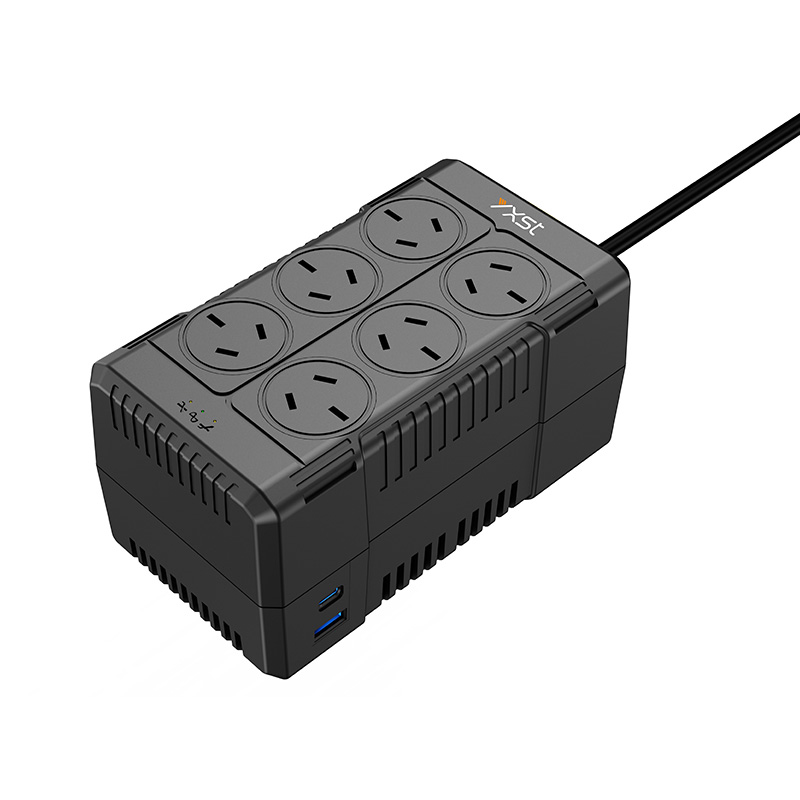
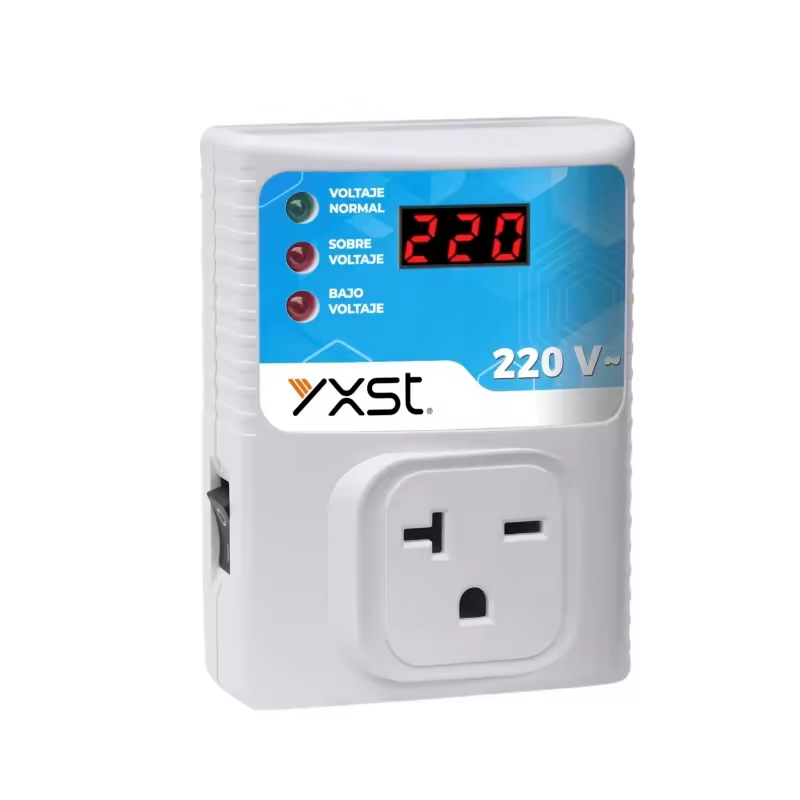
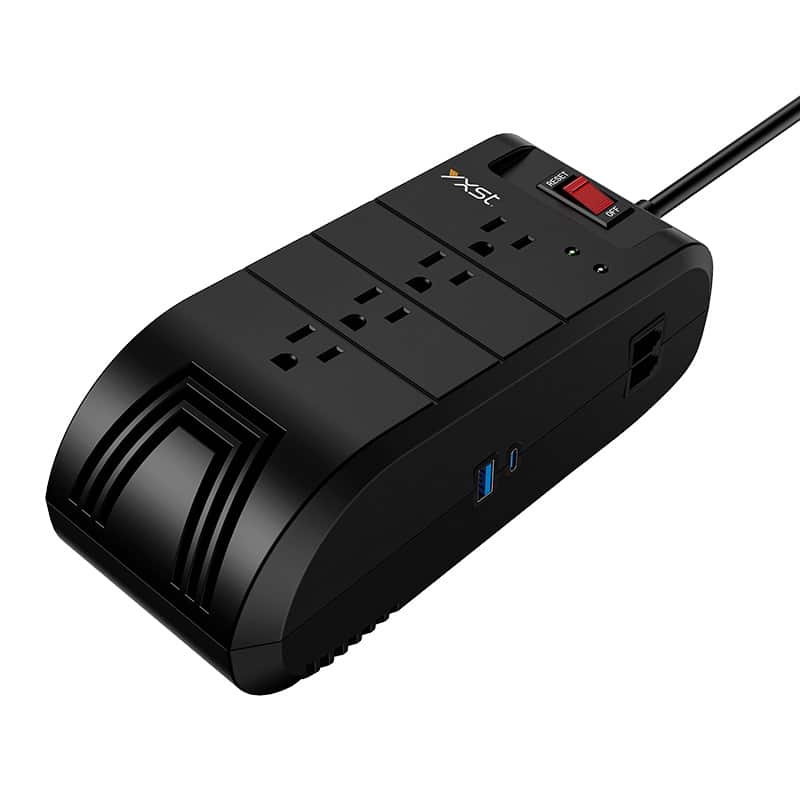
A voltage protector 220V is an electrical safety device designed for countries and regions using a nominal 220V power supply.
It continuously monitors incoming voltage and automatically disconnects the connected appliance when the voltage exceeds the preset high-voltage limit or falls below the low-voltage limit.
When the power supply returns to a safe range, the protector waits for a programmed delay period before reconnecting the appliance.
This operating process includes three main steps:
-
Real-time voltage monitoring
-
Automatic high- or low-voltage cutoff
-
Delayed power reconnection
The delay function is especially important for appliances with compressors, including refrigerators, freezers, and air conditioners.
Restarting a compressor immediately after a power interruption may cause pressure imbalance, overheating, excessive current, and premature component failure. A delayed restart gives the compressor enough time to stabilize before electricity is restored.
Why 220V Markets Need Voltage Protection
In many parts of Africa, Latin America, the Middle East, Southeast Asia, and South Asia, voltage fluctuation is a common problem.
Frequent power interruptions, weak distribution networks, overloaded transformers, and sudden voltage changes can damage:
-
Refrigerators
-
Televisions
-
Air conditioners
-
Freezers
-
Washing machines
-
Computers
-
Water pumps
-
Microwave ovens
For end users, appliance damage creates expensive repair or replacement costs.
For importers, wholesalers, and retailers, unreliable protection products can lead to:
-
Customer complaints
-
Product returns
-
Warranty claims
-
Negative market feedback
-
Loss of distributor reputation
A dependable voltage protector gives buyers a practical and affordable solution. It protects valuable appliances while creating a fast-moving electrical safety product for local distributors.
Key Features of a Reliable Voltage Protector 220V
When comparing different models, buyers should evaluate more than appearance and unit price.
1. Accurate High- and Low-Voltage Cutoff
The protector must disconnect the appliance when voltage moves outside the safe operating range.
Accurate cutoff performance helps prevent motors, compressors, control boards, and power supplies from operating under dangerous conditions.
2. Delay Restart Protection
A built-in delay prevents immediate reconnection after unstable electricity returns.
This function is essential for:
-
Refrigerators
-
Air conditioners
-
Freezers
-
Water pumps
-
Compressor-based equipment
3. Suitable Relay Capacity
The internal relay must match the connected appliance load.
A basic television protector requires less current capacity than a protector designed for an air conditioner or large freezer.
Using an underrated relay may cause excessive heat, contact damage, or premature product failure.
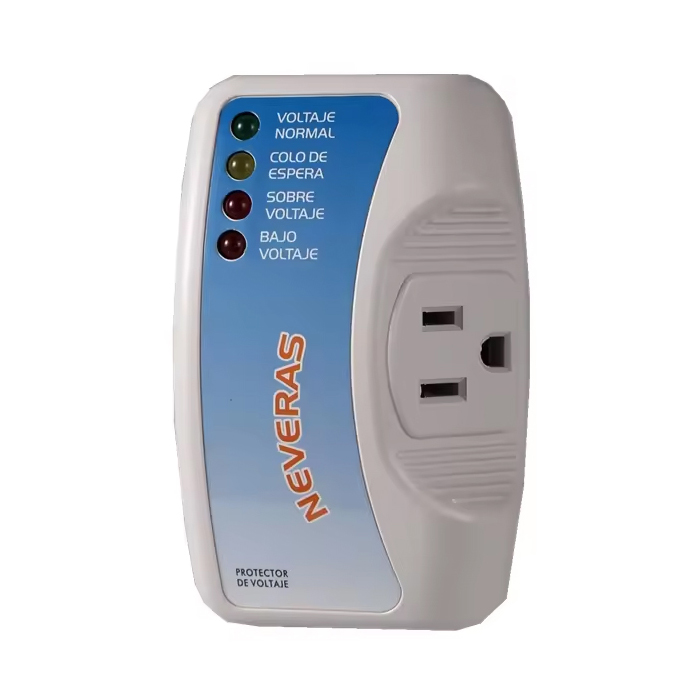
4. Clear LED Indicators
LED indicators should clearly display:
-
Normal operation
-
High-voltage protection
-
Low-voltage protection
-
Delay status
-
Power output status
Clear indicators help users understand the product even when they have limited technical knowledge.
5. Real-Time Voltage Display
Some models include a digital display showing the current input voltage.
This feature gives customers visible proof of grid instability and increases the product’s retail value.
6. Heat-Resistant Housing
The plastic housing should provide adequate insulation, mechanical strength, and heat resistance.
High-quality casing materials improve product safety and durability during long-term operation.
Choosing the Correct Model
Different appliances require different voltage protector specifications.
| Application | Recommended Protection |
|---|---|
| Television | Standard plug-in voltage protector |
| Refrigerator | Voltage protector with restart delay |
| Freezer | Higher-current protector with compressor delay |
| Washing machine | Standard or medium-load protector |
| Computer | Fast voltage cutoff and surge protection |
| Water pump | Heavy-duty relay and suitable current rating |
| Air conditioner | High-power protector, such as 30A or 3600W |
Before selecting a model, buyers should confirm:
-
Nominal voltage
-
Maximum appliance power
-
Rated current
-
Plug and socket standard
-
High-voltage cutoff level
-
Low-voltage cutoff level
-
Delay time
-
Operating frequency
-
Target market requirements
Correct load matching is essential. A product designed for a television should not be used for a high-power air conditioner.
Voltage Protector or Voltage Stabilizer?
A voltage protector and a voltage stabilizer serve different purposes.
Voltage Protector
A voltage protector disconnects the appliance when voltage becomes unsafe.
It is suitable when customers need:
-
High-voltage protection
-
Low-voltage protection
-
Surge protection
-
Delayed restart
-
Affordable appliance safety
Automatic Voltage Regulator
An automatic voltage regulator, also called an AVR or voltage stabilizer, adjusts unstable input voltage and provides a more stable output.
It is suitable when customers require:
-
Continuous voltage correction
-
Wide input voltage range
-
Stable output voltage
-
Whole-house or multi-appliance protection
Importers should select the product according to local electricity conditions and customer expectations.
Why Manufacturing Control Matters
Product reliability depends heavily on manufacturing consistency.
Wenzhou Yixing Electronic Technology Co., Ltd. operates complete in-house production processes, including:
-
SMT mounting
-
Reflow soldering
-
Wave soldering
-
Plastic injection molding
-
Product assembly
-
Electrical testing
-
Final quality inspection
Controlling these processes internally helps maintain consistent quality from the PCB to the finished product.
Every product undergoes testing before shipment, reducing the risk of defective units entering the market.
Yixing also provides:
-
CE-supported products
-
ISO9001 quality management
-
More than 100 appearance patents
-
OEM and ODM development
-
Multiple plug standards
-
Custom voltage specifications
-
Private-label packaging
-
Stable export production capacity
These capabilities help importers, wholesalers, and retail chains build reliable long-term product lines.
OEM and ODM Customization Options
Different markets require different electrical standards, packaging styles, and customer positioning.
Professional OEM and ODM services may include:
-
UK plug and socket
-
EU plug and socket
-
US plug and socket
-
AR plug and socket
-
Customized cutoff voltage
-
Customized delay time
-
Shell color customization
-
Private logo printing
-
Retail box design
-
User manual customization
-
Barcode and label printing
-
Function development
Before sample production, buyers should provide complete specifications.
Clear technical confirmation reduces modification costs, prevents production mistakes, and ensures the final product matches local market requirements.
What to Confirm Before Bulk Ordering
Before placing a large order, importers should test samples under realistic operating conditions.
Important testing points include:
-
High-voltage cutoff accuracy
-
Low-voltage cutoff accuracy
-
Delay time accuracy
-
Relay performance
-
Temperature rise
-
Plug and socket fit
-
Indicator visibility
-
Housing quality
-
Load capacity
-
Reconnection stability
Buyers should also confirm commercial details, including:
-
Production lead time
-
Monthly production capacity
-
Minimum order quantity
-
Packaging strength
-
Spare parts support
-
Warranty policy
-
Inspection standards
-
Shipping schedule
-
Payment terms
Stable delivery is especially important for seasonal markets. Shipment delays can cause distributors to miss important sales periods and lose local customers.
A manufacturer with complete production lines, experienced engineers, strict quality control, and export knowledge is better positioned to provide consistent voltage protector 220V orders.
Conclusion
A dependable 220V voltage protector combines accurate protection, durable construction, proper load matching, and reliable factory support.
 English
  Español
  Deutsch
  Français
  Italiano
  Português