
Surge Protector Safe to Use with Refrigerator?
Using a surge protector with your refrigerator seems convenient, but ignoring potential power surges can fry your appliance, cause food spoilage, or even start electrical fires. Choosing the right surge protector ensures safety and appliance longevity.
A refrigerator-friendly surge protector prevents voltage spikes from damaging compressors and electronics. Look for devices rated for high continuous load and low clamping voltage to secure both safety and durability. This guarantees your fridge runs efficiently while your food remains safe.
To fully protect your appliance, understanding the correct type and rating of surge protector is essential for refrigerators.
Why Surge Protectors Are Needed for Refrigerators
Refrigerators are sensitive to sudden electrical surges caused by lightning strikes, grid fluctuations, or nearby large appliances turning on and off. These surges can damage the compressor motor and electronic control boards, leading to costly repairs or complete appliance failure. Even a small surge may not immediately break your fridge, but repeated exposure shortens its lifespan.
Using a surge protector designed for high-amperage appliances mitigates these risks. Unlike standard power strips, these protectors absorb excess voltage and maintain stable current flow. Look for surge protectors with joule ratings of at least 2000, which indicates energy absorption capacity, and ensure they have a UL or equivalent safety certification. Additionally, refrigerators draw significant startup current, so the surge protector must handle momentary power spikes without tripping.
How to Choose the Right Surge Protector
Not all surge protectors are suitable for heavy-duty appliances. For refrigerators, choose protectors labeled for appliances or high-load electronics. Key features include:
-
Amperage rating: Ensure it supports the refrigerator’s maximum load, usually 10–15 amps.
-
Joule rating: Higher joules mean better protection against surges. Minimum 2000 joules is recommended.
-
Clamping voltage: Lower clamping voltage (ideally 330–400V) protects sensitive electronics.
-
Warranty and connected equipment coverage: Some manufacturers offer replacement warranties for damaged devices.
Avoid cheap, low-joule power strips—they often fail to protect large appliances adequately. Plugging your fridge into a wall outlet with a properly rated surge protector is much safer than relying on standard extension cords or strips.
Installation Tips for Maximum Safety
Place the surge protector on a dedicated outlet close to your refrigerator to minimize cable length and potential voltage drop. Keep the area dry and avoid daisy-chaining multiple devices. Inspect the protector periodically for discoloration, burning smell, or tripped breakers, which signal it’s time for replacement. Regular maintenance ensures continuous protection.
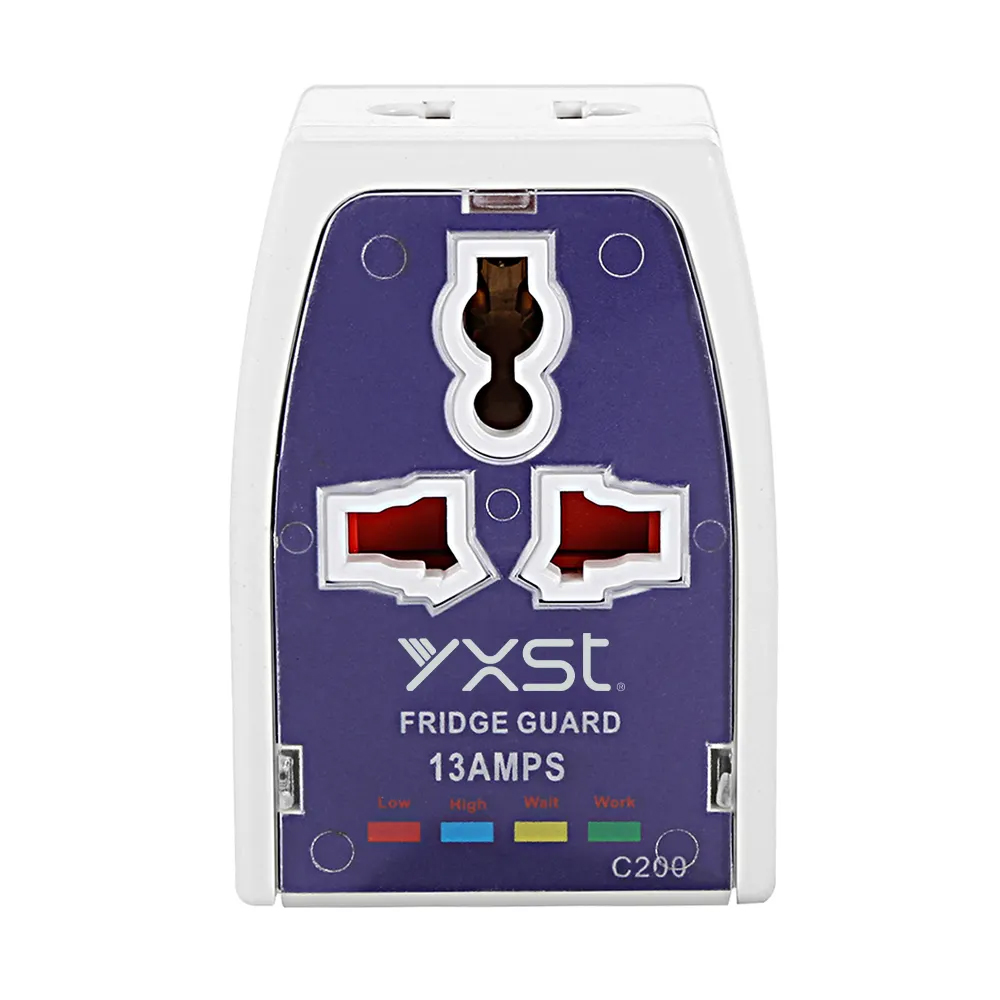
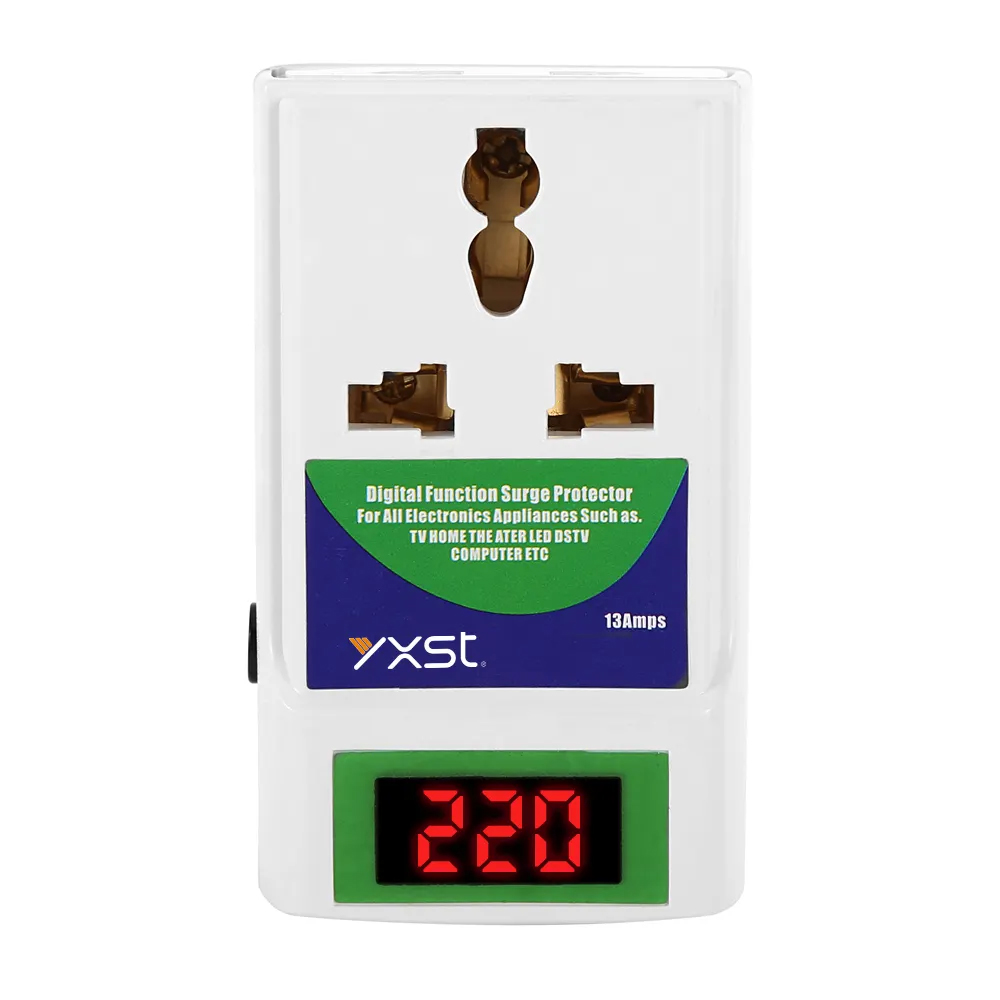
Consider models with automatic shutoff features that disconnect the appliance if the protector itself is compromised. This adds an extra safety layer, especially for long vacations or times when you’re away from home. Avoid using cheap multi-socket adaptors that aren’t designed for heavy current, as these may overheat and pose fire risks.
Common Misconceptions
Some people believe refrigerators are “immune” to surges due to their robust design. However, modern fridges have microprocessor-controlled features, LED displays, and sensors, all susceptible to voltage spikes. Even older fridges with mechanical compressors benefit from protection because motors can be damaged by repeated surges.
Also, plugging multiple high-load appliances into the same surge protector can cause overheating. Always check the load rating, and if in doubt, install a dedicated protector for each major appliance.
Benefits of Using a Surge Protector with a Refrigerator
-
Protects electronics and compressor from voltage spikes.
-
Prevents food loss due to sudden appliance failure.
-
Extends appliance lifespan, saving money on repairs.
-
Adds fire safety by limiting overheating risks.
-
Peace of mind, especially during storms or grid fluctuations.
Investing in a high-quality surge protector is small compared to replacing a damaged refrigerator or spoiled food. It’s a preventive measure with tangible long-term savings.
Conclusion
Using a properly rated surge protector is safe and essential for refrigerators. It shields your appliance, preserves food, and prevents costly electrical mishaps.
Short summary: Always use a high-amperage, UL-rated surge protector for your refrigerator to protect electronics, compressor, and food safety.
 English
  Español
  Deutsch
  Français
  Italiano
  Português