
Guide to Voltage Surge Protectors and Related Power Protection Devices
Why Voltage Surge Protectors Will Still Be Important in 2025
Power surges can silently cripple your electronics, with studies showing that 80% of device failures trace back to voltage instability. The global surge protection devices market is projected to reach $7.48 billion by 2032, driven by rising demand for safeguarding smart homes and industrial equipment. Whether it’s a lightning strike or a faulty appliance, a robust voltage surge protector acts as your first line of defense against electrical chaos.
Understanding Key Power Protection Devices
Voltage Surge Protector (Transient Voltage Surge Suppressor)
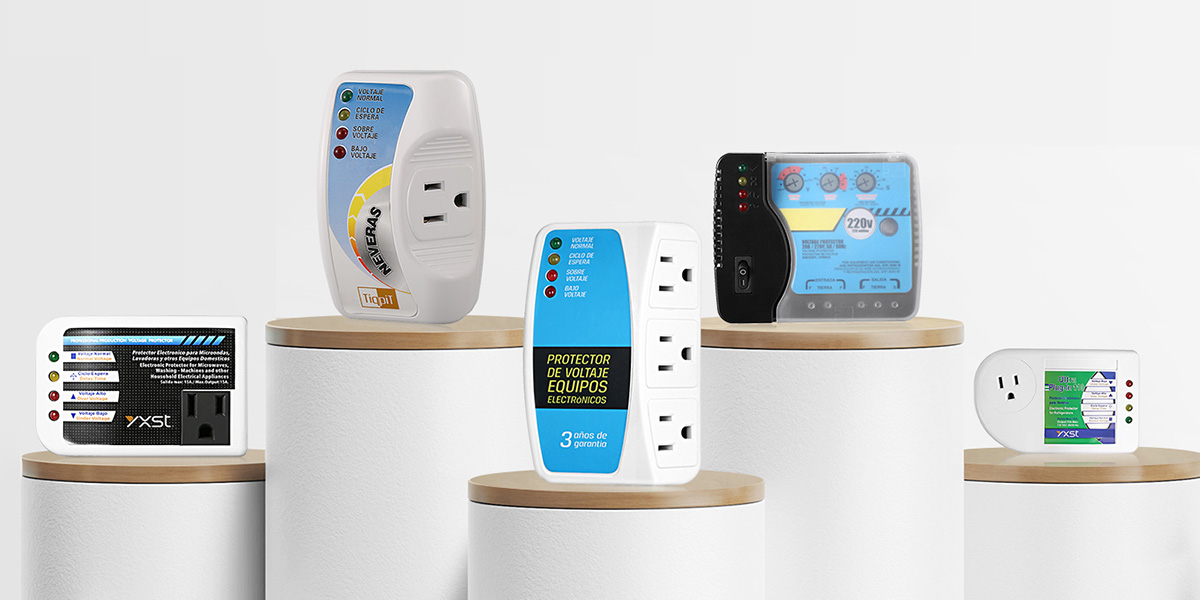
Designed to combat sudden voltage spikes, these devices divert excess energy to the ground via components like metal oxide varistors (MOVs). Key features include:
Joule Rating: Determines total energy absorption capacity
Clamping Voltage: Threshold at which protection activates (lower = faster response).
Lifespan Degradation: Requires replacement after absorbing multiple surges.
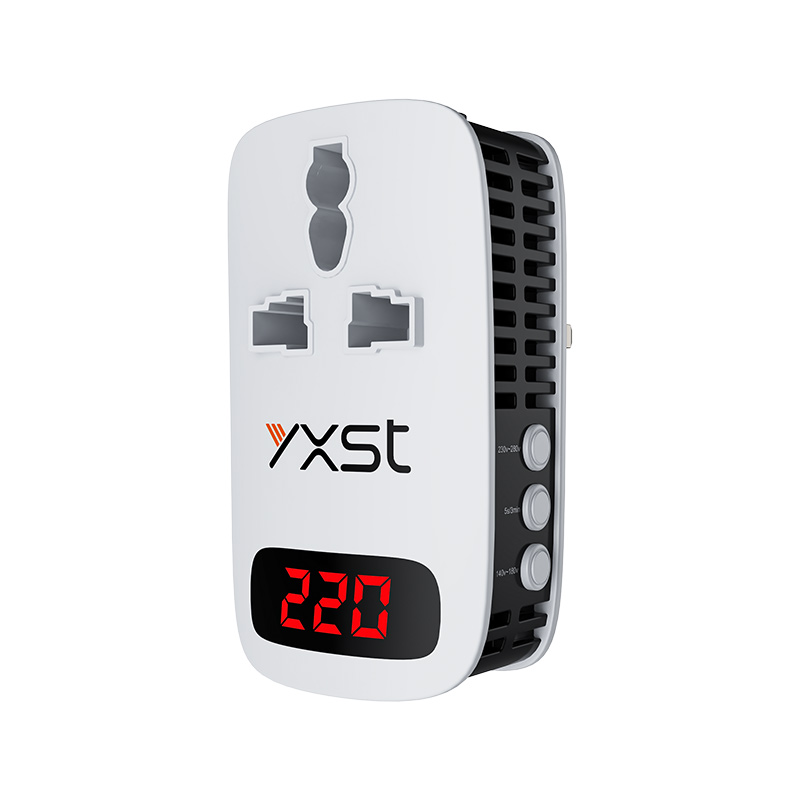
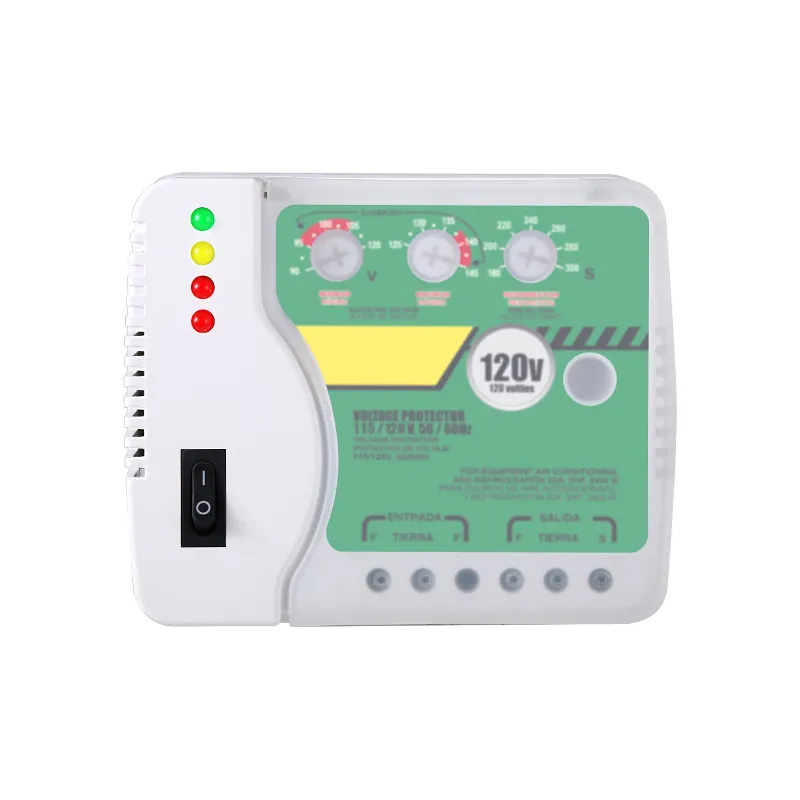
Automatic Voltage Regulator (AVR)
AVRs stabilize voltage fluctuations caused by grid instability or brownouts. Unlike surge protectors, they:
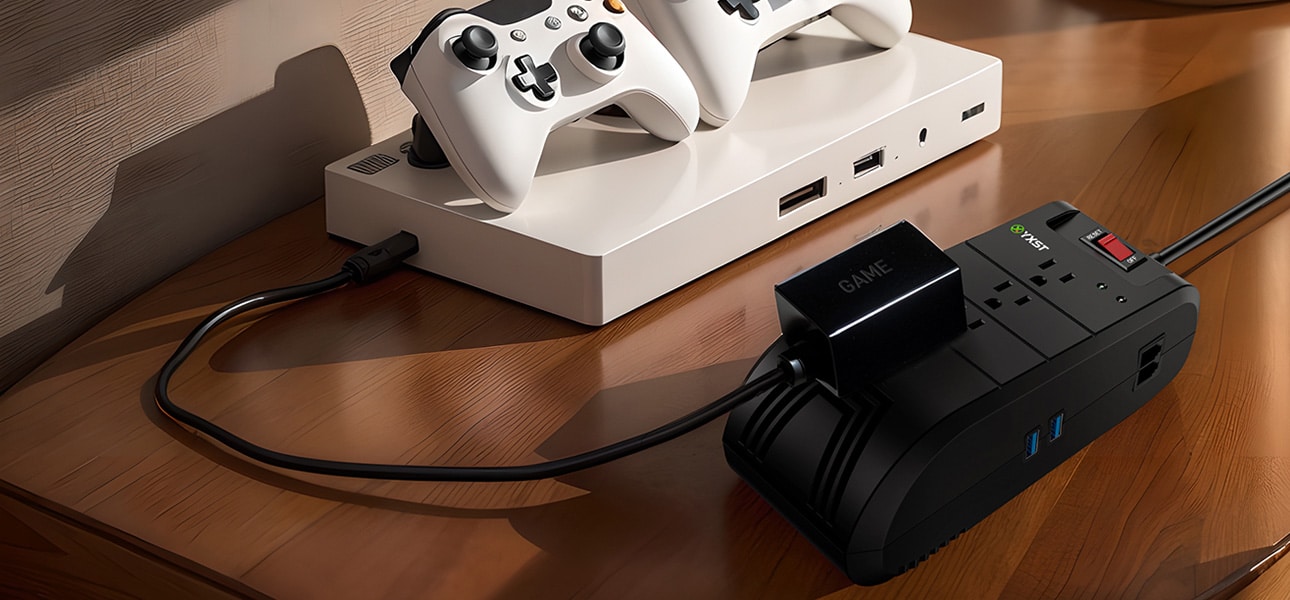
● Regulate both high and low voltages to maintain a steady output (e.g., 220V ±5%).
● Use servo motors or transistor mechanisms for real-time adjustments.
● Critical for 24/7 appliances like refrigerators in areas with unstable grids.
Voltage Converter
Primarily adapts voltage levels between regions (e.g., 110V to 220V). Key distinctions:
Does NOT protect against surges – often requires pairing with a surge protector.
Ideal for international travelers using low-power devices like laptops.
Comparative Analysis: Surge Protector vs AVR vs Voltage Converter
| Device | Primary Function | Key Strengths | Limitations |
|---|---|---|---|
| Voltage Surge Protector | Diverts voltage spikes | Shields against lightning, grid surges | No voltage regulation |
| AVR | Stabilizes voltage fluctuations | Prevents gradual damage from brownouts | Higher cost; bulkier design |
| Voltage Converter | Adjusts voltage levels | Enables global device compatibility | Limited to voltage scaling only |
Choosing the Right Device for Your Needs
Step 1: Assess Your Risks
◆ Homes in lightning-prone areas: Prioritize whole-home surge protectors (4,000+ J rating).
◆ Regions with frequent brownouts: Combine AVR + surge protector for dual protection.
Step 2: Match Joule Ratings to Devices
◆ 1,000-2,000 J: Mobile devices, LED lights
◆ 2,000-3,000 J: Home theaters, gaming PCs
◆ 4,000+ J: HVAC systems, industrial equipment

FAQs: Voltage Protection Simplified
Do I need surge protection if I already have an AVR?
Yes. While AVRs stabilize voltage, they can’t handle sudden spikes from lightning or grid faults. A layered approach using both devices provides comprehensive protection.
Can a voltage converter replace a surge protector?
No. Converters focus on voltage scaling (e.g., 110V↔220V), offering zero surge protection. Always pair them with surge-rated power strips for sensitive electronics.
How often should surge protectors be replaced?
Most degrade after absorbing 3-5 major surges or within 3-5 years of use. Models with status LEDs simplify maintenance by indicating protection failure.
By understanding these devices’ roles and synergies, you can build a tailored defense strategy against electrical hazards. Always prioritize certifications like UL 1449 or IEC 61643 when selecting equipment.
 English
  Español
  Deutsch
  Français
  Italiano
  Português