
Common sense of household electricity use: Why should household appliances be equipped with automatic high-voltage and low-voltage protectors?
Reasons why household appliances need to be equipped with automatic high and low voltage protectors
Household appliances need to be equipped with automatic high-voltage and low-voltage protectors for several reasons, including reducing line loss, ensuring safety, preventing equipment damage, and extending equipment life.
☆ Reduce line loss:
High-voltage power transmission reduces current by increasing voltage, thereby reducing the problem of severe heating of wires due to excessive current and reducing line loss. This is because according to Joule’s law, heat is proportional to the square of the current. By increasing the voltage, the current can be significantly reduced, thereby reducing line loss.
☆ Ensure safety:
Low-voltage power distribution is for safety reasons. It reduces current by reducing voltage to avoid safety hazards caused by excessive current. In household electricity use, an appropriate voltage is crucial to ensure user safety. Excessive voltage may cause damage to electrical appliances or personal injury.
☆ Prevent equipment damage and extend equipment life:
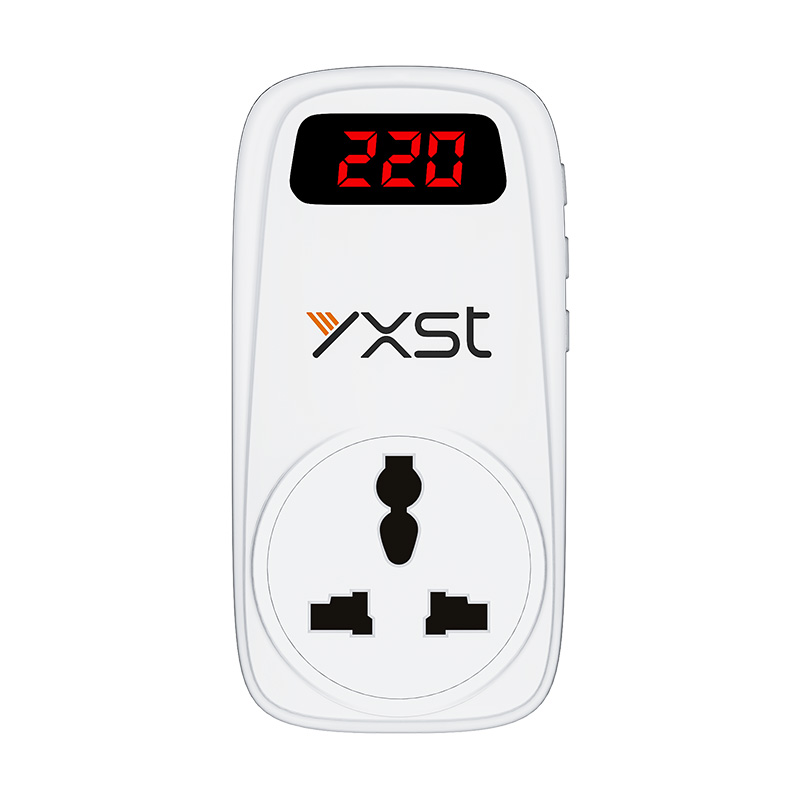
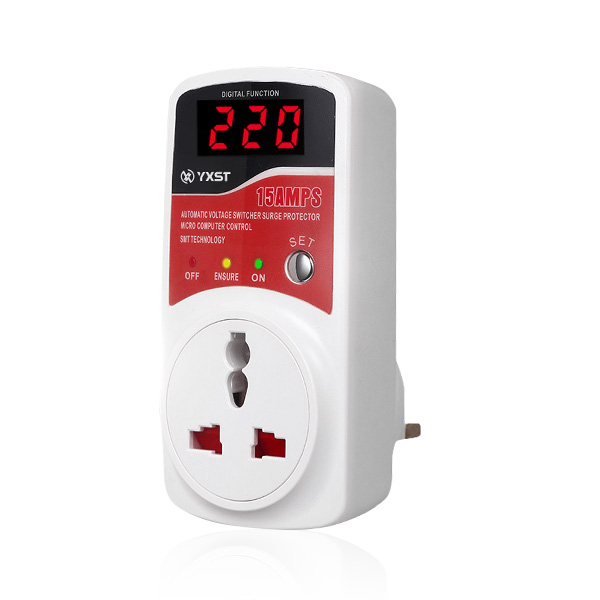
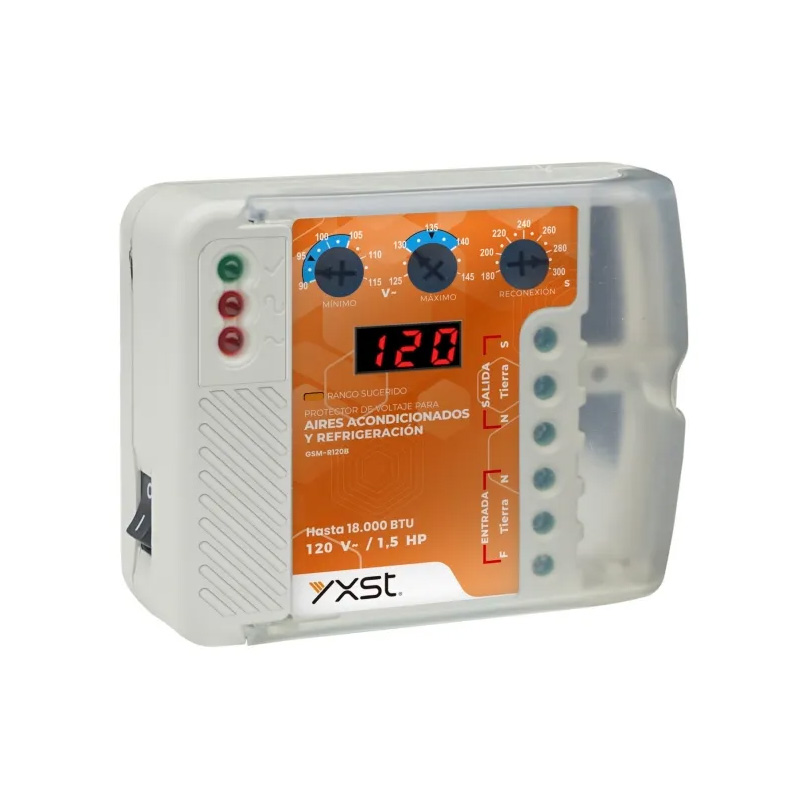
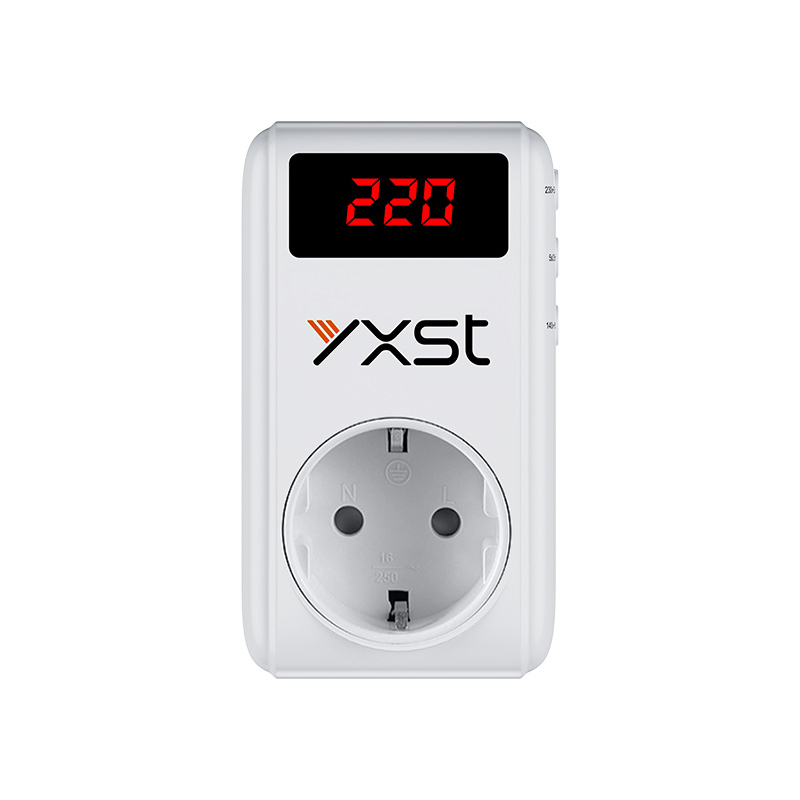
For household electrical equipment, it is essential to install over- and under-voltage protectors, especially in areas with unstable power grid quality. Over- and under-voltage protectors can effectively monitor and adjust voltage to ensure the safe operation of household electrical equipment and avoid equipment damage or performance degradation caused by abnormal voltage.
This is especially important for the increasing number of expensive electrical appliances in modern homes, which can significantly reduce the cost of repairs and replacements.
☆ Enhance the awareness of electricity safety:
As people’s safety awareness increases, more and more families begin to pay attention to electricity safety. Installing an over-voltage and under-voltage protector is not only an effective means of protecting the home power system but also prevents various safety hazards caused by voltage problems and ensures the personal safety of family members.
What are high voltage and low voltage?
The difference between high and low voltage in the power system refers to the difference in voltage levels. In the process of power transmission, the voltage is divided into two stages: high and low voltage. High voltage generally refers to a voltage level of 110 kV (kV) or above, while low voltage usually refers to a voltage level of 220 V (V) or below. The difference between these two voltages is applied to different electrical equipment and scenarios.
Questions and Answers
Q1: How does an automatic voltage protector work?
A: It uses a microcontroller or comparator circuit to detect voltage deviations. If levels exceed preset thresholds, it trips the relay to cut power.
Q2: Can voltage protectors save electricity?
A: Indirectly, yes. By reducing line loss and preventing damage, they optimize appliance efficiency and reduce energy waste.
Q3: Are voltage protectors necessary for all appliances?
A: Critical for high-power devices (ACs, refrigerators) and electronics (TVs, PCs). Basic lamps may not need them.
Q4: What’s the difference between a voltage protector and a stabilizer?
A: A protector shuts off power during fluctuations, while a stabilizer adjusts voltage to a safe range without interrupting supply.
Q5: How to choose a suitable voltage protector?
A: Check its operating range (e.g., 170V–270V), response time, load capacity, and features like surge protection or alarms.
Q6: Can frequent voltage swings harm a protector?
A: Quality protectors endure repeated trips, but prolonged instability may wear out mechanical relays over time.
Q7: Do voltage protectors require maintenance?
A: Minimal maintenance—periodically test responsiveness and ensure vents are dust-free for cooling.
Q8: What causes voltage fluctuations in households?
A: Grid overload, faulty transformers, lightning strikes, or heavy machinery usage nearby.
Q9: Can a voltage protector prevent data loss in computers?
A: It prevents hardware damage but pair it with a UPS (Uninterruptible Power Supply) for data backup during outages.
Q10: Are there smart voltage protectors?
A: Yes! Modern versions offer Wi-Fi alerts, real-time monitoring via apps, and integration with home automation systems.
Summary of automatic high-voltage and low-voltage protectors
Equipping household appliances with automatic high-voltage and low-voltage protectors is an important measure to ensure the efficiency and safety of power transmission, which is of great significance for protecting the safety of household electrical equipment and family members.
 English
  Español
  Deutsch
  Français
  Italiano
  Português