
Voltage protector factory tell International power plug type
This article is written by a Chinese voltage protector factory to tell you about the types of international standard power plugs and the differences in voltage and frequency in different countries and regions.
There are mainly the following types of international standard power plugs:
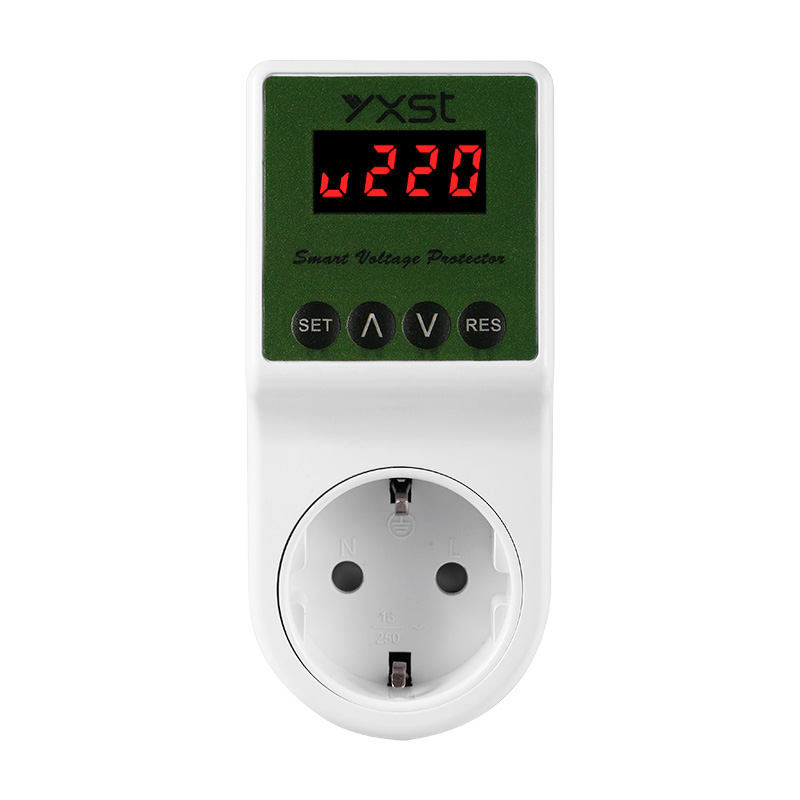
European plug (Type C or CEE): Also known as the German plug, it is the most commonly used plug type in Europe. It uses a two-pole round pin and has two round sockets on the plug. The rated voltage of the European plug is 250V and the rated current is 16A.
American plug (Type A): Commonly used in the United States, Canada, Mexico, and other regions. It uses a two-pole flat pin and has two flat sockets on the plug. The rated voltage of the American plug is 125V and the rated current is 15A.
British plug (Type G): Also known as the British plug, it is commonly used in the United Kingdom, Hong Kong, Singapore, and other regions. It uses a three-pole flat pin and has three flat sockets on the plug. The rated voltage of the British plug is 250V and the rated current is 13A.
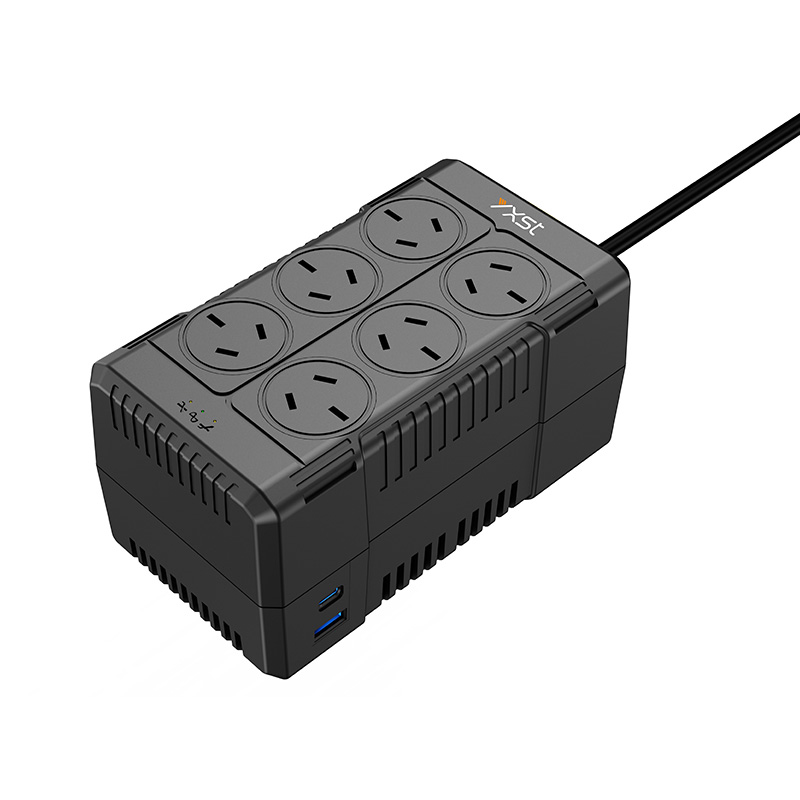
Australian plug (Type I): Commonly used in Australia, New Zealand and other regions. It uses a two-pole flat pin and has two flat sockets on the plug. The rated voltage of the Australian plug is 240V and the rated current is 10A.
South African plug (Type D): Commonly used in African countries such as South Africa and Namibia. This plug type is similar to the European plug, but the specific standards are different.
Swiss plug (Type J): Used in countries such as Switzerland and Rwanda. This plug type is different from the European plug and requires a specific adapter.
Danish plug (Type K): Used in countries such as Denmark and Greenland. This plug type is different from the European plug and also requires an adapter.
Italian plug (Type L): Used in countries such as Chile and Italy. This plug type is different from the European plug, so you need to pay attention and prepare an adapter before traveling.
Voltage and frequency differences in different countries and regions:
United States, Canada: 120V, 60Hz
Japan, South Korea: 100-220V, 50/60Hz
Most European countries: 230V, 50Hz
Australia, New Zealand: 240V, 50Hz
China, India: 220V, 50Hz
Brazil: 110/220V, 60Hz
South Africa: 230V, 50Hz
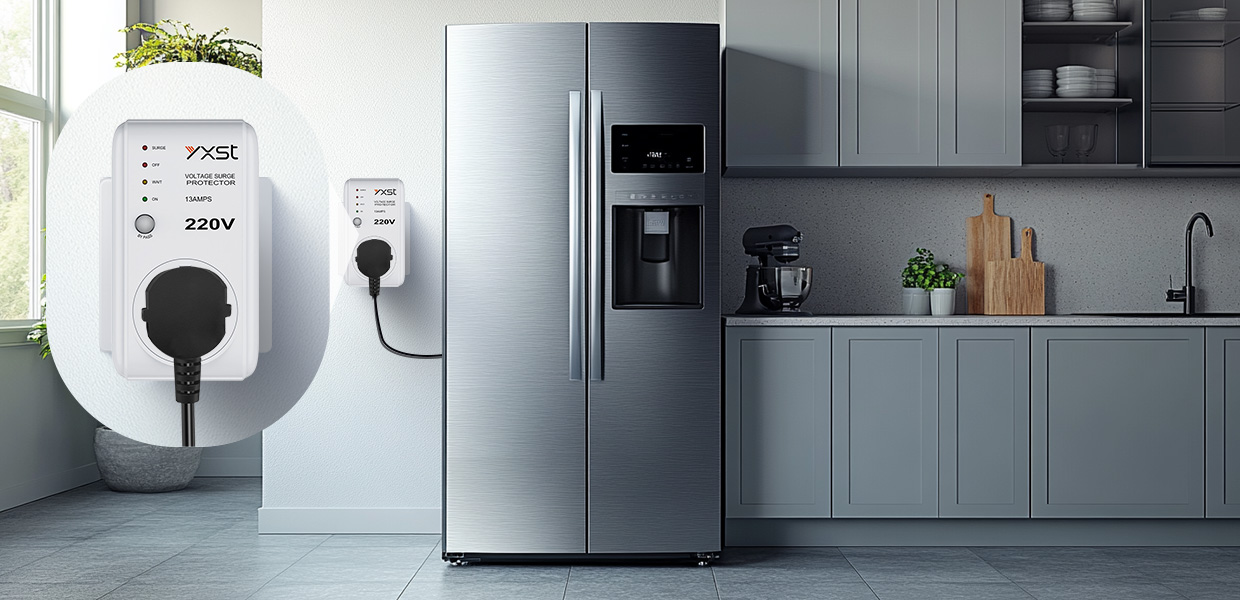
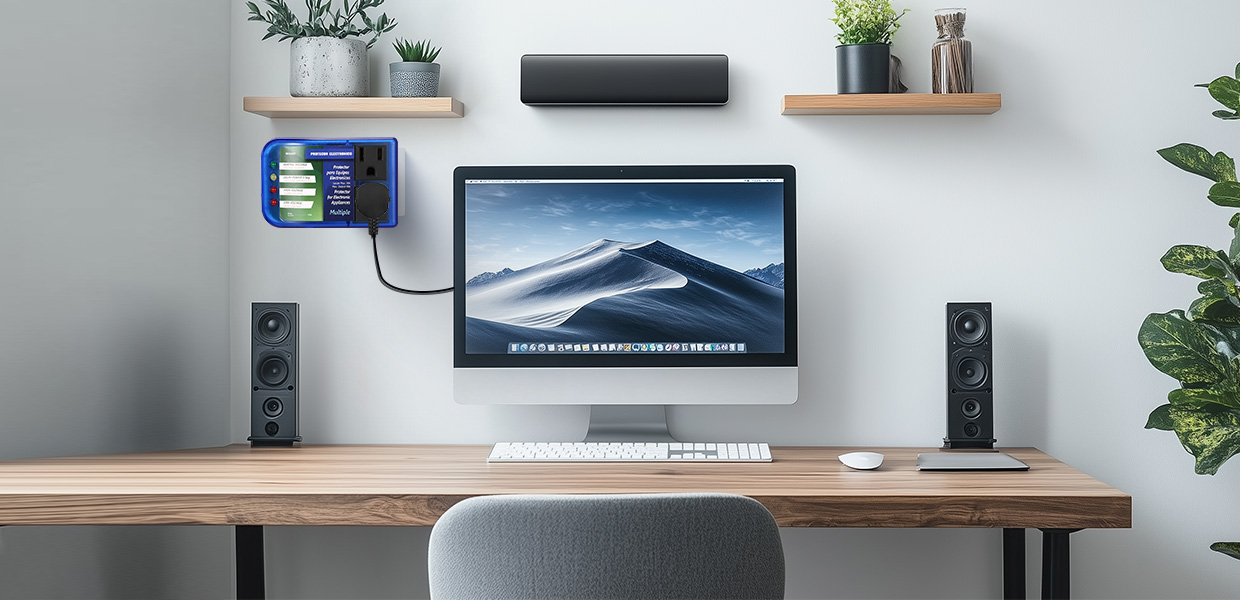
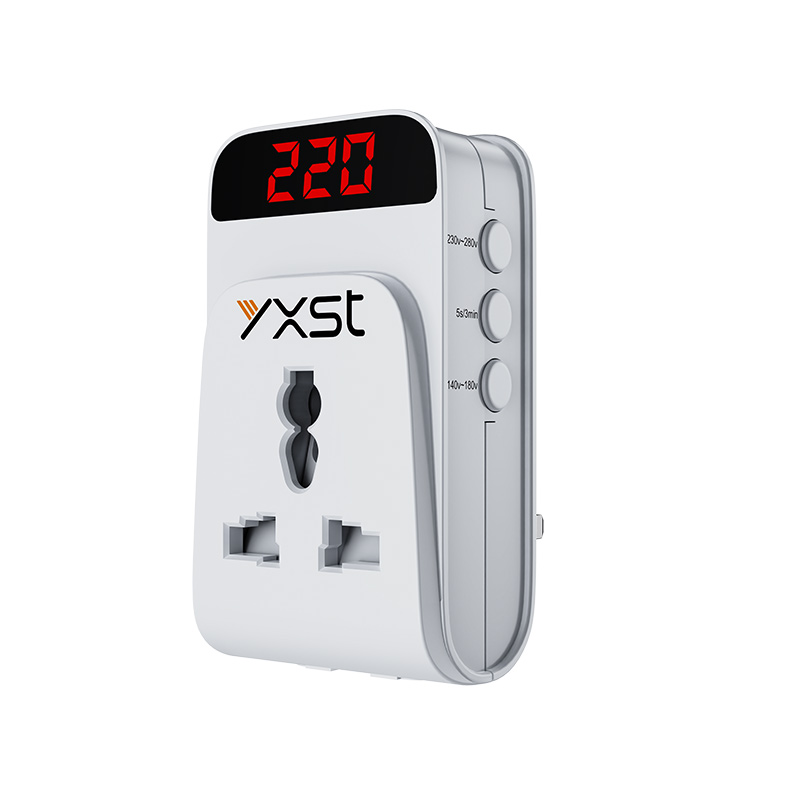
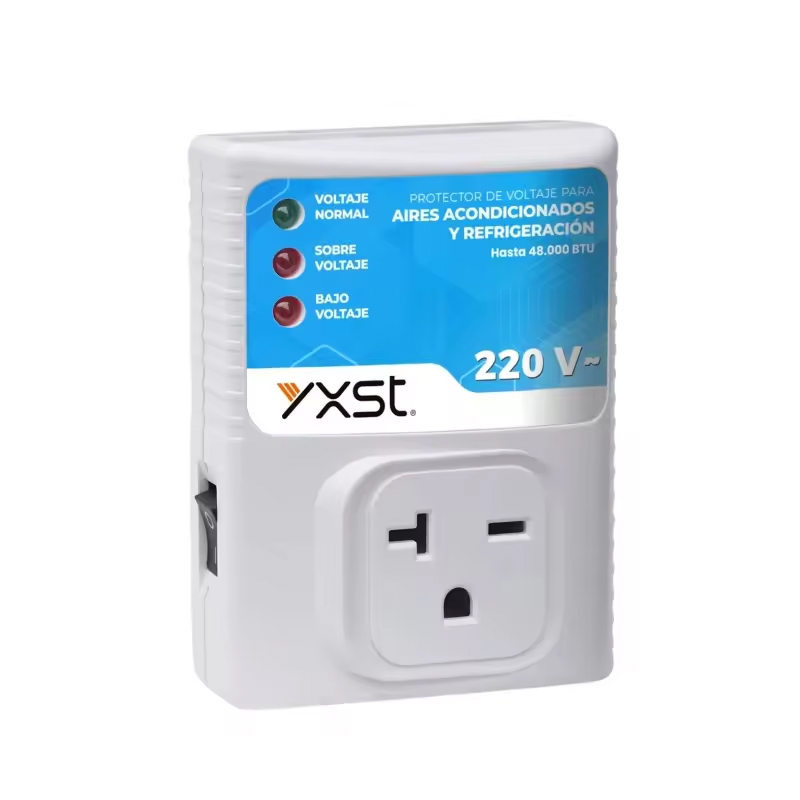
Yixing Electronic Technology is a China voltage protector factory, producing universal voltage protectors with replaceable sockets and plugs. This diagram represents the shapes of plugs in various countries.

| Abbreviation | country | Image |
| UK | British | 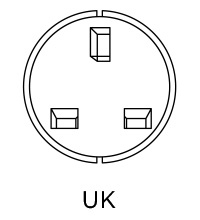 |
| SA | South Africa | 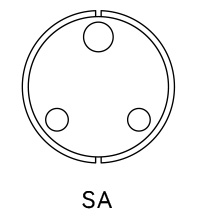 |
| MUL | multiple | 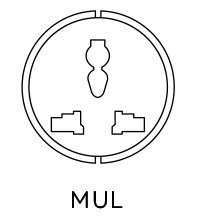 |
| EURO | european | 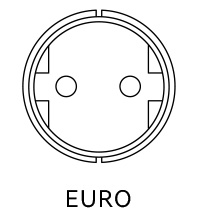 |
| FR | France | 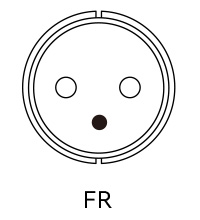 |
| AR | Argentina | 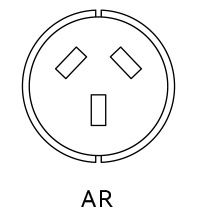 |
| IS | Israel | 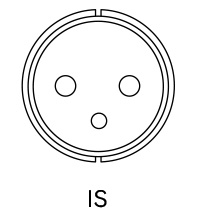 |
| US | American | 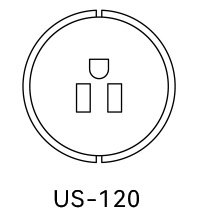 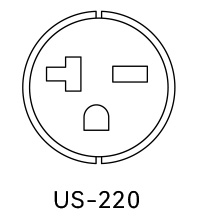 |
| EM | Myanmar | 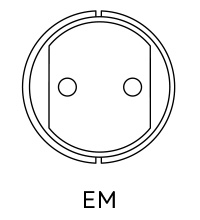 |
How to use the international power socket
Matching the plug and socket: When using electrical appliances, choose the type of plug and socket that matches to avoid the problem that the plug is too large or too small to be inserted into the socket.
Inserting the plug: When inserting the plug into the socket, make sure that the polarity of the plug and the socket are the same to avoid damage to the appliance. At the same time, the plug should be inserted to the bottom to ensure good contact.
Unplugging the plug: When unplugging the plug, turn off the electrical switch first, then hold the shaft of the plug and pull it out. Do not pull the wire to avoid damaging the wire.
Use of the socket: Do not insert too many electrical appliances into the socket to avoid overload. At the same time, regularly check the contact part of the socket, remove dust, and ensure good contact.
China voltage protector factory tells you: choosing the right international power socket type and the correct usage method can ensure our electricity safety and avoid potential safety hazards caused by problems such as plug mismatch.
 English
  Español
  Deutsch
  Français
  Italiano
  Português