
Why Your Dishwasher Needs Electronic Surge Protector:Key Considerations
Why Your Dishwasher Needs a Surge Protector: Key Considerations
Dishwashers Are Vulnerable to Power Surges
Modern dishwashers rely on microprocessors and sensitive electronics for functions like temperature control, cycle programming, and error detection. Both internal surges (e.g., caused by other appliances like refrigerators or AC units cycling on/off) and external surges (e.g., lightning strikes or grid fluctuations) can damage these components, leading to malfunctions or permanent failure.
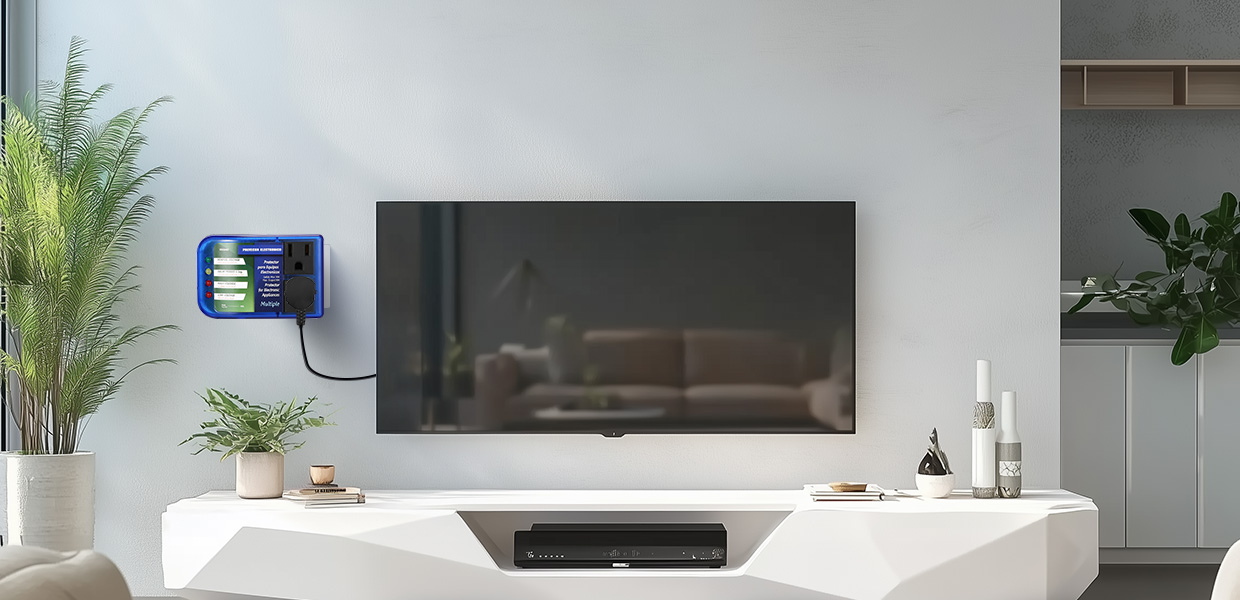
Electronic Surge Protectors Extend Appliance Lifespan
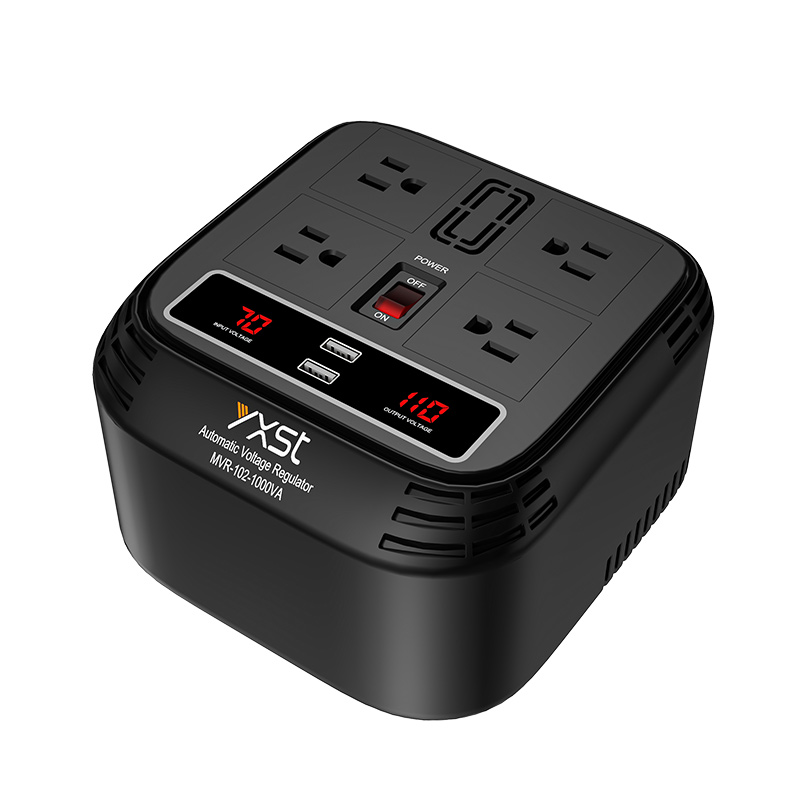
Electronic surge protector diverts excess voltage to the ground, preventing it from reaching your dishwasher. This is especially critical in areas prone to frequent storms or unstable power grids. For example, internal surges from household motors (e.g., garbage disposals) can spike up to 2,000 volts, exceeding the dishwasher’s tolerance.
Electronic Surge Protectors vs. Power Strips
Many users confuse surge protectors with basic power strips. Power strips only provide extra outlets and offer no protection against voltage spikes. Ensure your surge protector has a joule rating (e.g., 1,000+ joules) and replace it every 2–3 years or after a major surge event.
Installation tips for Electronic Surge Protector (both plug-and-play and wired)
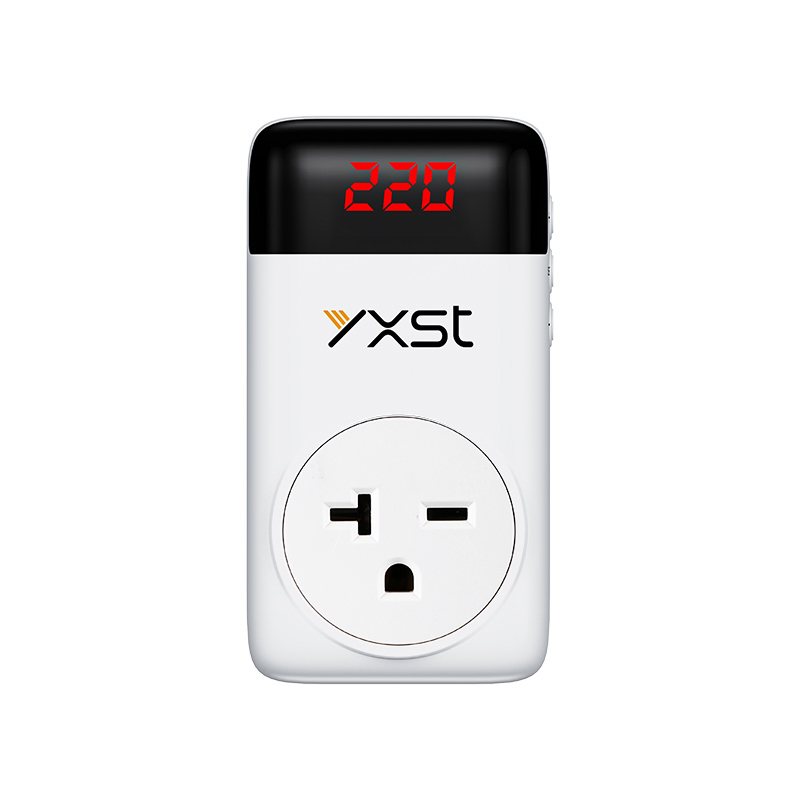
Installation tips for plug-and-play electronic surge protectors
→ Select an adapter socket
★ Make sure the socket voltage matches the rated voltage of the protector to avoid overload. The socket must comply with national standards, and the polarity of the live and neutral wires must be correct (left neutral and right live).
★ Check whether the socket is loose or aging before installation to avoid safety hazards caused by poor contact.
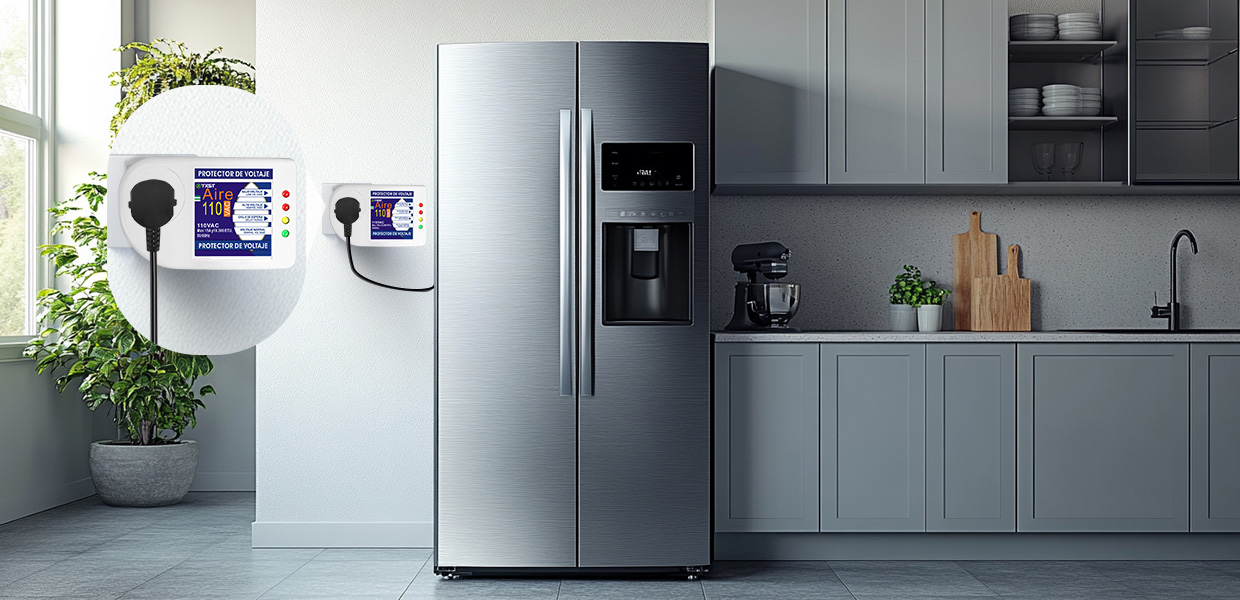
→ Correct insertion and fixation
★ Insert vertically into the socket hole to ensure that the protector fits tightly with the socket to avoid poor contact due to tilting.
★ If the protector has a waterproof cover, the cover must be closed after installation to isolate moisture and dust.
→ Environmental protection
★ Avoid installing in humid, high-temperature, or direct sunlight areas to prevent aging of the internal components of the protector.
★ Protectors with a waterproof rating of ≥IP54 should be selected in humid places such as bathrooms and kitchens.
Installation tips for wiring type electronic surge protector
→ Installation location selection
★ Power supply side priority: Wiring-type protectors (such as surge protectors) should be installed in the distribution system entrance or main distribution cabinet, close to areas with high lightning risk, as the first level of protection.
★ Safety distance: Keep a safe distance from the charged body (such as at least 0.7 meters for 10kV lines and at least 1 meter for 35kV lines) to avoid arc interference.
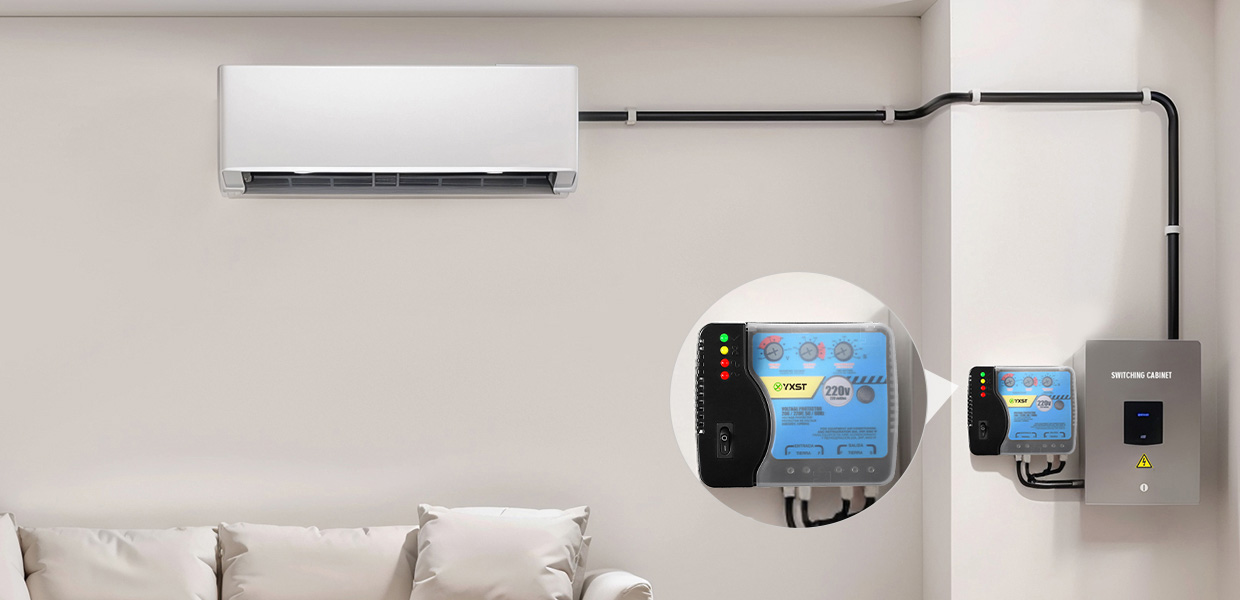
→ Wiring specifications
★ Distinguish polarity: Single-pole protectors must strictly connect live wire on the left and neutral wire on the right (L connects to live wire and N connects to neutral wire), and bipolar or multi-pole protectors must be connected as marked to avoid reverse connection and functional failure.
★ Avoid mixed connection: Neutral wires of different circuits are prohibited from being shared, otherwise it may cause malfunction.
★ Cable processing: The power cord must be straightened and fixed, and looping or twisting is prohibited. The high-voltage cable should be of moderate length, and different phase lines should be bundled separately.
→ Grounding requirements
★ The metal housing of the protector must be reliably grounded, with a grounding resistance of ≤10Ω. The grounding wire should be as short and straight as possible to reduce impedance.
★ The grounding wire must be independently connected to the grounding bar of the power distribution system and must not be mixed with the neutral line (N).
→ Professional tools and operations
★ Use a torque wrench to tighten the terminal to ensure good contact and avoid heat from the virtual connection.
★ Turn off the power before installation and wear anti-static equipment (such as gloves and wristbands) to prevent static electricity from damaging sensitive components.
The plug-and-play type is suitable for simple home protection, with the focus on adaptability and environmental sealing; the wiring type requires professional planning, focusing on polarity distinction, grounding reliability and multi-level coordination. Regardless of the type, regular maintenance and functional testing are the key to long-term effectiveness.
Cost-Benefit Analysis
Repairing or replacing a dishwasher damaged by surges can cost hundreds of dollars. Surge protectors are a low-cost safeguard compared to potential repair bills. Additionally, they protect data-sensitive devices (e.g., smart dishwashers connected to Wi-Fi).
Conclusion
Installing a surge protector for your dishwasher is a proactive measure to safeguard its electronics, reduce long-term maintenance costs, and ensure uninterrupted functionality. For optimal protection, combine a whole-house system with outlet-level surge protectors.
 English
  Español
  Deutsch
  Français
  Italiano
  Português