
Why 220V Surge Protector Safeguards Your Electronics
What Is 220V Surge Protector?
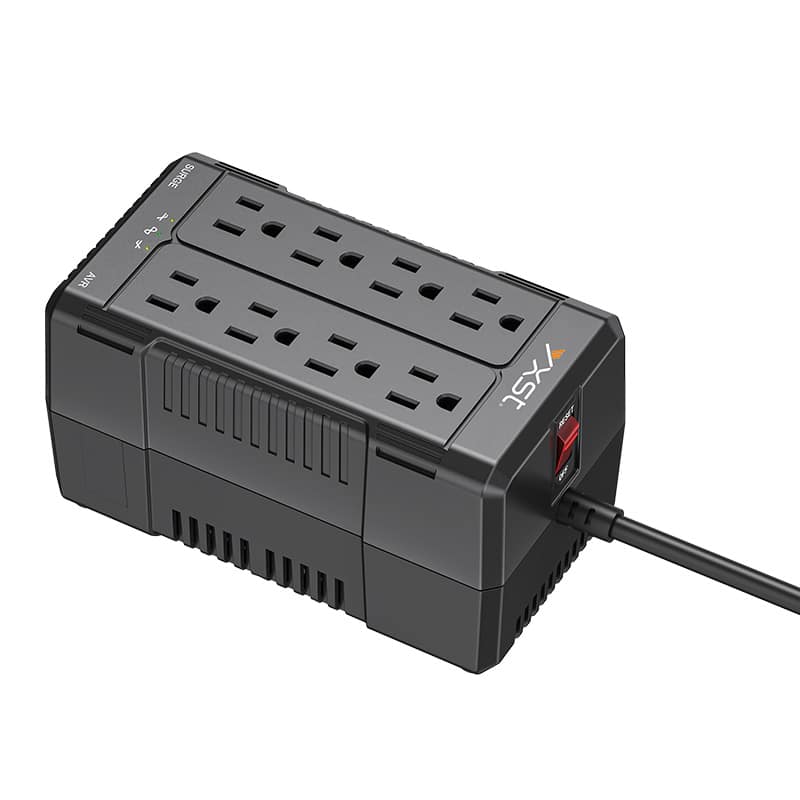
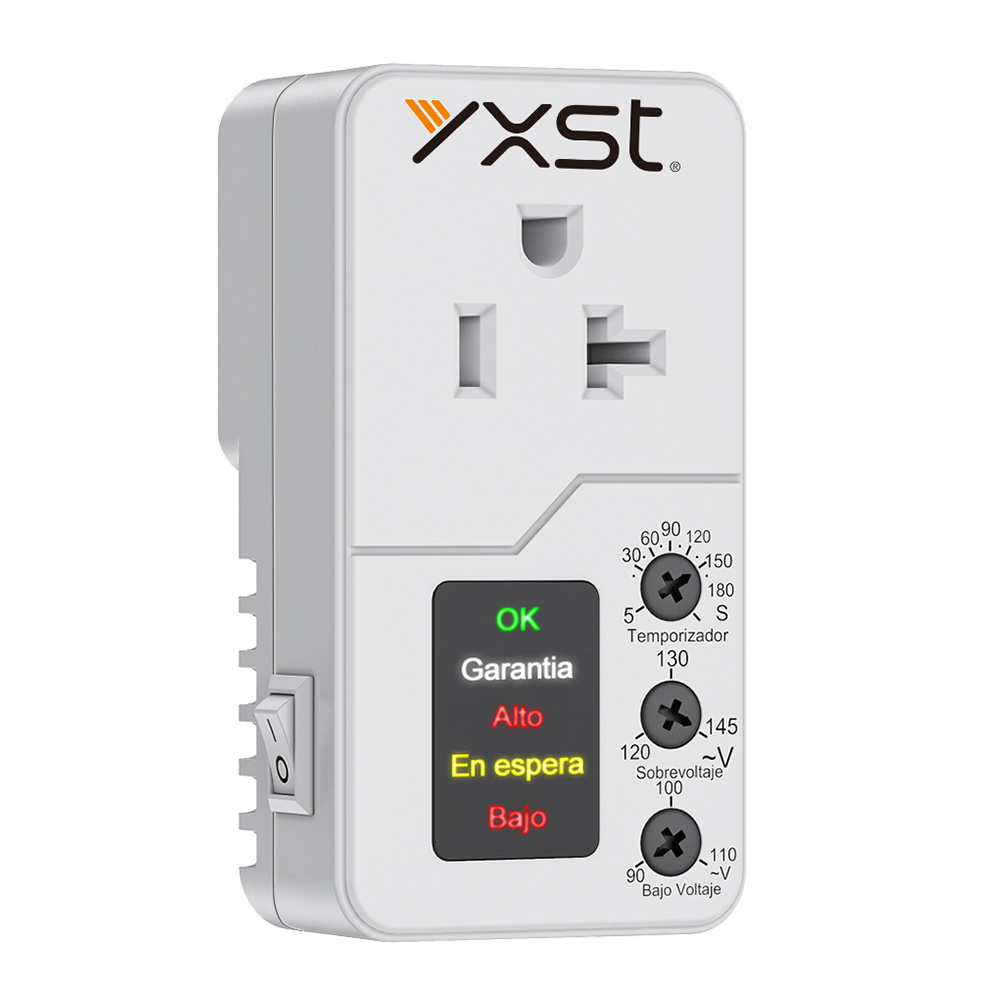
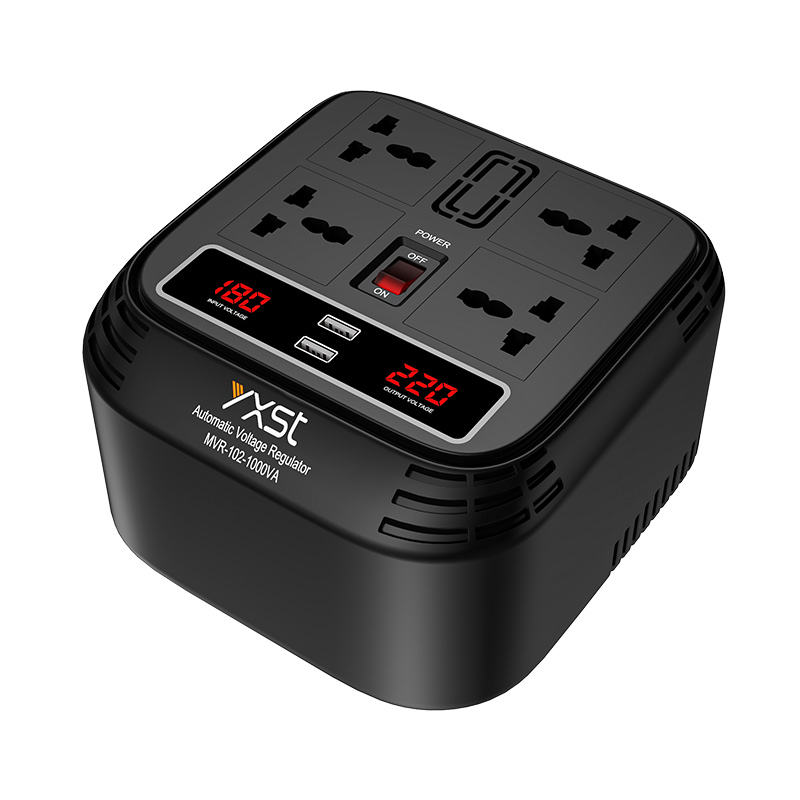
220V surge protector is a device designed to shield electrical appliances from sudden voltage spikes. These spikes, often caused by lightning strikes, power grid fluctuations, or faulty wiring, can damage sensitive electronics. The 220V rating ensures compatibility with standard high-voltage electrical systems, making it a critical component for safety.
How Does a 220V Surge Protector Work?
Voltage Regulation Mechanism
When a voltage spike occurs, the 220V surge protector detects excess energy and redirects it to the grounding wire. This process, called clamping, prevents harmful currents from reaching connected devices.
Multi-Layered Protection
High-quality 220V surge protectors combine metal oxide varistors (MOVs) and gas discharge tubes for multi-stage defense. This dual approach ensures rapid response to both minor fluctuations and severe surges.
Key Features of an Effective 220V Surge Protector
Clamping Voltage Rating
Opt for a 220V surge protector with a clamping voltage below 400V. Lower values indicate faster activation, minimizing risk to connected devices.
Response Time
The best 220V surge protectors react within nanoseconds. Faster response times ensure immediate protection during unexpected surges.
Certifications and Safety Standards
Look for certifications like UL 1449 or CE marks. These validate the 220V surge protector’s ability to handle extreme conditions safely.
When Is a 220V Surge Protector Necessary?
Protecting High-Value Electronics
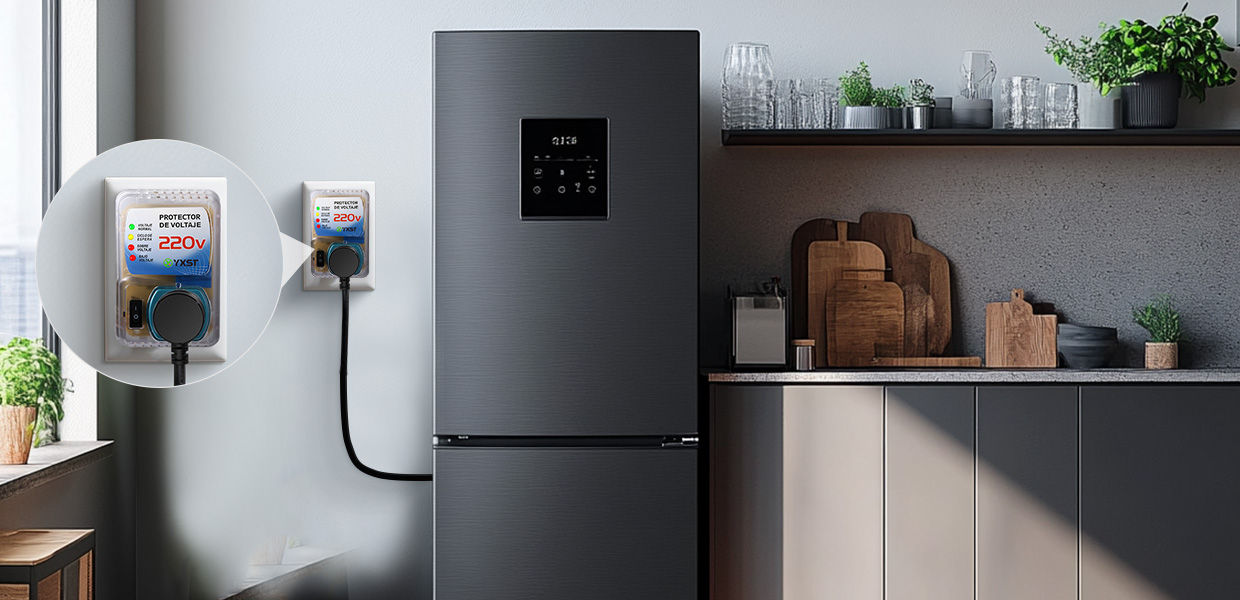
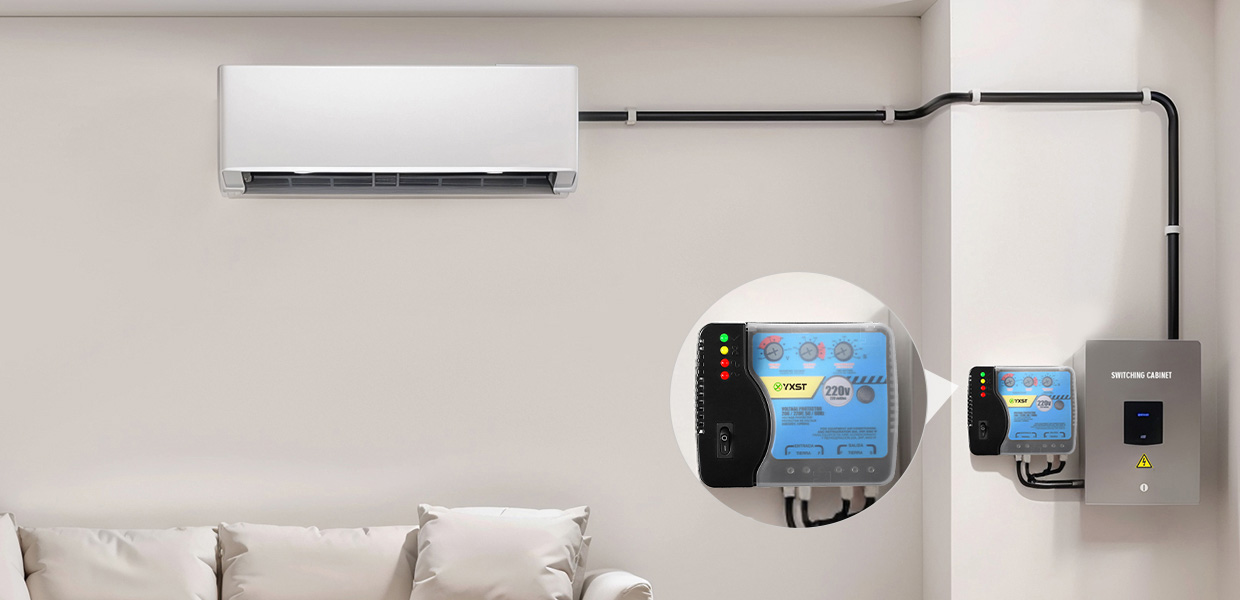
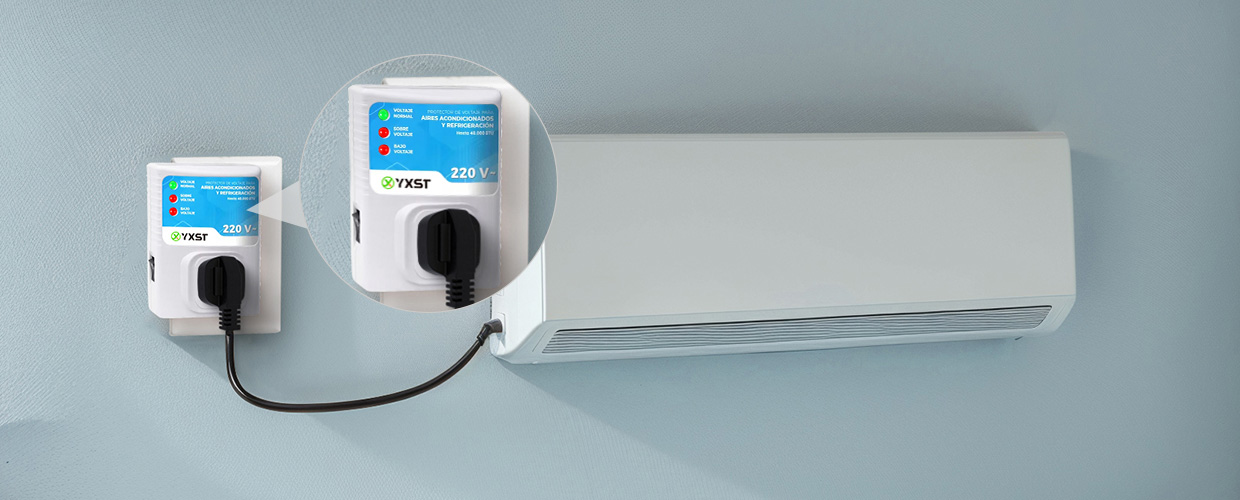
Devices like refrigerators, air conditioners, and entertainment systems require a 220V surge protector to avoid costly repairs. Voltage spikes can degrade internal components over time, even if no immediate damage is visible.
Areas with Unstable Power Supply
Regions prone to thunderstorms or frequent grid issues benefit significantly from installing a 220V surge protector. It acts as a first line of defense against unpredictable electrical events.
Installing Your 220V Surge Protector: Best Practices
Strategic Placement
Install the 220V surge protector close to the main electrical panel for whole-system protection. Alternatively, use point-of-use units for individual appliances.
Regular Maintenance Checks
Test the indicator lights monthly to confirm functionality. Replace the 220V surge protector every 3–5 years, as internal components degrade over time.
FAQs About 220V Surge Protectors
Can It Prevent All Types of Damage?
While a 220V surge protector mitigates most voltage spikes, direct lightning strikes may overwhelm the system. Pair it with uninterruptible power supplies (UPS) for enhanced safety.
Is Professional Installation Required?
Plug-in 220V surge protectors are user-friendly, but hardwired models may require an electrician. Always follow manufacturer guidelines for optimal performance.
Can a 220V Surge Protector Handle Repeated Surges?
While a 220V surge protector is designed to absorb multiple surges, its lifespan depends on the intensity and frequency of voltage spikes. High-energy events (e.g., lightning strikes) may degrade components faster. Models with replaceable cartridges or status indicators offer clearer visibility into remaining protection capacity.
Does a 220V Surge Protector Consume Electricity?
220V surge protector draws minimal standby power to monitor voltage fluctuations. Energy usage is negligible compared to the protection it provides. Unplugging the device during prolonged inactivity can further reduce power consumption.
Why Do Some 220V Surge Protectors Have USB Ports?
Integrated USB ports allow safe charging of low-voltage devices without separate adapters. These ports include surge protection circuits, but prioritize the main outlets for high-power appliances.
What Happens When a 220V Surge Protector Fails?
Most units feature an alert system (e.g., LED lights) to signal failure. Continued use of a compromised 220V surge protector leaves devices vulnerable—replace it immediately if indicators show reduced functionality.
Are All 220V Surge Protectors Weatherproof?
Only outdoor-rated models include waterproof housing. Standard indoor 220V surge protectors should never be exposed to moisture. For outdoor setups, select devices with IP64 or higher certifications.
By integrating a 220V surge protector into your electrical setup, you ensure long-term protection for everyday devices. Prioritize certified products with robust clamping capabilities to maximize safety and reliability.
 English
  Español
  Deutsch
  Français
  Italiano
  Português