
Is Automatic Voltage Stabilizers the same as UPS?
Automatic voltage stabilizers (AVS) and Uninterruptible Power Supplies (UPS) are not the same, though they both serve important functions in power management and protection. Here’s a breakdown of their differences and roles:
Automatic Voltage Stabilizer (AVS):
Purpose:
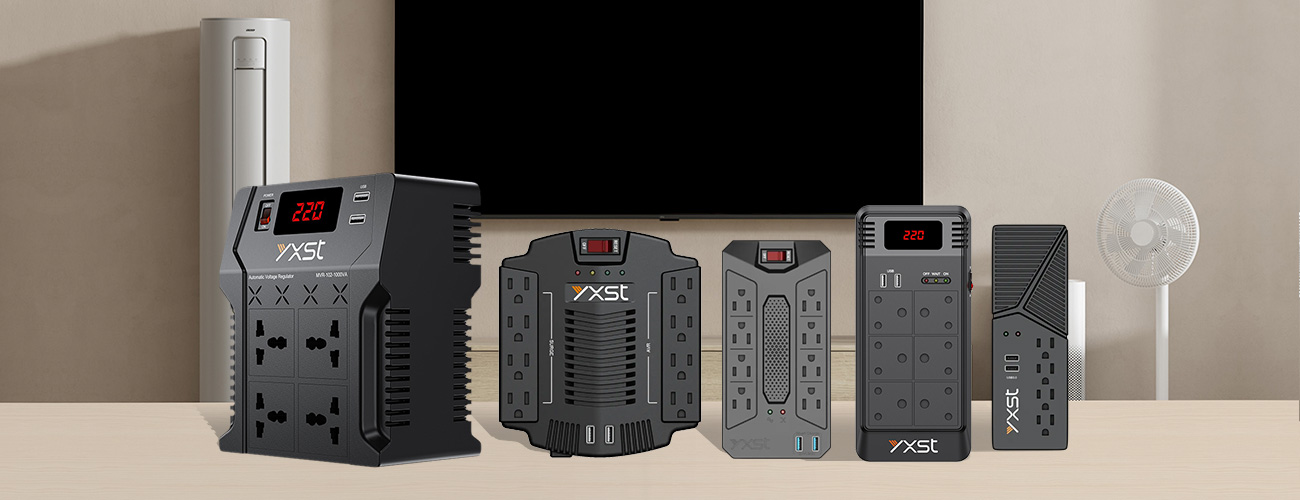
The primary function of an AVS is to stabilize the output voltage from the power source. It ensures that the voltage supplied to the connected devices remains within a specified range, even if there are fluctuations or surges in the incoming voltage.
Operation:
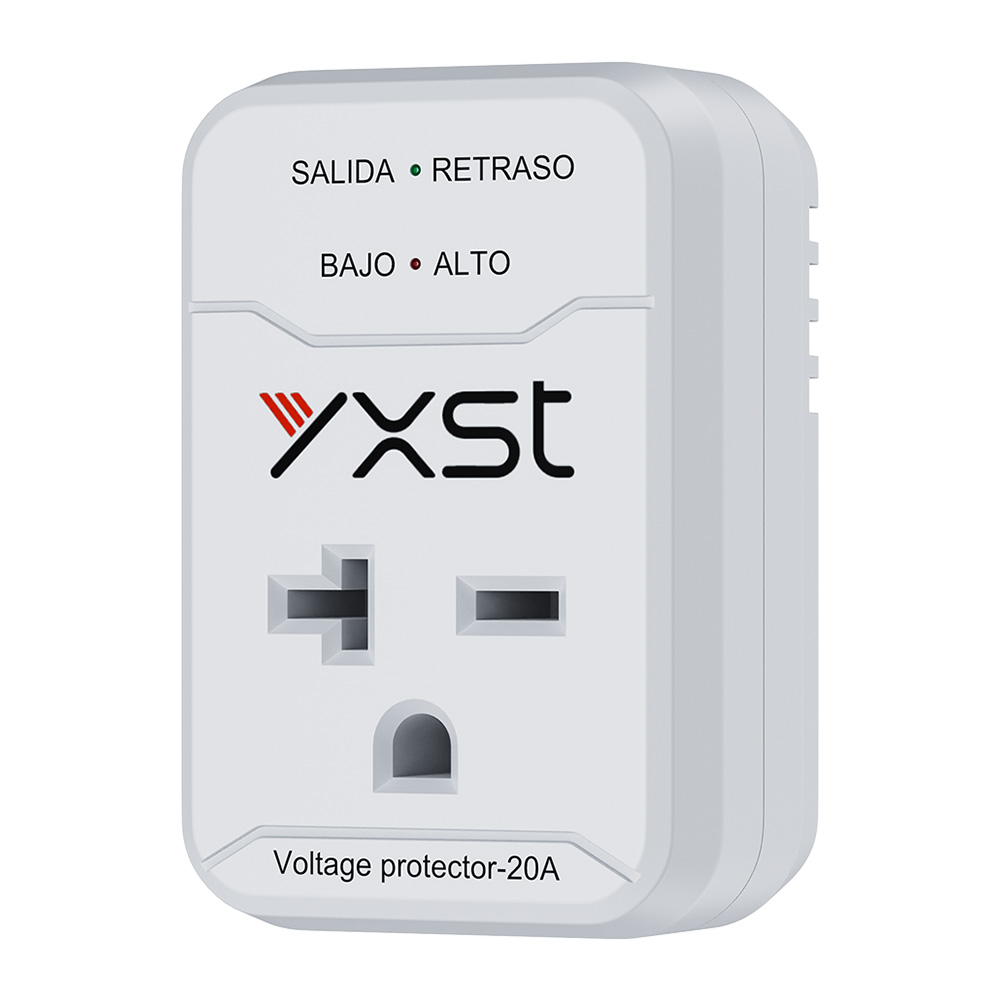
AVS Automatic Voltage Stabilizer typically adjusts and regulates the voltage automatically, compensating for any variations in supply voltage. It does not provide backup power; instead, it corrects the voltage levels to protect devices from voltage spikes or drops.
Uninterruptible Power Supply (UPS):
Purpose:
UPS provides backup power to connected devices when the main power supply fails. Its main role is to ensure continuity of power, allowing devices to operate without interruption during a power outage.
Operation:
UPS consists of batteries that kick in when the main power source fails, providing immediate power to connected devices. Many UPS systems also include built-in voltage regulation features, which can stabilize the voltage supplied to the devices.
Automatic Voltage Stabilizers VS UPS Summary:
AVS is focused on regulating and stabilizing voltage levels, while UPS is designed to provide emergency backup power when the main power fails.
AVS does not provide battery backup, whereas a UPS does.
While they serve different purposes, in some cases, an AVS can complement a UPS system by managing voltage levels while the UPS provides backup power.
 English
  Español
  Deutsch
  Français
  Italiano
  Português