
Is an AVR the Same as a Surge Protector?
Unstable voltage damages appliances, causing costly repairs and downtime. Without proper protection, businesses lose inventory and customer trust. Choosing the right device prevents these risks.
An Automatic Voltage Regulator (AVR) and a surge protector are not the same. A surge protector blocks sudden voltage spikes, while an AVR stabilizes continuous voltage fluctuations. In regions with unstable power supply, both devices serve different but complementary roles in protecting refrigerators, air conditioners, TVs, and other sensitive electronics.
Understanding their differences helps importers choose the correct product mix for their market.
Table of Contents
ToggleWhat Is a Surge Protector?
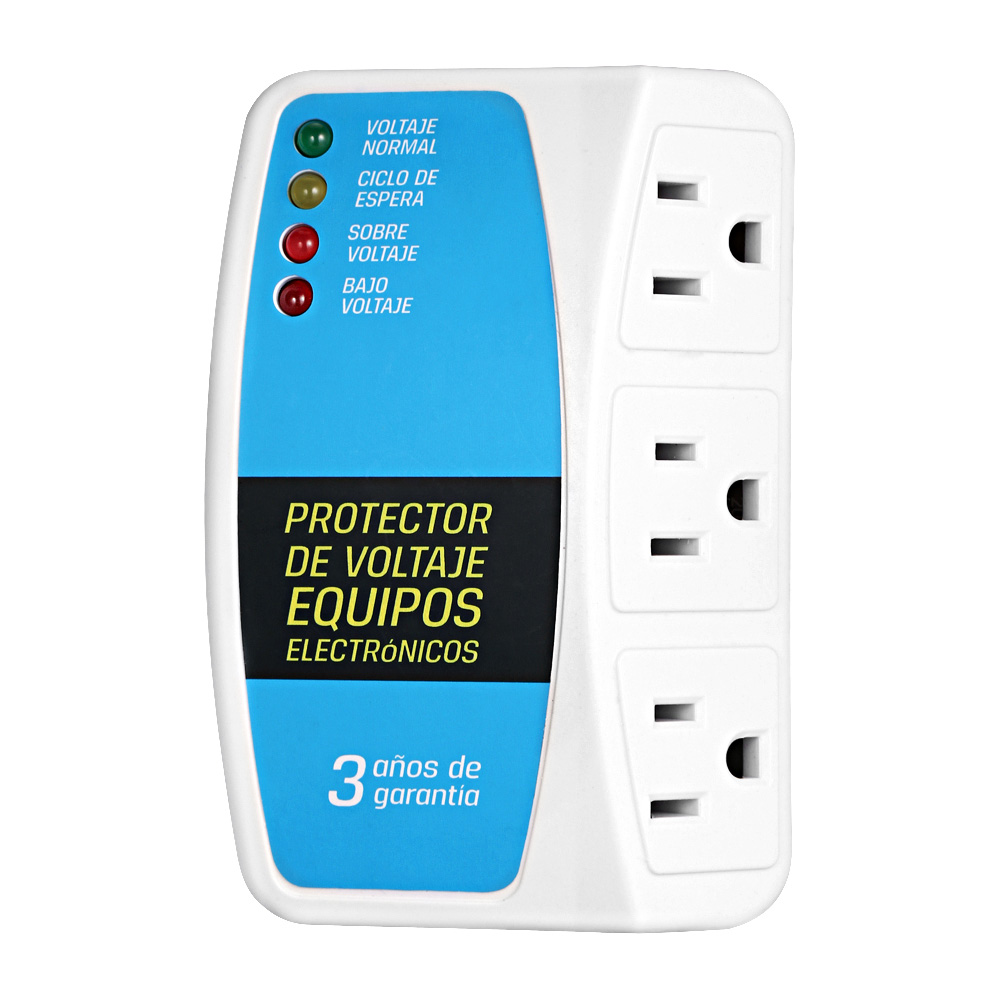
A surge protector, also called a voltage protector or TV guard, is designed to detect sudden high-voltage spikes and immediately cut off power supply. These spikes often occur due to lightning strikes, grid switching, or sudden power restoration after outages.
At Wenzhou Yixing Electronic Technology Co., Ltd., our surge protectors are engineered with:
-
Automatic high/low voltage cutoff
-
Intelligent delay restart function
-
Real-time voltage monitoring
-
LED status indicators
-
Multiple plug types (US / EU / UK / AR)
-
100% full testing before shipment
For markets in Africa, Latin America, and Southeast Asia—where grid instability is common—surge protectors are essential for protecting refrigerators, washing machines, microwaves, and TVs from immediate electrical shock.
However, surge protectors react to extreme voltage conditions. They do not continuously regulate output voltage.
What Is an Automatic Voltage Regulator (AVR)?
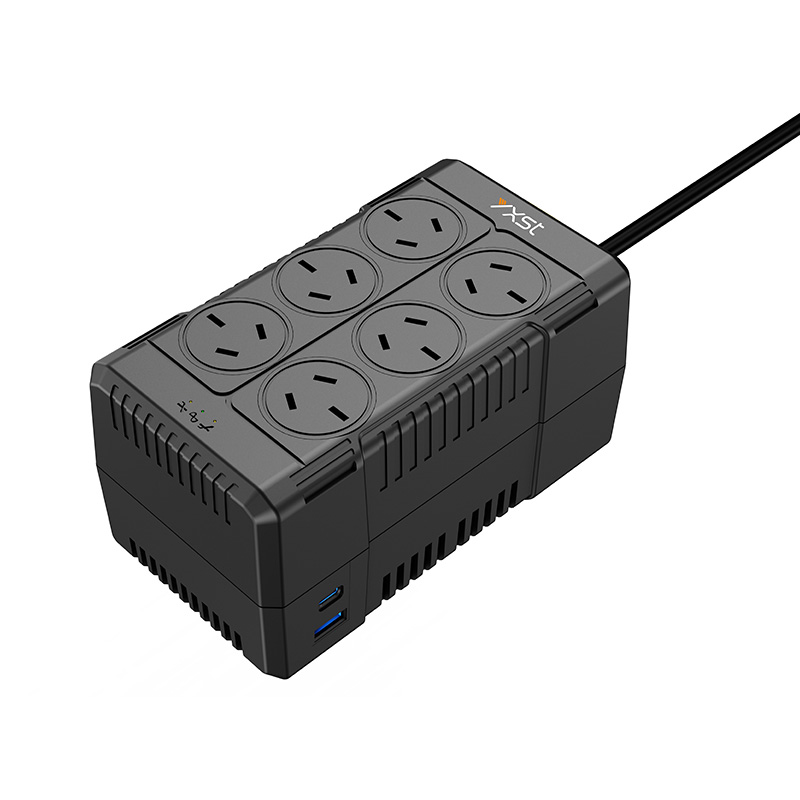
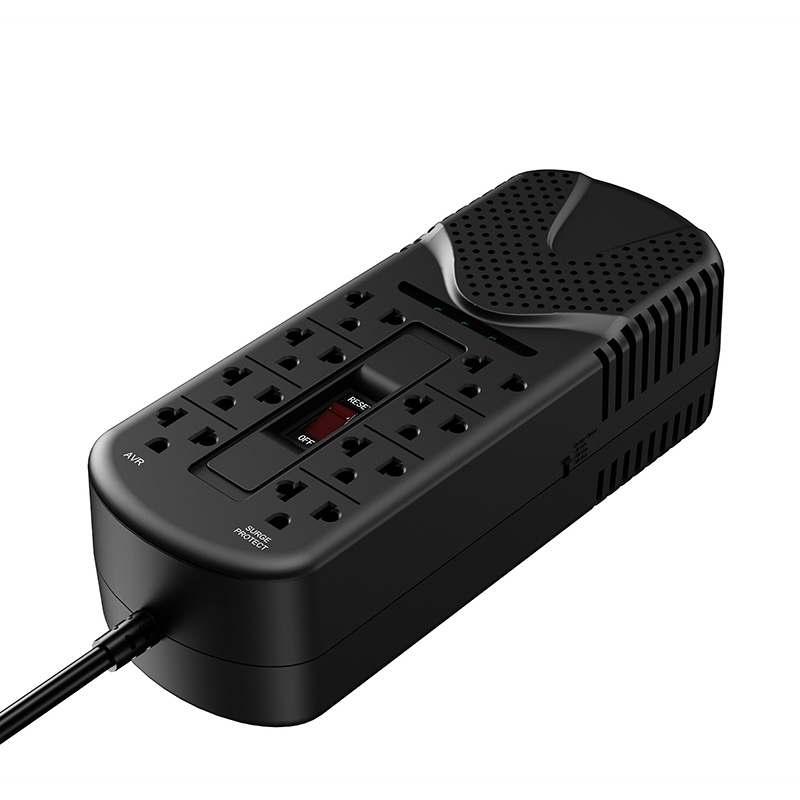
An Automatic Voltage Regulator (AVR), also known as a voltage stabilizer, actively maintains a stable output voltage even when input voltage fluctuates within a wide range.
Yixing AVRs support:
-
Wide input range (90V–260V)
-
Stable and consistent output voltage
-
Multiple capacity options (500VA–5000VA)
-
Suitable for single appliances or whole-room solutions
Unlike surge protectors, AVRs do not simply disconnect power. Instead, they adjust internal transformer ratios to increase or decrease voltage in real time, ensuring appliances receive safe and consistent power.
This is particularly important in countries where voltage may drop to 150V or rise to 250V for extended periods.
Key Differences Between AVR and Surge Protector
| Feature | Surge Protector | AVR |
|---|---|---|
| Main Function | Cuts off power during spikes | Stabilizes voltage continuously |
| Response Type | Reactive protection | Active regulation |
| Best For | Sudden surges & extreme voltage | Ongoing voltage fluctuation |
| Application | Refrigerator, TV, AC | Electronics, AC, office equipment |
| Cost Level | Lower | Higher |
For importers and wholesalers, understanding this difference is critical when selecting products for customers like appliance distributors and electrical solution providers.
In many developing regions, customers actually need both devices. A surge protector handles sudden spikes, while an AVR ensures stable operation throughout the day.
Which One Should You Choose?
If your market mainly suffers from sudden high-voltage spikes after power restoration, a surge protector is a cost-effective solution.
If voltage frequently fluctuates for long periods, an AVR is more suitable.
In high-demand markets such as Kenya, Nigeria, and Mexico, distributors often combine both products to create a complete electrical safety solution.
As a professional manufacturer with in-house SMT, injection molding, assembly, and strict quality control systems , Yixing ensures stable supply capacity and consistent quality—two critical factors for B2B buyers.
Our products are CE and ISO9001 certified, and we provide OEM/ODM services including customized voltage, plug standards, shell design, and packaging.
For wholesalers who value competitive pricing, stable delivery, and long-term partnership, choosing a reliable factory partner makes the difference.
Protect correctly, choose wisely, secure your market advantage.
How Does an Automatic Voltage Regulator Work?
Voltage fluctuations silently destroy appliances, increasing maintenance costs and customer complaints. Unstable output shortens equipment lifespan. A reliable AVR solves this problem.
An Automatic Voltage Regulator (AVR) works by automatically adjusting internal transformer taps to stabilize output voltage. When input voltage rises or falls beyond normal levels, the AVR compensates in real time to maintain a safe and consistent output, protecting appliances from long-term electrical damage.
Understanding the working principle helps distributors explain product value to end customers.
Core Working Principle of an AVR
An AVR continuously monitors incoming voltage from the power grid. When the voltage drops below the preset range, the AVR boosts it. When the voltage exceeds safe levels, the AVR reduces it.
The internal system typically includes:
-
Transformer with multiple taps
-
Control circuit board
-
Voltage detection module
-
Relay switching system
-
Protection circuit
When voltage fluctuation is detected, the control board signals the relay to switch to the appropriate transformer tap, ensuring stable output.
This entire process happens automatically within milliseconds.
Why Is AVR Important in Unstable Power Regions?
In many developing countries, voltage does not remain stable at 220V or 110V. Instead, it may fluctuate between 140V and 260V throughout the day.
Such instability can:
-
Overheat compressors in air conditioners
-
Damage refrigerator motors
-
Burn TV power boards
-
Reduce lifespan of office equipment
Yixing AVRs are designed for these environments, with wide input ranges (90V–260V) and stable output performance.
Yixing AVR Advantages
At Wenzhou Yixing Electronic Technology Co., Ltd., we integrate R&D, production, and testing in-house. This ensures:
-
Strict quality inspection at every stage
-
Stable monthly production capacity
-
100% product testing before delivery
-
CE certification and ISO9001 management system
-
OEM/ODM customization support
Our AVRs are widely exported to Africa, Latin America, the Middle East, and Southeast Asia, where voltage instability creates strong market demand.
Types of AVR Applications
-
Single Appliance Protection
Ideal for refrigerators, TVs, and computers. -
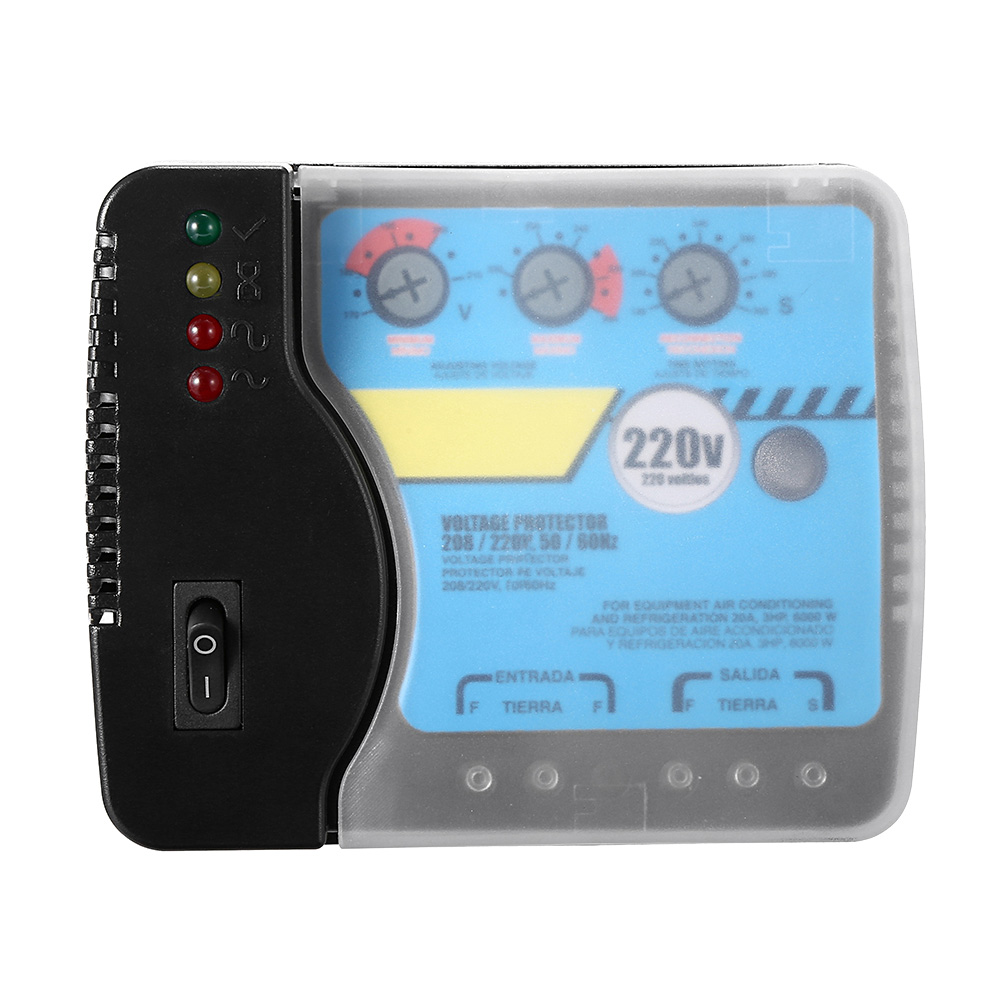
Air Conditioner Protection
High-power AVR models (30A / 3600W) for compressors. -
Multi-Outlet Stabilizers
Protect multiple devices simultaneously (TV + router + decoder).
For distributors, offering multiple capacity options (500VA–5000VA) increases product line competitiveness and profit margin.
When customers understand that an AVR does not just cut power—but actively corrects voltage—they recognize its higher value compared to basic protectors.
Stable voltage means stable business.
Choose professional manufacturing. Choose reliable voltage protection.
 English
  Español
  Deutsch
  Français
  Italiano
  Português