
How does voltage protector plug shut off during power surge?
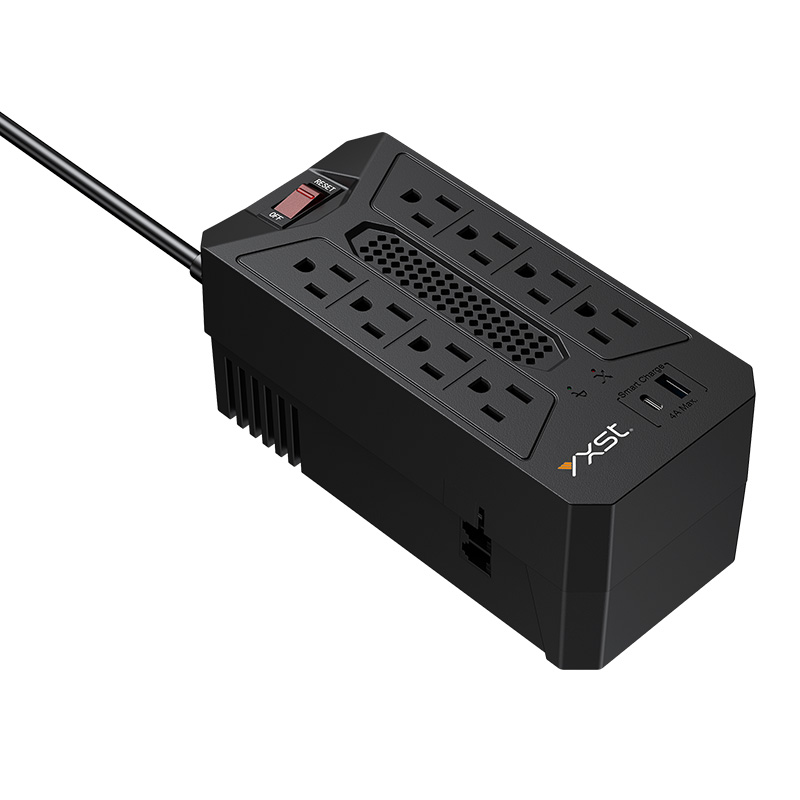
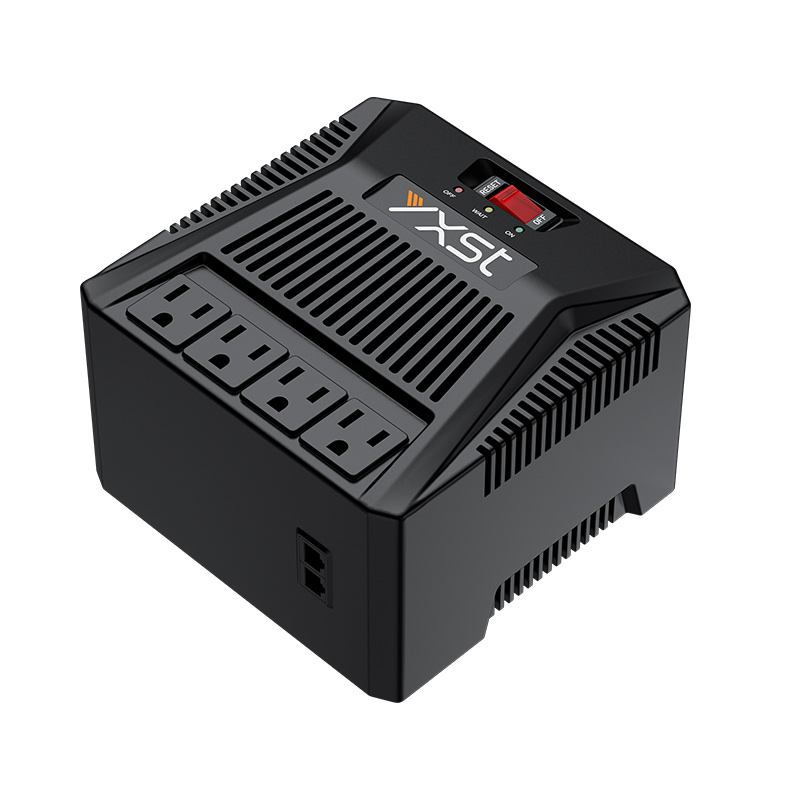
Voltage protector plug’s function of automatically shutting down during a power surge is achieved through its internal protection components and mechanisms. These components respond quickly when the voltage is abnormal, controlling the overvoltage within a safe range or disconnecting the line, thereby protecting the safe operation of equipment and systems.
Voltage protector plug is designed to protect electrical devices from damage caused by power surges or voltage spikes. Here’s how it works and how it automatically shuts off during a power surge.
Components of a Voltage Protector Plug
Metal Oxide Varistor (MOV):
The primary component responsible for clamping voltage surges. An MOV is a voltage-dependent resistor that changes its resistance based on the voltage applied. During normal operation, it has a high resistance, which allows regular voltage to pass through. When a surge occurs, the MOV’s resistance drops, allowing the excess voltage to be diverted to the ground.
Fuse or Circuit Breaker:
Many surge protectors include a fuse or a circuit breaker that provides an additional level of safety. If the MOV is overwhelmed or if the fault lasts too long, the fuse will blow or the breaker will trip to disconnect the power.
Indicator Lights:
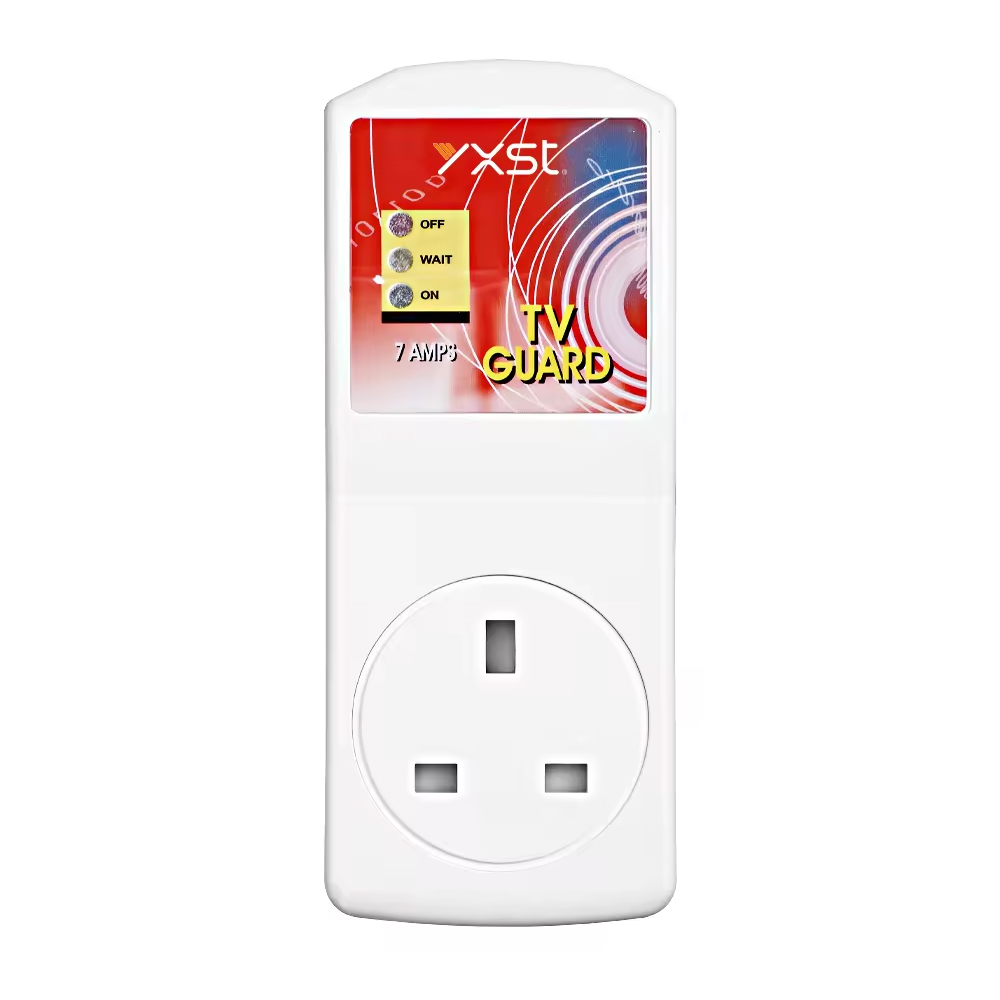
Many voltage protector plugs come with indicator lights to show operational status, such as whether the unit is functioning correctly or whether it has been compromised.
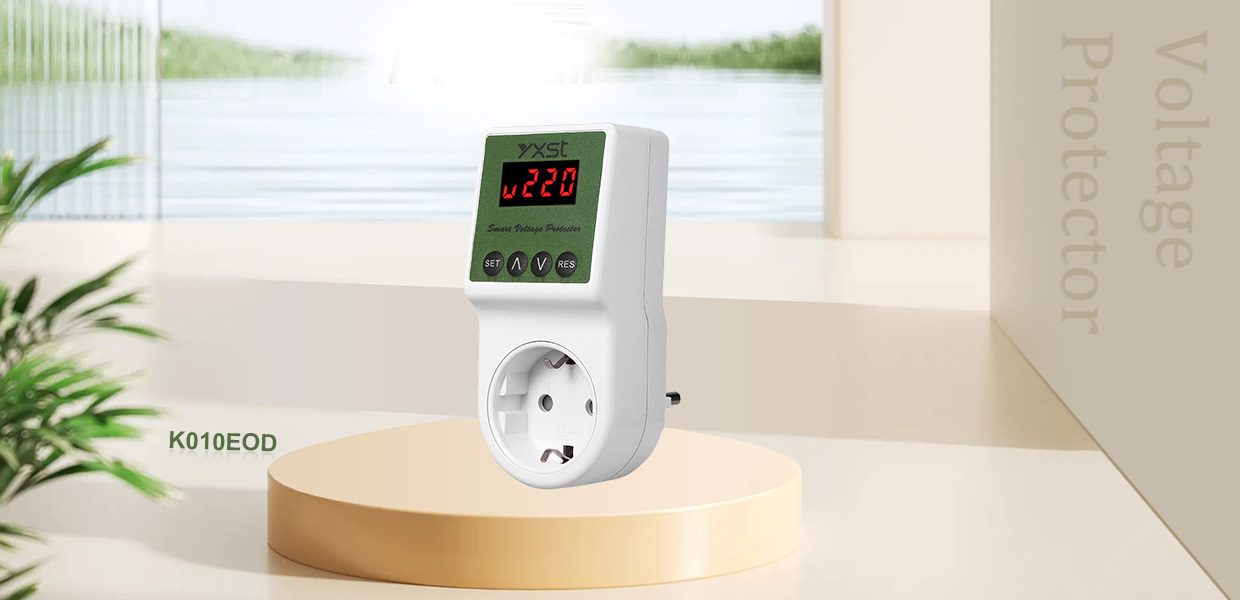
Working principle of voltage protector plug
Detection of Voltage Surge:
When a voltage spike occurs, such as from a lightning strike or a malfunction in the power grid, the voltage level exceeds a predetermined threshold.
Activation of MOV:
Upon detecting this surge, the MOV rapidly responds by transitioning from high resistance to low resistance, creating a path for the excess voltage to flow to the ground. This effectively clamps the voltage and prevents it from reaching connected devices.
Shutting Off Power:
If the surge is too high or lasts too long, the current flowing through the MOV can exceed its handling capacity, which may cause it to fail. In most designs, this can lead to the opening of the circuit via an internal fuse or activation of a circuit breaker. This action disconnects the power to the outlet, preventing further damage to connected devices.
Restoration:
After the surge event, if the surge protector has tripped, you may need to manually reset the circuit breaker or replace the blown fuse to restore power. Some surge protectors have automatic reset features, but this varies by model.
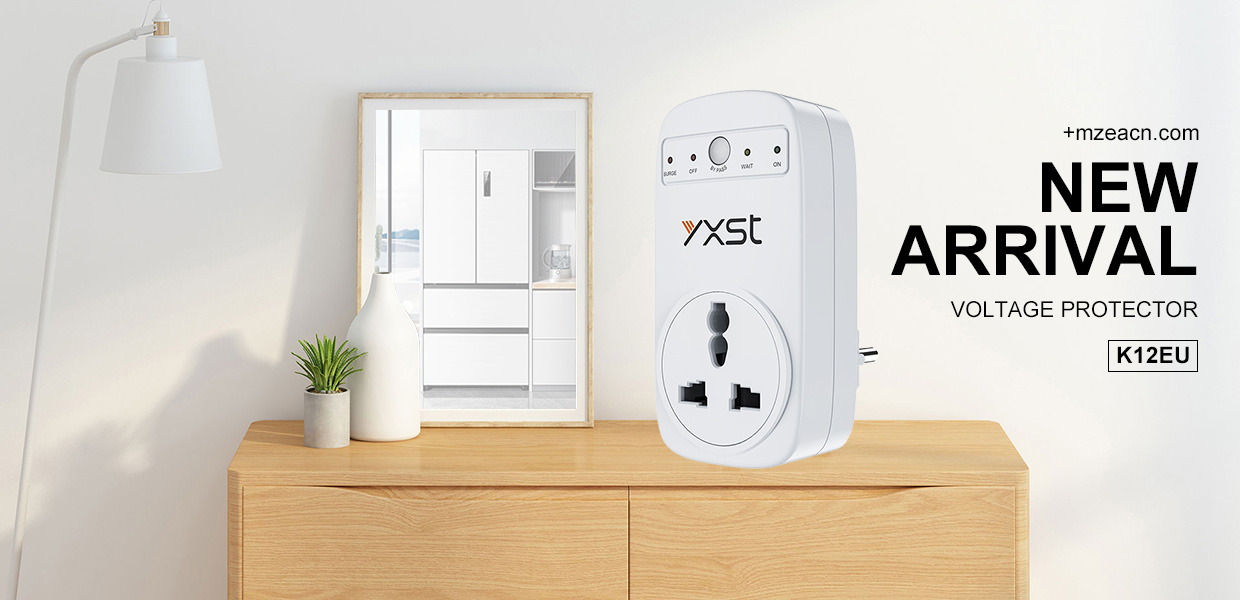
High-power appliances such as air conditioners, TVs, and refrigerators in the home are easily damaged by grid voltage fluctuations (such as increased phase voltage due to neutral line failure). Voltage protection plugs use built-in varistors or intelligent control modules to cut off power when the voltage exceeds the threshold to prevent damage to the equipment.
The application scenarios of voltage protection plugs cover the home and office fields. Its core value lies in actively preventing voltage anomalies to avoid equipment damage and safety accidents. When selecting, it is necessary to comprehensively consider the protection type (overvoltage, surge), load power and environmental requirements, and combine the hierarchical protection strategy to achieve all-round protection.
Voltage protector plug Summary
Voltage protector plug protects your devices by detecting harmful voltage spikes and automatically clamping the surplus voltage with an MOV.
If the surge is too severe, it can trigger a fuse or circuit breaker that shuts off power, providing effective protection against damage caused by surges.
Always ensure that your surge protector is rated for the devices you are using, and periodically check that it is functioning correctly.
Further reading
→ How does voltage protector plug shut off during power surge?
 English
  Español
  Deutsch
  Français
  Italiano
  Português