
Air Conditioner Surge Protector: Essential Protection Guide
Why You Need a Surge Protector for Your Air Conditioner
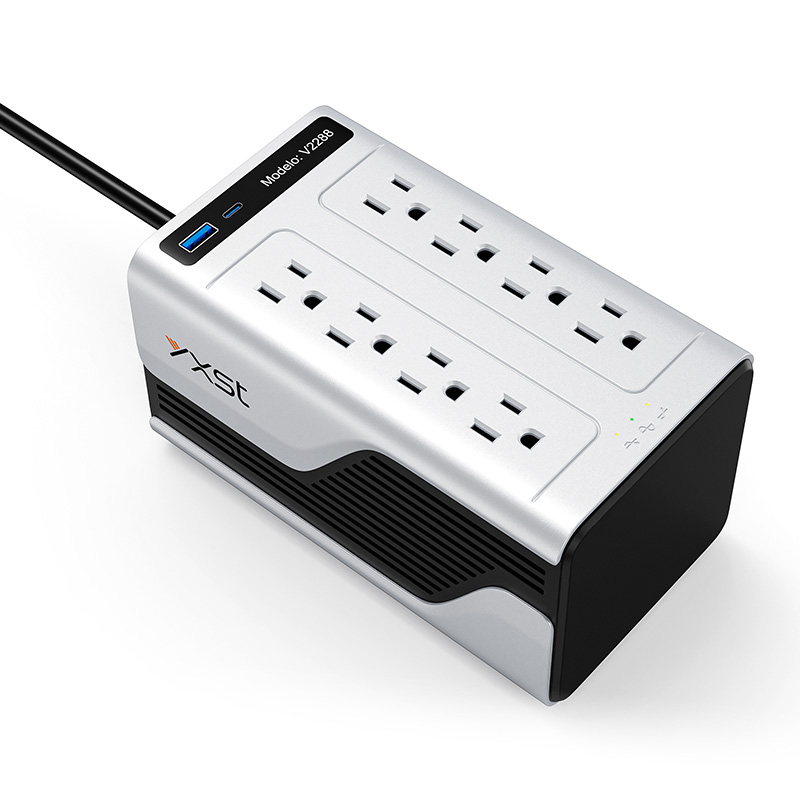
Air conditioners are significant investments, and protecting them from electrical surges is crucial. Power surges—caused by lightning strikes, grid fluctuations, or appliance cycling—can damage your AC’s compressor, control board, or other sensitive components.Air Conditioner Surge Protector acts as a shield, cutting off overvoltage before it reaches your equipment.
Common Scenarios Where Surge Protectors Are Vital
◆ Thunderstorms: Lightning-induced surges can fry electronics instantly.
◆ Power Outages & Restorations: Sudden power returns often cause voltage spikes.
◆ High-Power Appliances: Refrigerators or HVAC systems cycling on/off create minor surges that accumulate over time.
Pain Points Solved by Surge Protectors
✔ Prevents Costly Repairs – Replacing a damaged compressor can cost hundreds.
✔ Extends AC Lifespan – Consistent surges degrade components over time.
✔ Avoids Unexpected Breakdowns – No one wants AC failure during a heatwave.
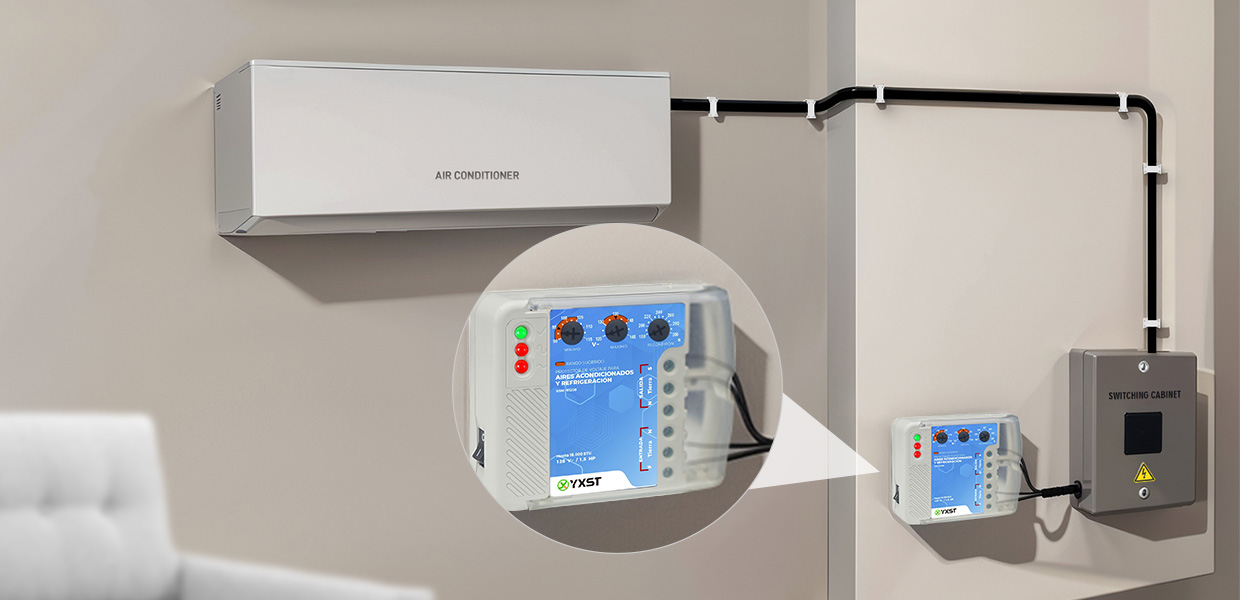
Where to Install an Air Conditioner Surge Protector
Whole-House Surge Protector (Best for Central AC)
◆ Installed at the main electrical panel by an electrician.
◆ Protects all home appliances, including central air conditioning.
◆ Ideal for 220V systems (common in central AC units).
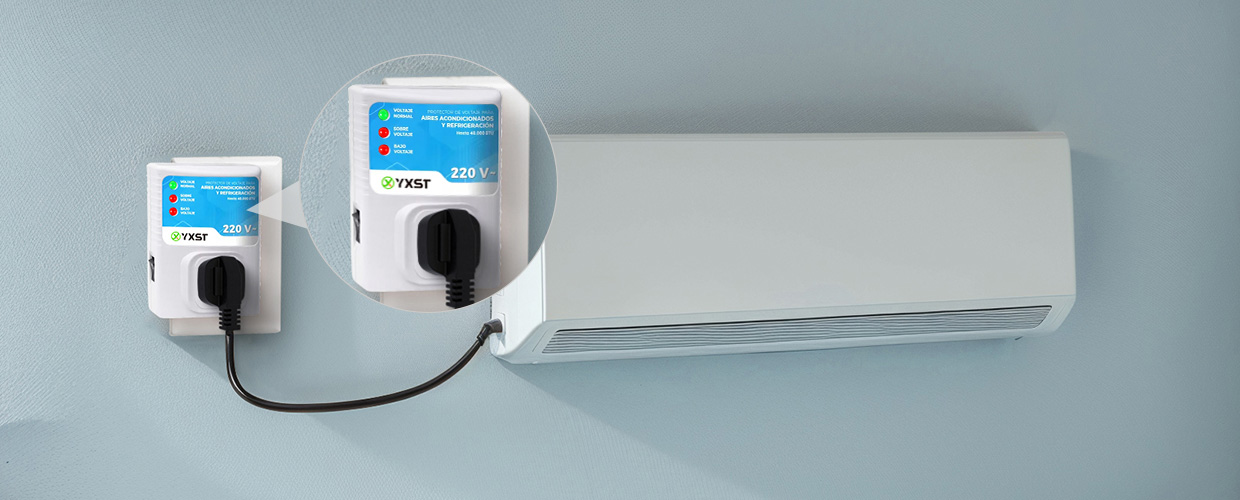
Plug-in Surge Protector (For Window & Portable AC)
◆ Used for 120V windows or portable air conditioners.
◆ Must be a heavy-duty surge protector (not a basic power strip).
◆ Plug the AC into the surge protector (no daisy chain).
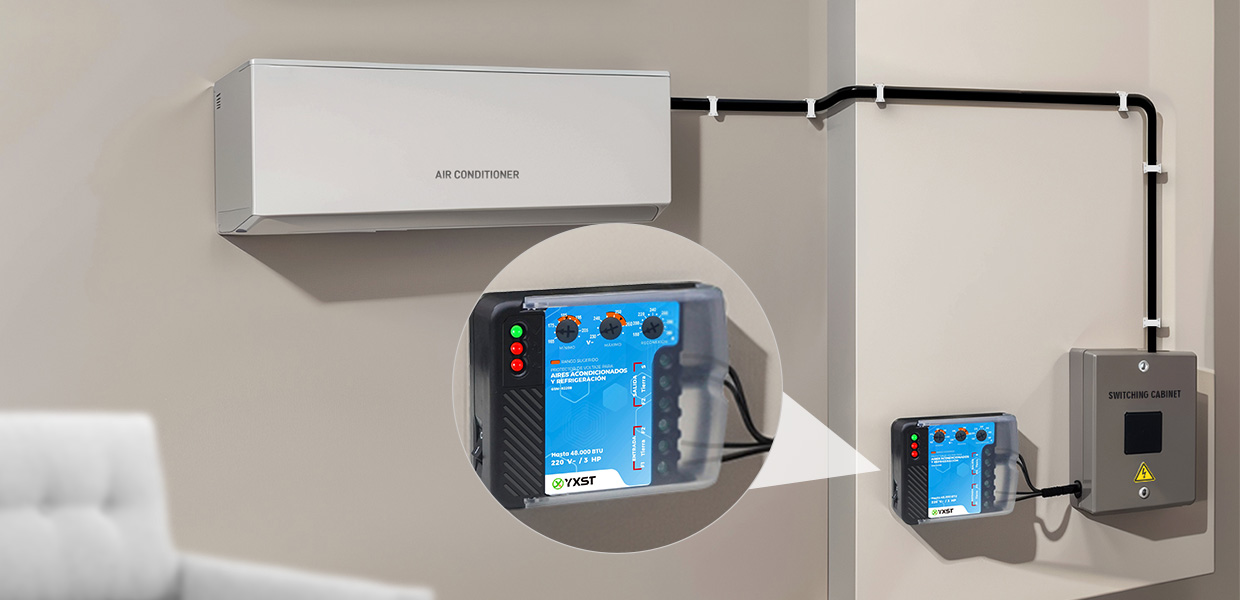
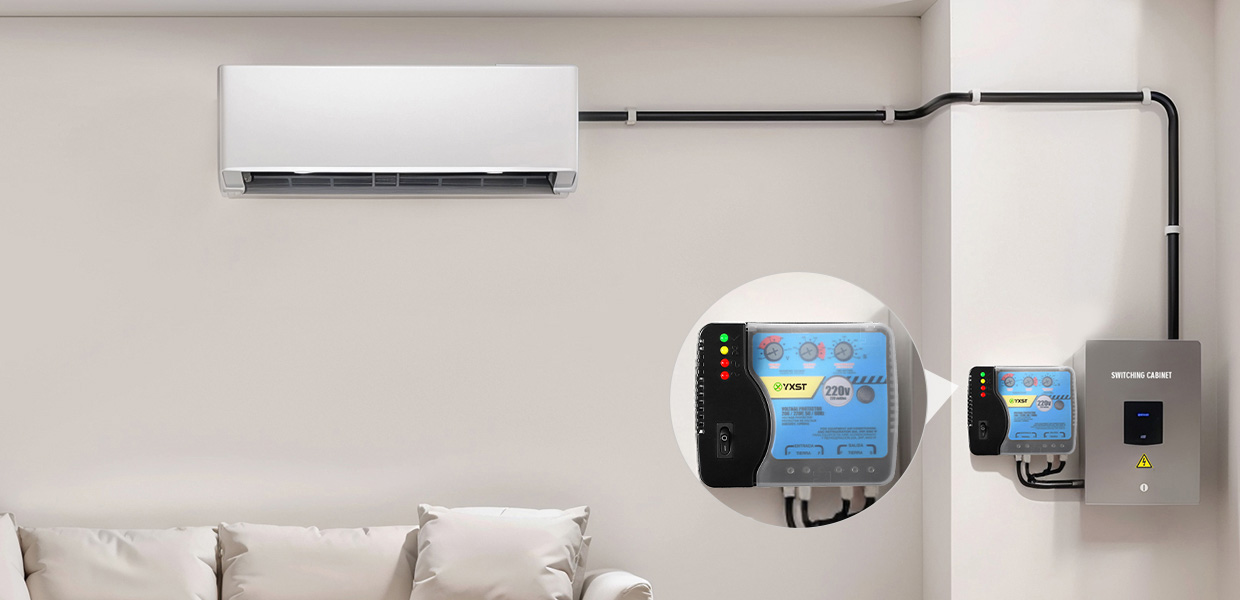
Hardwired Surge Protector (For Mini-Split Systems)
◆ Installed between the outdoor condenser and electrical supply.
◆ Best for ductless mini-split air conditioners.
How Many Joules Surge Protector for Air Conditioner?
Surge protectors are rated in joules—the higher the number, the more energy it can absorb.
| AC Type | Recommended Joule Rating |
|---|---|
| Window AC (120V) | 1,000–2,000 joules |
| Portable AC | 1,500–3,000 joules |
| Central AC (220V) | 3,000+ joules (whole-house) |
Pro Tip: Look for a UL 1449 or CE certified surge protector for reliable performance.
Can You Plug a Window AC into a Surge Protector?
✅ Yes, but with conditions:
◆ Use a heavy-duty surge protector (not a cheap power strip).
◆ Ensure the surge protector’s wattage rating exceeds the AC’s needs.
◆ Avoid extension cords—plug directly into a wall outlet.
❌ Avoid if:
◆ The surge protector is undersized (check label for amps & watts).
◆ The AC manual prohibits it (rare but possible).
Best Air Conditioner Surge Protector Features for AC Units
When choosing a surge protector for air conditioner, look for:
🔹 High Joule Rating (1,500+ for window ACs, 3,000+ for central AC).
🔹 LED Status Indicators (alerts when protection is active/failed).
🔹 Wide Clamping Voltage (under 400V for optimal protection).
🔹 Heavy-Duty Outlets (for high-wattage appliances).
220V Surge Protectors for Central Air Conditioners
Central AC units typically run on 220V, requiring a whole-house surge protector installed at the breaker panel. Key considerations:
✔ Hire a licensed electrician for safe installation.
✔ Choose a 40kA+ surge rating for maximum protection.
✔ Look for a warranty (some cover connected equipment damage).
Final Verdict: Is a Surge Protector Worth It?
Absolutely! surge protector for air conditioners is a small investment compared to repair costs. Whether you have a window, portable, or central AC, proper surge protection ensures reliable cooling and peace of mind.
Next Steps:
◆ For window/portable ACs, buy a 1,500+ joule surge protector.
◆ For central ACs, consult an electrician about a whole-house unit.
◆ Always check wattage compatibility before plugging in.
By taking these steps, you’ll keep your air conditioner running smoothly for years!
Whether you own a window unit, portable AC, or central air system, power surges—caused by storms, grid fluctuations, or appliance interference—can lead to expensive repairs or premature failure.
Don’t wait for a power surge to strike—take action now to extend your AC’s lifespan, avoid costly breakdowns, and enjoy uninterrupted cooling during peak seasons. Small investment today can save you hundreds (or even thousands) in future repair costs. Stay cool, stay protected!

 English
  Español
  Deutsch
  Français
  Italiano
  Português