
15A voltage protector manufacturer tells if freezer needs voltage protection?
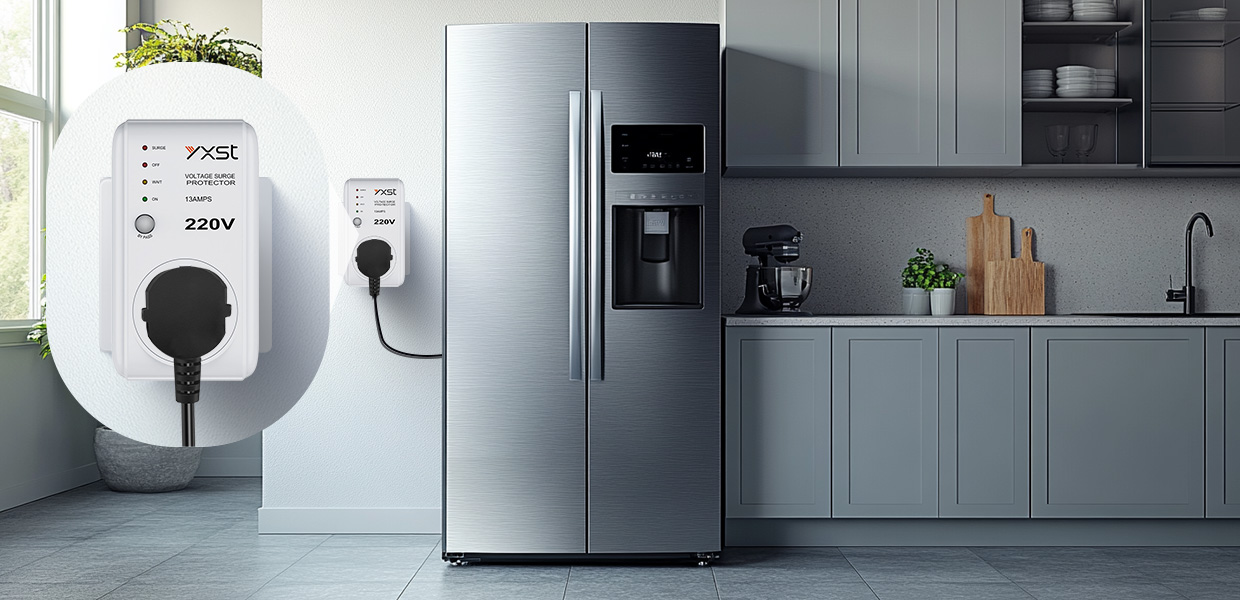
15A voltage protector manufacturer tells your,If you’re considering whether or not to use a voltage protector for your freezer, here are some factors to help you decide:
Power Supply Stability in Your Area:
If you live in an area with frequent voltage fluctuations (spikes or drops) or power surges, it’s highly recommended to use a voltage protector.
Voltage instability can damage sensitive electronic components, especially the compressor and motor in a freezer, leading to reduced efficiency, premature wear, or even failure.
Age of Your Freezer:
Older freezers or appliances with less advanced internal protection are more vulnerable to voltage issues. Modern freezers often have some built-in protection, but it’s still a good idea to use an external voltage protector for additional safety.
Energy Consumption and Appliance Size:
If your freezer draws a significant amount of current (15A in this case, which is about 1800 watts at 120V or 3300 watts at 230V), it’s especially important to use a voltage protector. Protecting high-power appliances from electrical surges is essential to prevent costly repairs or replacements.
Manufacturer Recommendations:
Some freezer manufacturers may recommend or warn against using certain types of voltage protectors, as improper use could potentially void warranties. Always check your freezer’s user manual to see if a voltage protector is recommended.
How to Know if Your Freezer Needs Protection:
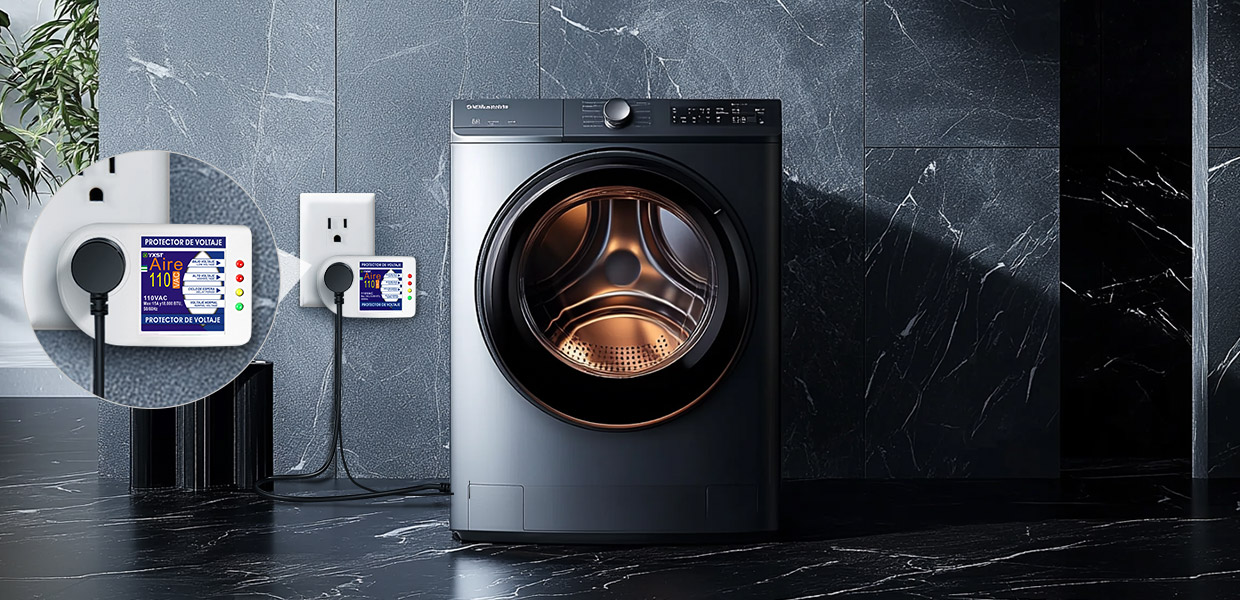
Observe power stability: If you notice frequent power surges (lights flickering, appliances turning on/off unexpectedly), you might want to install a voltage protector.
Freezer issues: If your freezer is acting erratically (e.g., not maintaining a consistent temperature), it could be due to power issues, and a voltage protector might help prevent further damage.

What a 15A Voltage Protector Does:
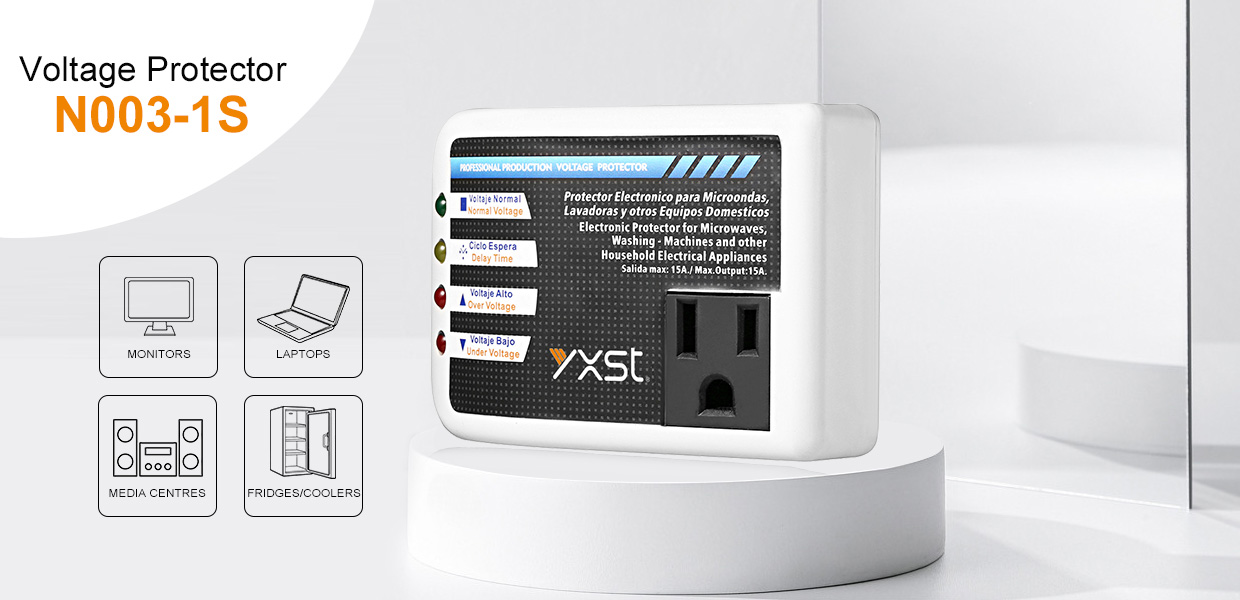
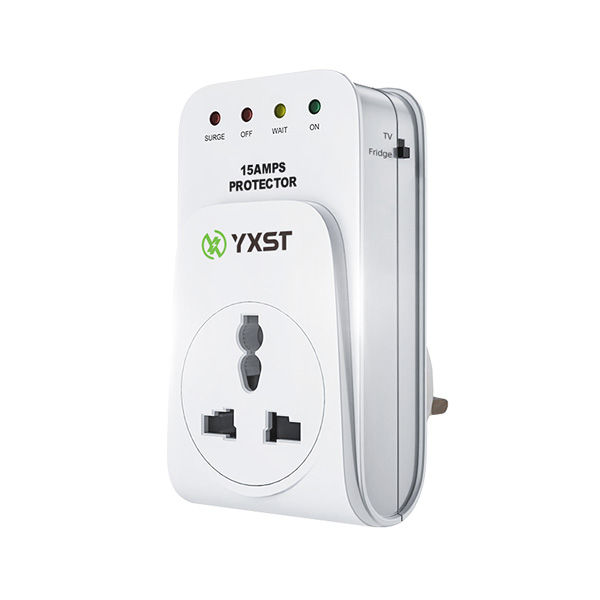
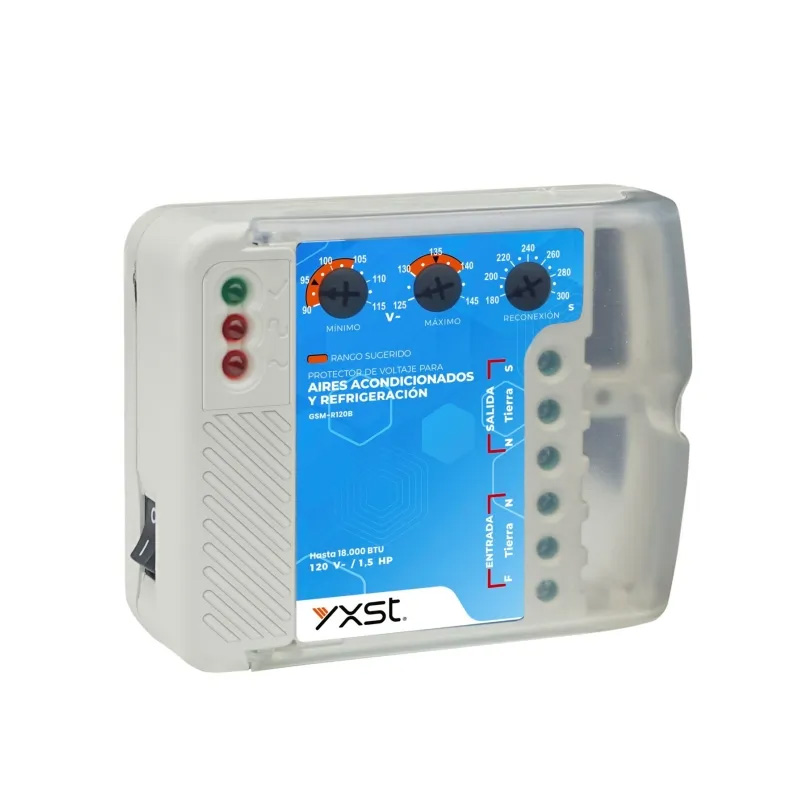
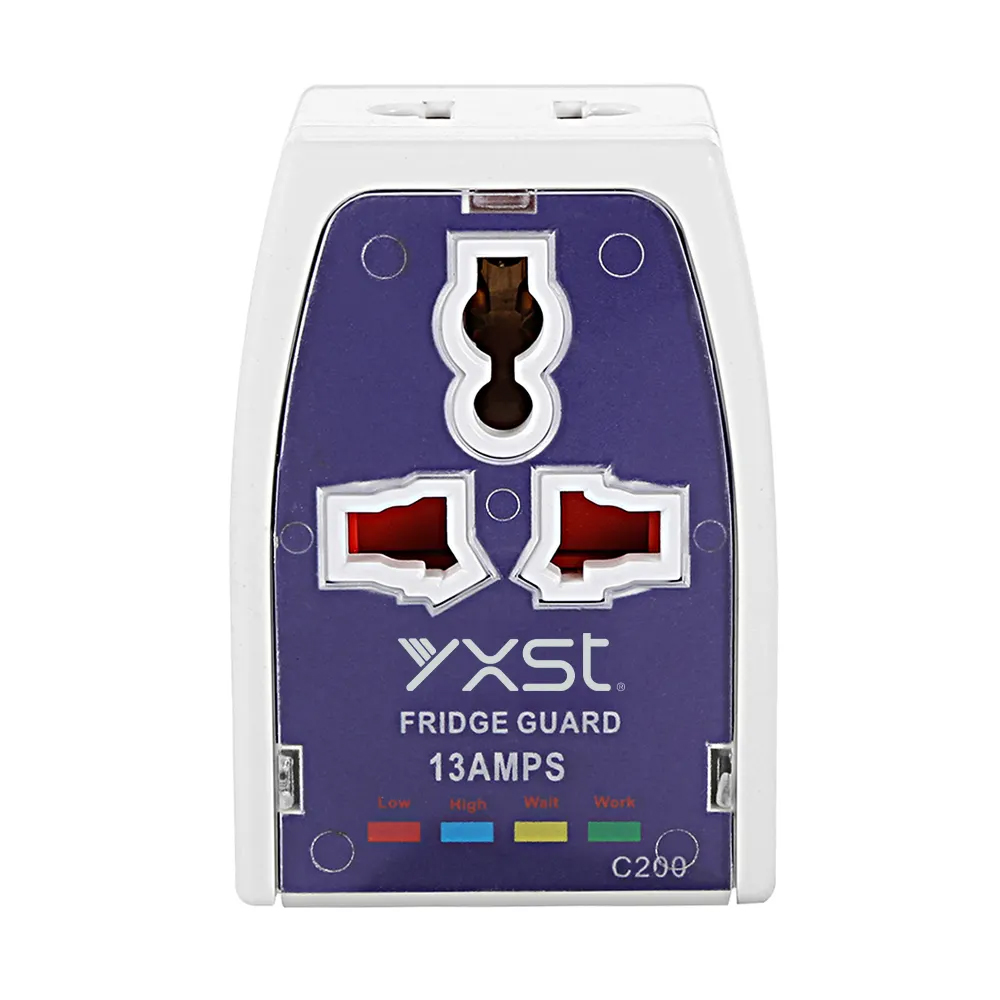
A 15A voltage protector will continuously monitor the incoming voltage and disconnect the freezer from the power supply if it detects an unsafe voltage level. It doesn’t “tell” you whether protection is needed but will automatically intervene when the power is unstable.
Over-voltage protection: The protector will disconnect the freezer from the electrical supply if the voltage exceeds a safe threshold. This prevents damage caused by high voltage spikes.
Under-voltage protection: The device will also cut the power if the voltage drops below a certain level. Low voltage can cause motors and compressors to run inefficiently or even get damaged over time.
Current rating (15A): The 15A rating indicates that the protector is designed to handle appliances that draw up to 15 amps of current, which is typical for household freezers or refrigerators.
Surge protection: Voltage protectors often include surge protection to prevent damage from lightning strikes or power line issues.
Delay function: Some models include a delay mechanism that prevents the freezer from turning on immediately after a power outage, which can protect the compressor from damage caused by short cycling.
Easy installation: Voltage protectors can typically be installed between the power outlet and the freezer, often in the form of a plug-in unit.
Indicators: Many models come with LED indicators or alarms to show whether the appliance is protected, whether there’s an issue with voltage, or if the device is actively working.
15A Voltage Protector freezer Conclusion:
If you live in an area with unstable power or if you’re experiencing issues like frequent power cuts, voltage fluctuations, or spikes, using a voltage protector is a smart choice for your freezer. While the protector doesn’t inform you of the need for protection, it automatically provides it whenever necessary. The 15A rating indicates it’s designed for appliances that draw up to 15 amps, which is common for larger freezers or refrigerators.
Related Questions Answered
Q: Is the rated current of the 15A voltage protector sufficient to cover the starting current of the refrigerator?
A: Whether the rated current of the 15A voltage protector can cover the starting current of the refrigerator needs to be judged in combination with the peak starting current of the refrigerator. If the starting current of the refrigerator does not exceed the instantaneous carrying capacity of the protector (need to check the specific product parameters), the 15A protector can meet the needs; otherwise, a higher capacity device needs to be selected.
Q: How does the manufacturer define “voltage instability”? In which voltage fluctuation range does the refrigerator need protection?
A: Manufacturers usually define “voltage instability” as voltage fluctuations that exceed the safety range of the equipment, including overvoltage, undervoltage, and frequent fluctuations (such as multiple times a day). The refrigerator needs to be protected within the following ranges:
- Undervoltage protection: usually 15% lower than the rated voltage (such as a 230V system needs to be protected below 195V) to prevent the compressor from overloading due to insufficient power supply.
- Overvoltage protection: 10% higher than the rated voltage (such as a 230V system needs to be protected above 253V) to avoid damage to the motor windings or electronic components.
In addition, frequent fluctuations (such as more than once a week) still require a voltage stabilizer or protector to reduce long-term damage even if they do not exceed the threshold.
Q: Does the refrigerator compressor have a built-in overvoltage/undervoltage protection function? Is it necessary to install an additional voltage protector?
A: Some refrigerator compressors (especially industrial-grade models) may have built-in basic protection modules, such as overvoltage, undervoltage, and phase loss protection. However, this type of protection is usually only for extreme abnormal voltages (such as continuous overlimit) and cannot cope with frequent fluctuations or instantaneous spikes. Therefore, in areas with unstable voltage (such as frequent power outages and areas prone to lightning), even if the compressor has basic protection, it is still necessary to install an additional voltage protector. The reasons include:
- Extend the life of the equipment: built-in protection focuses on emergency disconnection, while external protectors can reduce the cumulative damage to the compressor caused by daily voltage fluctuations.
- Deal with complex scenarios: The voltage protector integrates functions such as delayed restart and surge absorption to avoid frequent start and stop of the compressor.
- Compatibility optimization: Some household refrigerators may not have built-in protection and must rely on external equipment to ensure safety.
In summary, it is recommended that additional protection be evaluated based on grid stability, and voltage protectors are still a necessary supplement in high-fluctuation scenarios.
 English
  Español
  Deutsch
  Français
  Italiano
  Português