
Is a Surge Protector or Voltage Stabilizer Better for Your Computer?
Unstable voltage can silently damage computers, leading to unexpected shutdowns, data loss, and costly hardware failure. Using the wrong protection device increases these risks, especially in regions with poor power quality. Choosing the right solution depends on your local electricity conditions and computer usage.
A surge protector shields computers from short, high-voltage spikes caused by lightning or grid switching, while a voltage stabilizer (AVR) continuously regulates unstable voltage levels. In areas with unreliable electricity, a voltage stabilizer provides broader and more effective protection, whereas surge protectors are suitable for mostly stable power environments.
To protect your computer investment long term, understanding the real difference between these two devices is critical.
Table of Contents
ToggleUnderstanding the Power Risks Faced by Computers
Modern computers are highly sensitive electronic systems. Core components such as power supply units, motherboards, CPUs, and storage drives require stable voltage to operate safely. Unfortunately, in many regions—including Africa, Latin America, the Middle East, and Southeast Asia—electricity grids are far from stable.
Common power issues include voltage surges, sudden spikes, brownouts (low voltage), overvoltage, and frequent power interruptions. While these problems may not destroy a computer immediately, repeated exposure significantly shortens its lifespan. Symptoms such as random reboots, corrupted files, system crashes, and burned power supplies are often direct consequences of unstable power.
For computer importers, wholesalers, and retail shop owners, these failures translate into customer complaints, warranty disputes, after-sales costs, and reputational damage. That is why choosing the correct power protection device is not optional—it is a business necessity.
What Does a Surge Protector Do?
A surge protector is designed to defend computers against sudden, short-duration voltage spikes. These spikes usually last only microseconds and are caused by lightning strikes, grid switching, or heavy electrical equipment starting or stopping.
When voltage exceeds a safe level, the surge protector diverts excess energy away from the computer, preventing instant catastrophic damage such as burned circuits or destroyed power supplies.
Surge protectors are affordable, compact, and easy to install, making them popular in homes and offices where grid voltage is generally stable. However, their limitation is critical: surge protectors do not regulate continuous voltage fluctuations.
If voltage remains too high or too low for extended periods, a surge protector will still pass unstable power directly to the computer, causing long-term internal stress.
What Does a Voltage Stabilizer (AVR) Do?
A voltage stabilizer—also known as an Automatic Voltage Regulator (AVR)—actively controls incoming voltage. Unlike surge protectors, it does not wait for damage to occur. Instead, it continuously adjusts high or low input voltage to a safe output level.
For example, if grid voltage drops to 160V or rises to 260V, an AVR can correct it back to a stable 220V output. This function is especially important for computers operating for long hours, such as those used in offices, internet cafés, design studios, and small businesses.
In regions with frequent brownouts or overvoltage, a voltage stabilizer reduces heat stress, improves power efficiency, and extends the lifespan of computer components.
From a distributor’s perspective, AVRs significantly reduce after-sales problems and improve customer satisfaction in markets with unstable electricity.
Surge Protector vs Voltage Stabilizer: Key Differences
The key difference lies in how protection is delivered.
-
Surge protectors are reactive: they respond only when a spike occurs.
-
Voltage stabilizers are proactive: they regulate voltage continuously.
Once a surge passes, a surge protector becomes passive again and offers no correction for ongoing instability.
In contrast, a voltage stabilizer monitors voltage in real time and corrects it before damage occurs.
In stable power markets, surge protectors may be sufficient.
In unstable power markets, relying only on surge protection leaves computers exposed to daily voltage stress.
Which Is Better for Your Computer?
The better choice depends entirely on local power conditions.
-
If electricity is mostly stable with rare fluctuations, a high-quality surge protector may be adequate.
-
If electricity is frequently unstable, a voltage stabilizer is the safer and more professional solution.
For many commercial users, devices that combine voltage regulation and surge protection provide the highest level of safety. This is why importers and wholesalers increasingly prefer advanced voltage protectors or AVRs, especially for computers used in business environments.
Why Power Protection Quality Matters for Importers and Distributors
Low-quality protection devices fail silently. Many use undersized components, weak relays, or fake certifications, creating hidden long-term risks.
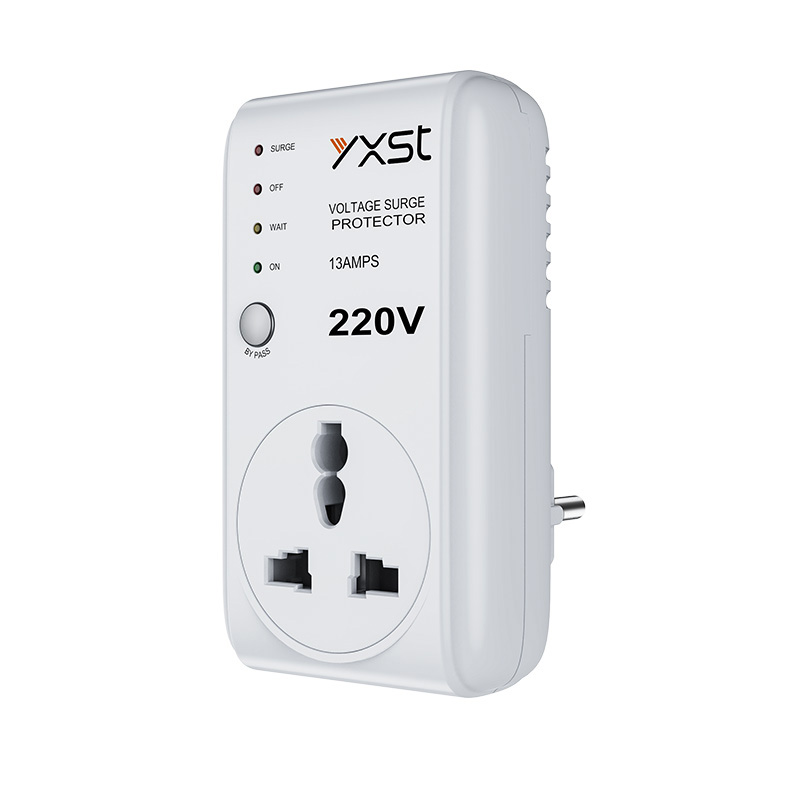
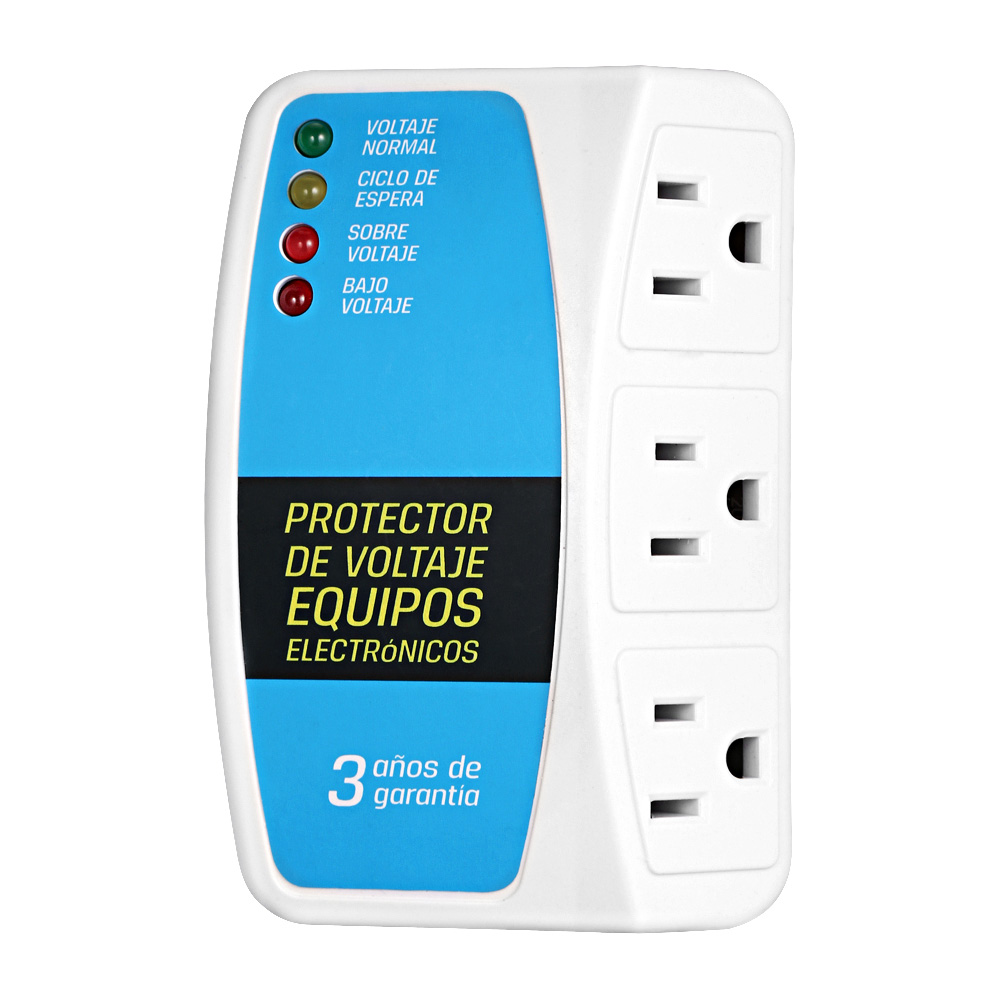
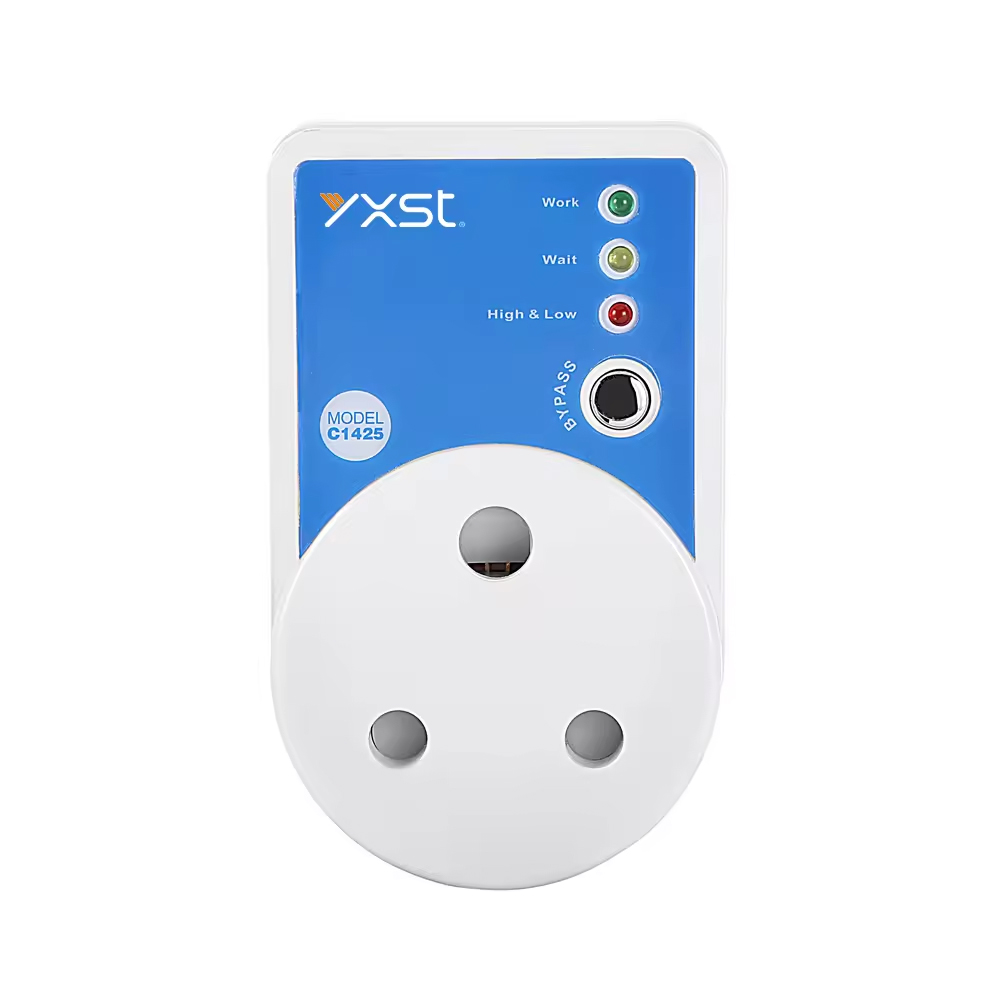
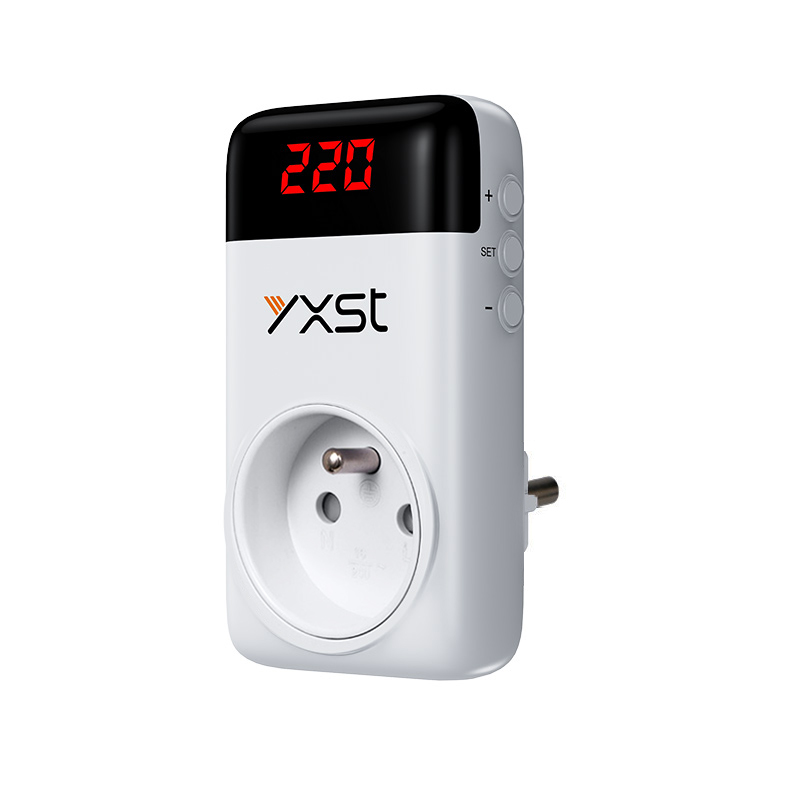
At Wenzhou Yixing Electronic Technology Co., Ltd., computer protection devices are engineered specifically for unstable power environments. With in-house SMT production, strict quality control, and 100% testing, every unit delivers consistent and reliable performance.
Yixing provides OEM and ODM customization, including US, EU, UK, and AR plug types, wide voltage ranges, and customized packaging—essential for global distributors. Products comply with CE standards and ISO9001 quality systems, ensuring long-term trust and cooperation.
Practical Recommendation
For computers in developing markets, voltage stabilizers or advanced voltage protectors are the better long-term choice. They reduce failure rates, minimize customer complaints, and protect business reputation.
Surge protectors handle spikes, but voltage stabilizers ensure long-term computer safety in unstable power environments.
 English
  Español
  Deutsch
  Français
  Italiano
  Português