
TV Surge protector Explained:Why Your TV Needs Surge Protector
In an era where electronic devices are integral to daily life, protecting your TV from voltage surges is no longer optional. TV surge protector acts as a shield against sudden power spikes caused by lightning, grid fluctuations, or appliance switching. Let’s explore how this device safeguards your investment.
How TV Surge Protector Works
TV surge protectors monitor circuit voltage in real time through built-in nonlinear components such as metal oxide varistors (MOVs) or transient voltage suppressor diodes (TVSs). When the voltage exceeds a threshold (such as 260V), the control circuit inside the protector drives a relay or electromagnetic switch to physically cut off the main power line.
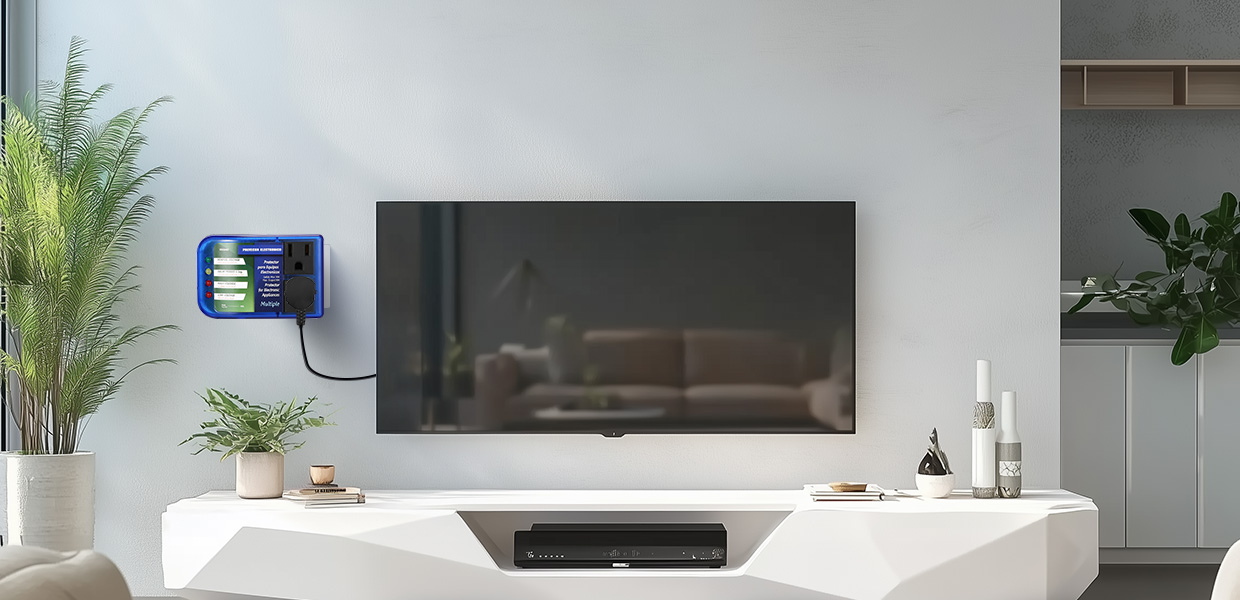
Key features of single-phase AC home TV surge protectors
Operating Voltage
◆ Nominal voltage: Usually single-phase 220V AC (Chinese standard) or 110V AC (some overseas markets), which needs to match the voltage of the home grid. For example, the NU6-III series surge protector is suitable for 230V single-phase systems, while the VoltDefender VP-1 model supports 110V AC.
◆ Voltage range: Some protectors support wide voltage input (such as 90V~140V AC) to adapt to grid fluctuations.
Under Voltage Cut-off
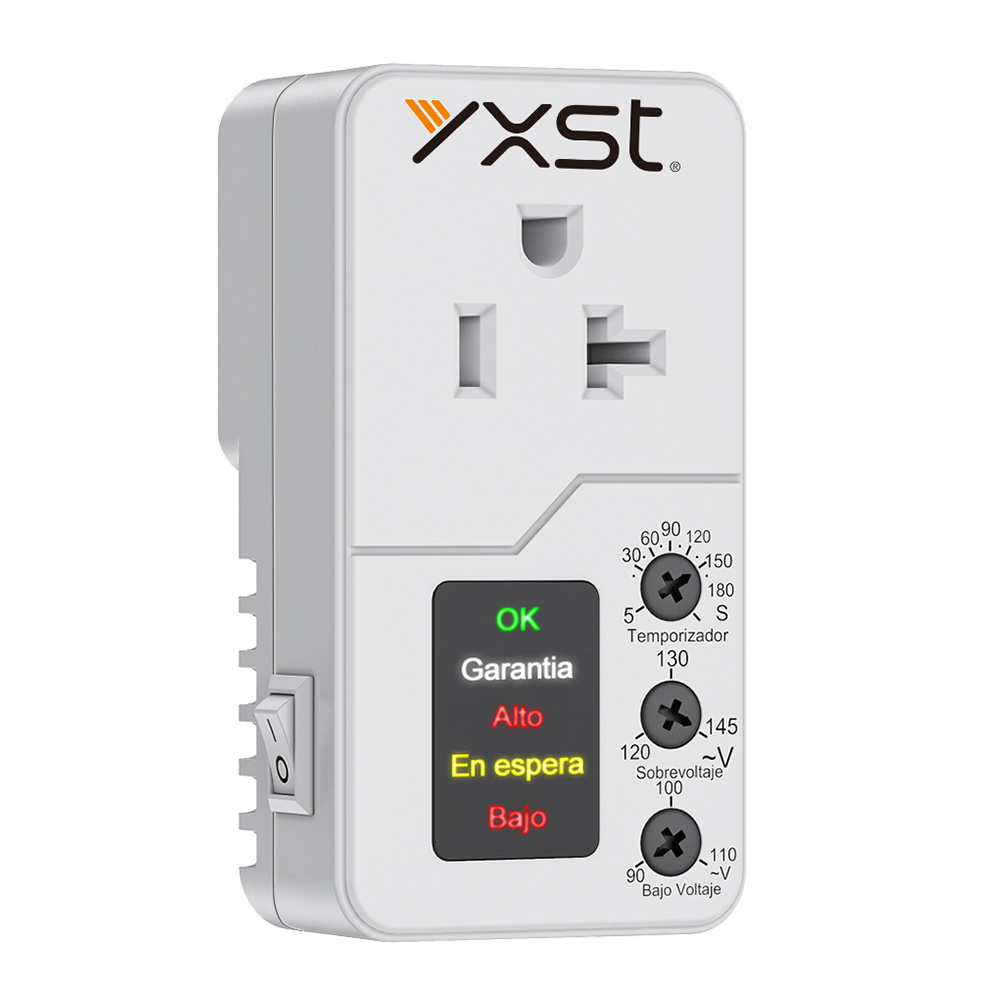
◆ Trigger threshold: When the voltage is lower than the set value (such as 90V AC), the protector automatically cuts off the power supply to prevent the equipment from being damaged by low voltage. For example, VoltDefender will trigger protection and light up a red LED warning when the voltage is <90V.
◆ Technical implementation: Real-time voltage monitoring through a microprocessor combined with a fast response circuit.
Over Voltage Cut-off
◆ Trigger threshold: Usually set to 140V AC (110V system) or 275V AC (220V system), and the power supply is cut off when the threshold is exceeded.
◆ Protection mechanism: Metal oxide varistor (MOV) or gas discharge tube (GDT) is used to discharge surge energy.
Delay Time
◆ Restart delay: The protector delays the power supply (such as 3 minutes) after the voltage returns to normal to avoid frequent switching and damage to the equipment. VoltDefender has a built-in 3-minute delay timer to ensure that the output is restored after the voltage stabilizes.
◆ Response time: The response time to surges must be ≤25 nanoseconds (ns) to quickly suppress transient overvoltage.
Output Capacity
◆ Rated current: Usually 12A~30A (home standard), which needs to match the power requirements of devices such as TVs.
◆ Load compatibility: Supports sensitive electronic devices such as TVs and computers, and some models also provide multi-socket output (such as N010).
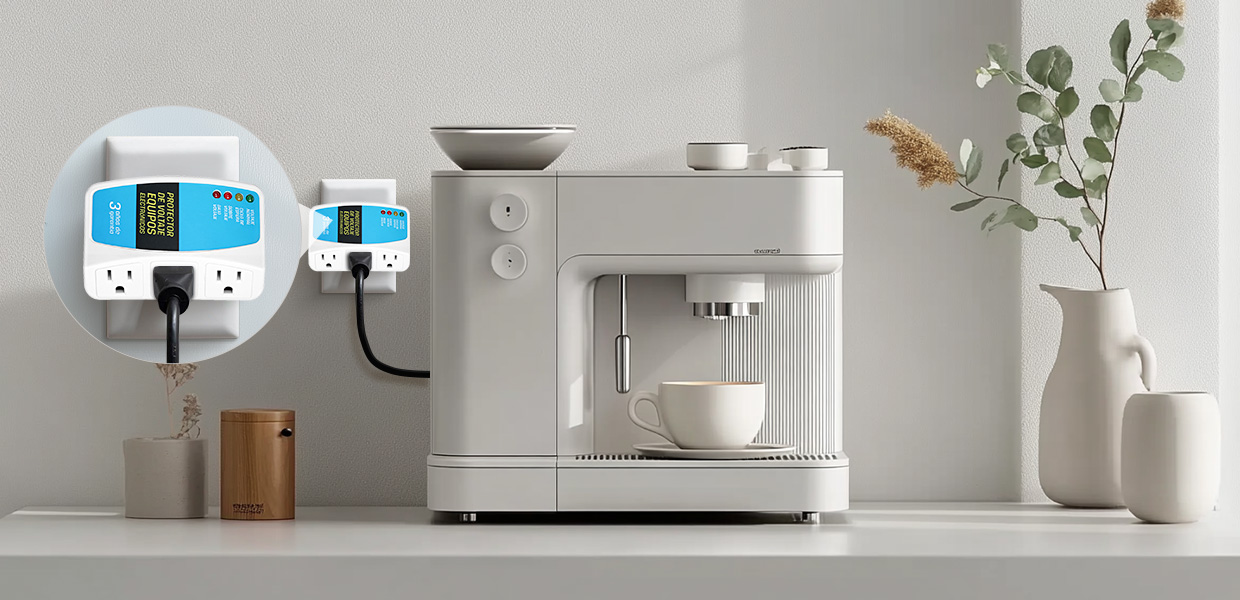
Other important features (supplement)
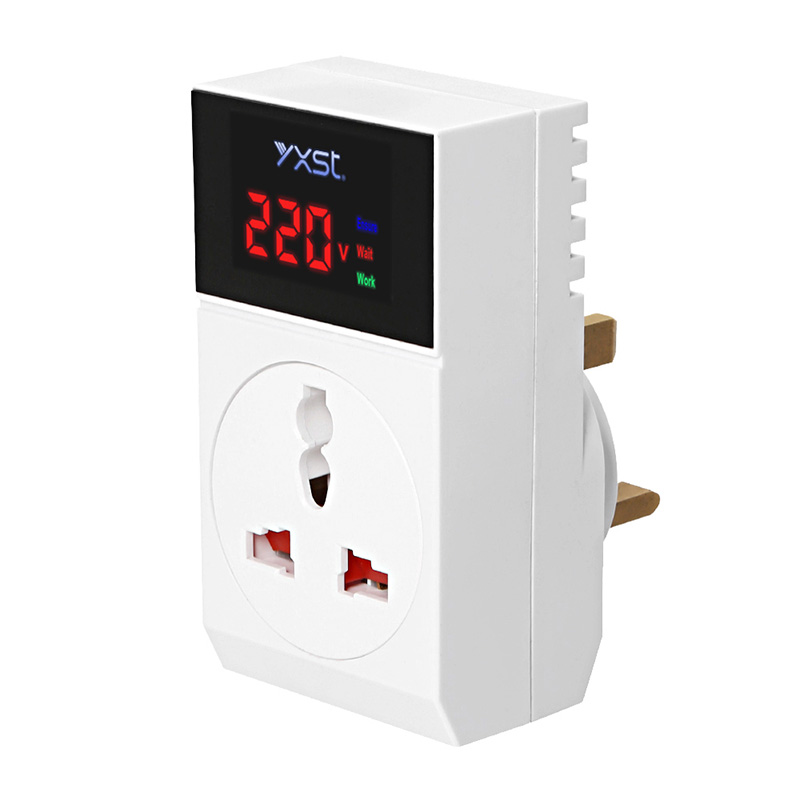
◆ Status indication: LED display (such as red/yellow/green) intuitively feedbacks voltage status.
◆ Safety certification: Complies with GB/T 18802.1, IEC 61643-1, CE, and other standards to ensure reliability.
◆ Installation method: Modular design (such as pluggable structure) is easy to maintain.
If you need to select a specific model, please refer to the brand product manual or consult the supplier.
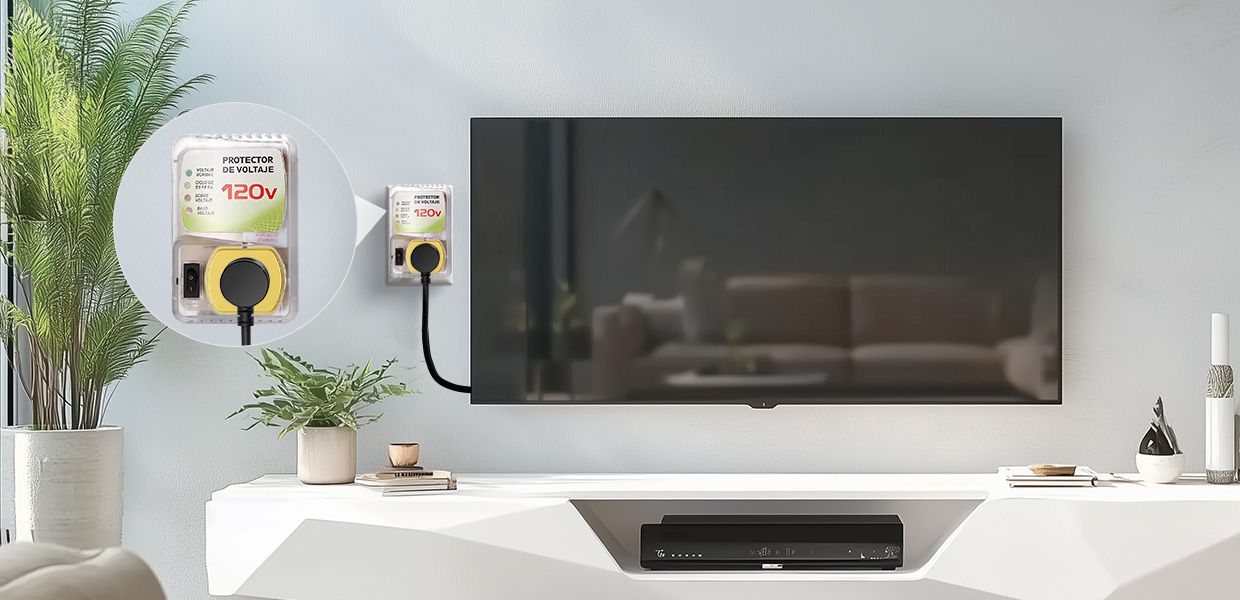
FAQ: TV Surge Protector Essentials
Q: Can I use a power strip instead?
A: Standard power strips lack surge-diverting components. Only UL 1449-certified or CE strips provide basic protection, but dedicated TV surge protectors offer superior clamping precision .
Q: How long do surge protectors last?
A: Most units protect through 3–5 major surges.
By integrating a robust TV surge protector into your home setup, you’re not just preventing hardware damage—you’re ensuring uninterrupted entertainment and extending your TV’s lifespan. For tailored solutions, consult professional suppliers like Liaoning Icekey or ANSUN, whose products combine IEC-certified protection with multi-year warranties .

 English
  Español
  Deutsch
  Français
  Italiano
  Português