
Can Low Voltage Damage Home Appliances?
Unstable power supply and frequent low voltage quietly damage home appliances, causing abnormal operation, rising repair costs, and early replacement — but the right voltage protection devices can stop this problem before losses occur. Low voltage can damage home appliances by forcing motors, compressors, and electronic control boards to work outside their safe voltage range. This leads to overheating, system failure, and reduced lifespan, especially in regions with unstable power supply. Using professional voltage protectors or automatic voltage regulators is the most effective way to prevent this damage and protect valuable equipment. Understanding the real impact of low voltage will help you choose reliable protection products and avoid unnecessary losses in daily use and business operations. Table of Contents Low voltage means the incoming power supply is below the normal operating voltage required by appliances. For example: This situation is extremely common in Africa, Latin America, the Middle East, and Southeast Asia — exactly the markets where demand for appliance protection products is highest. The main causes include: In many areas, low voltage is not occasional, but a daily condition. Low voltage does not immediately shut appliances down. Instead, it forces them to operate under long-term electrical stress. When voltage is low, motors and compressors draw higher current to keep running. This causes: Appliances most affected include: Air conditioners are extremely sensitive to low voltage, especially during compressor startup. Low voltage can cause: Many compressor failures are not caused by product defects, but by long-term low-voltage operation without protection. This is why high-current air conditioner voltage protectors (such as 30A models) are always in high demand in unstable power markets. Modern appliances rely heavily on electronic control boards. Under low voltage, appliances may experience: In many countries, control board replacement is expensive or unavailable, turning a small voltage issue into a total appliance loss. Another hidden problem is higher energy consumption. Under low voltage conditions, appliances: This results in higher bills and dissatisfied end users, even though the voltage is lower. For importers, wholesalers, and retailers, low voltage creates serious after-sales risks. Common problems include: Customers often blame appliance quality, even when the real cause is unstable electricity. This makes voltage protection devices essential, not optional, in these markets. A professional voltage protector continuously monitors incoming power. When voltage drops below a safe level, it: This simple device can prevent most low-voltage-related appliance failures. In areas where voltage stays low for long periods, an automatic voltage regulator is more effective. An AVR: AVRs are widely used in: Especially where continuous operation is required. Not all protection devices are reliable. Poor-quality products may react slowly or fail under load, offering little real protection. Professional-grade products feature: These factors ensure stable performance and long service life, even in harsh power environments. For end users, voltage protection is a small investment compared to replacing a refrigerator or air conditioner. For B2B buyers, voltage protectors and AVRs are: Low voltage can silently destroy home appliances, but with reliable voltage protectors and automatic voltage regulators, appliances stay safe, stable, and protected for years.
What Is Low Voltage and Why Is It So Common?
• In 220V regions, voltage may frequently drop to 160–180V
• In 110V regions, voltage can fall far below safe working levels
• Overloaded power grids
• Long-distance power transmission
• Weak infrastructure
• Sudden peak-time electricity demand
How Low Voltage Damages Home Appliances
Motor and Compressor Damage
• Overheating of motor windings
• Faster insulation aging
• Relay and component failure
• Refrigerators
• Washing machines
• Water pumps
• Air conditionersAir Conditioners Are the Most Vulnerable
• Hard starts
• Repeated restarts
• Severe mechanical stress
Damage to Electronic Control Boards
• Control board malfunction
• Display and sensor errors
• Unexpected shutdowns
• Permanent PCB damage
Low Voltage Also Increases Electricity Costs
• Run longer
• Work less efficiently
• Consume more electricity
• Deliver weaker performance
Why Voltage Protection Is Essential in Unstable Power Markets
• Customer complaints
• Warranty disputes
• Product returns
• Damage to business reputation
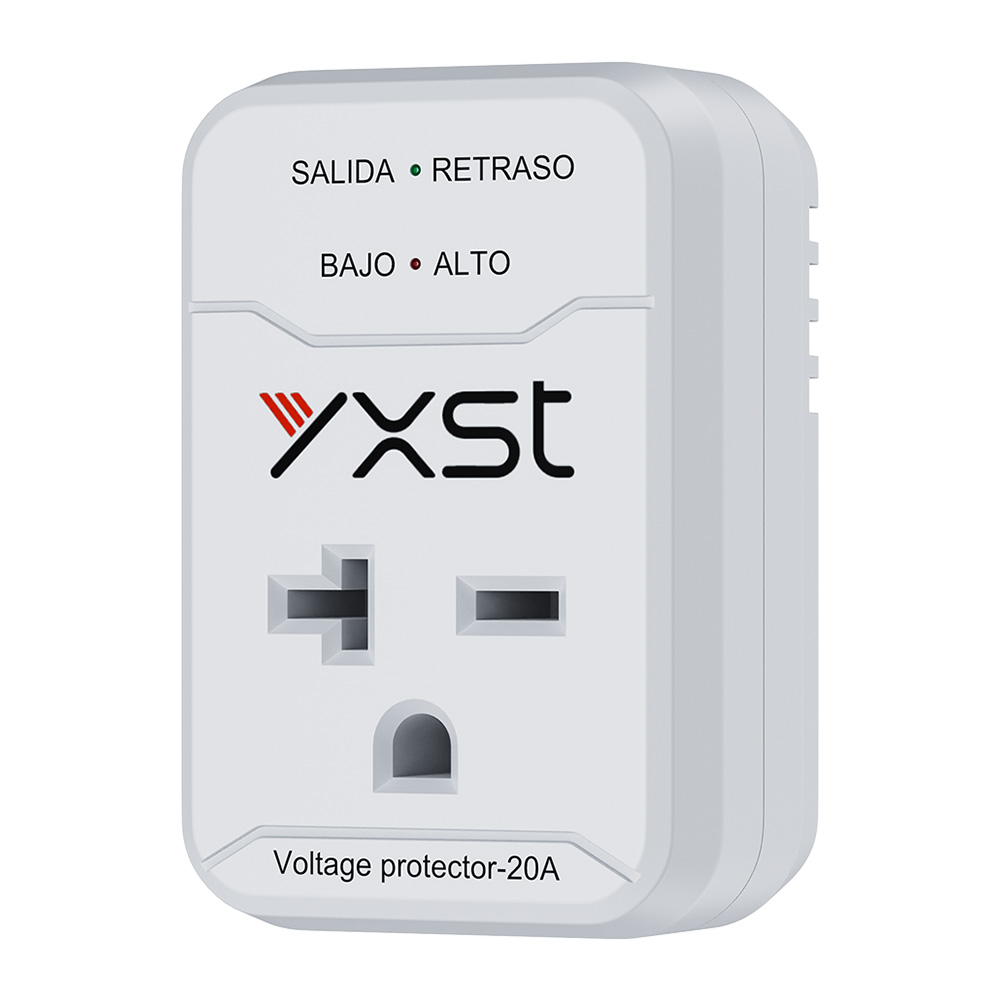
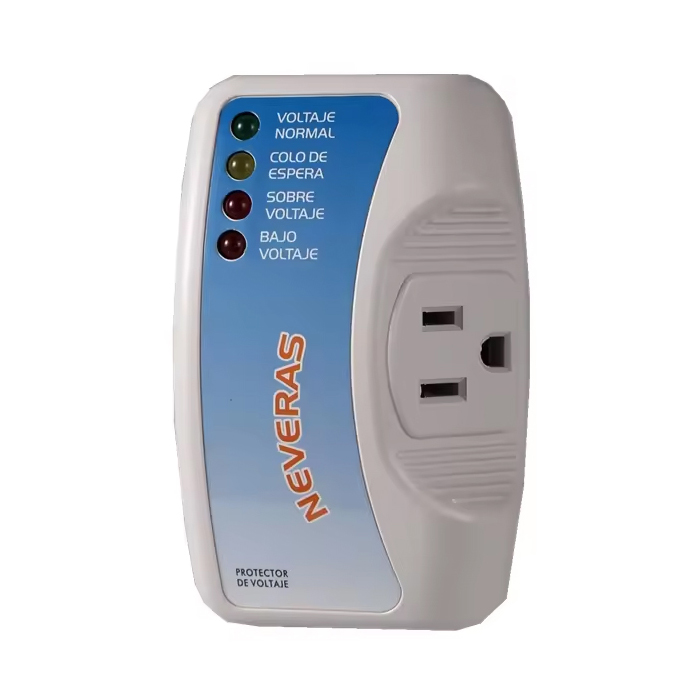
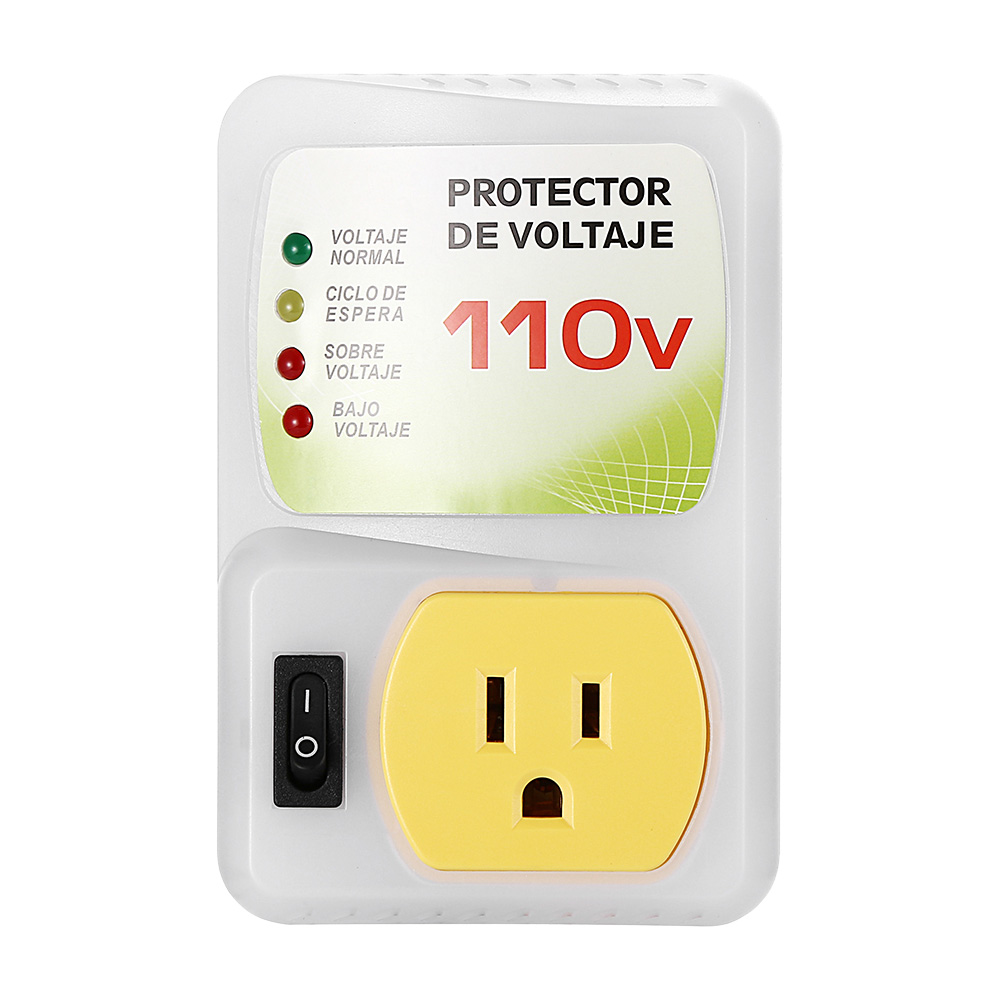
How Voltage Protectors Solve the Problem
• Automatically cuts off power
• Prevents appliances from running under harmful conditions
• Reconnects power only after voltage stabilizes
• Uses a delay restart function to protect motors and compressors
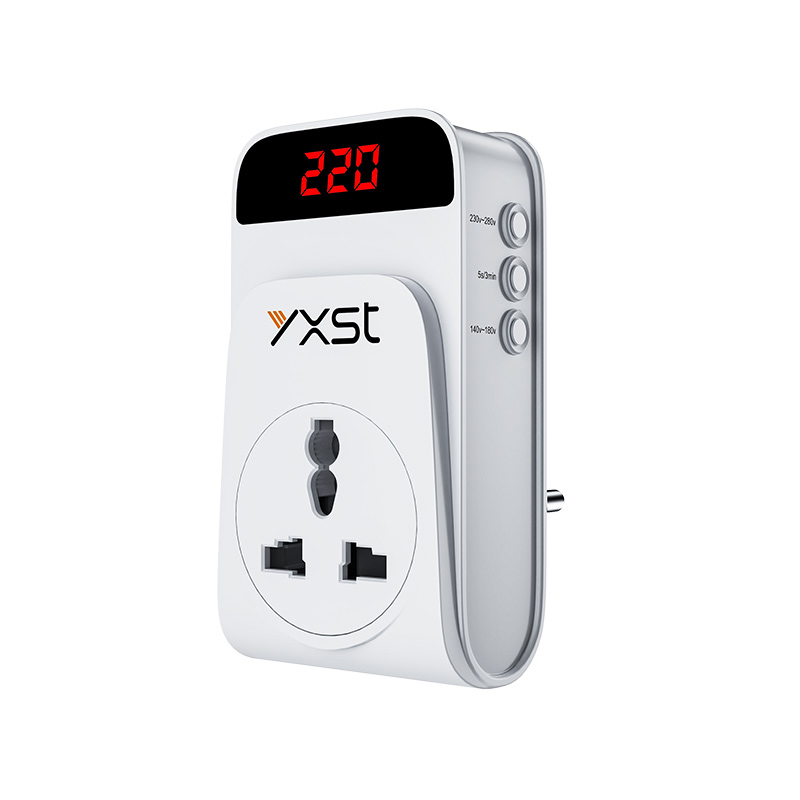
When an Automatic Voltage Regulator (AVR) Is the Better Choice
• Boosts low input voltage to a safe output
• Allows appliances to keep running
• Protects equipment without frequent power cuts
• Homes
• Shops
• Supermarkets
• Small businesses
Product Quality Makes the Real Difference
• Accurate voltage detection
• High-quality relays
• Durable PCBs
• In-house production and 100% testing
• Compliance with CE and ISO standards
A Smart Investment for Users and B2B Buyers
• Fast-moving products
• High-demand solutions
• Effective at reducing after-sales complaints
• Strong tools for building long-term customer trust
Final Summary
 English
  Español
  Deutsch
  Français
  Italiano
  Português